Walking Trails
Munich, Germany
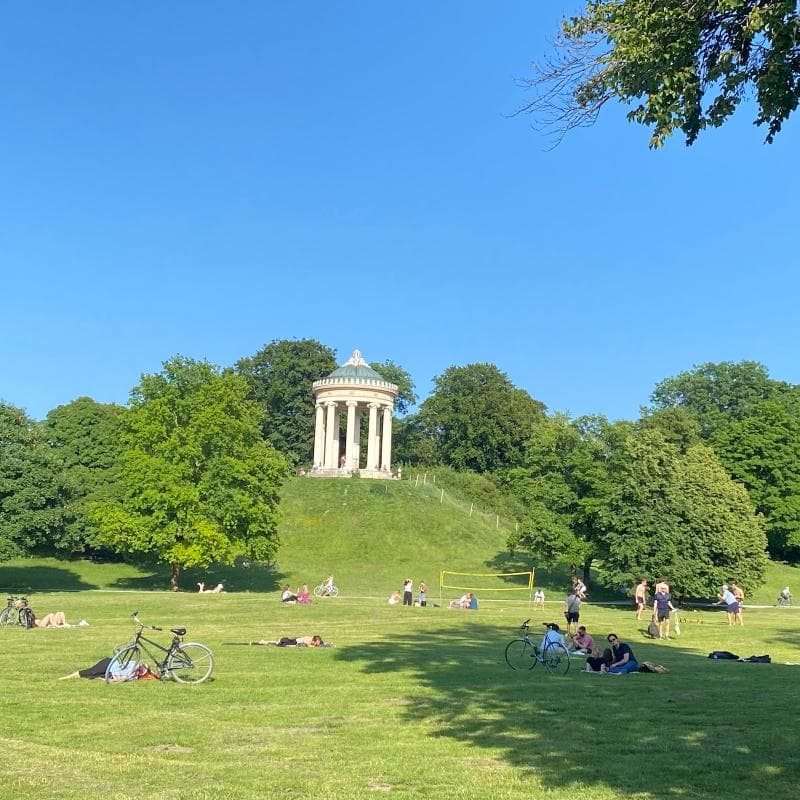
Explore the vast walking trails of the English Garden in Munich, Germany. Discover historical landmarks, serene landscapes, and unique cultural experiences in this iconic urban park.
Overview
The English Garden, or Englischer Garten in German, is a sprawling urban oasis located in the heart of Munich, Germany. As one of the world's largest inner-city parks, it offers an extensive network of walking trails that invite visitors to explore its diverse landscapes. Spanning approximately 375 to 376 hectares and stretching about 5.5 kilometers from the city center to its northeastern limits, the park provides an unparalleled escape into nature within a bustling metropolis. The walking trails weave through open meadows, along tranquil streams, and past significant cultural landmarks, offering a varied experience for every type of wanderer. The southern part of the garden is typically livelier, featuring popular attractions and easily accessible paths, while the northern sections become quieter, with broader meadows and more secluded spots perfect for peaceful contemplation.
History & Cultural Background
The English Garden's story began in 1789, when Elector Karl Theodor decreed the creation of a public park. The idea was significantly inspired by Sir Benjamin Thompson, later known as Imperial Count von Rumford, who envisioned a recreation area accessible to the general public and also serving as military gardens to provide soldiers with agricultural knowledge. Friedrich Ludwig von Sckell, a court gardener, played a decisive role in shaping its design. Unlike the formal, geometrically arranged French Baroque gardens common at the time, the English Garden was laid out in the informal, natural style of an English landscape park. This naturalistic approach, with its rolling hills, meadows, and picturesque lakes, was a revolutionary concept for public parks in Europe, making it one of the oldest public parks in the world.
What Makes It Special
The walking trails of the English Garden are unique because they connect a multitude of distinct experiences within a single park. As you follow the paths, you can encounter iconic landmarks such as the Monopteros, a Greek-style temple perched on a hill offering panoramic views of Munich. The trails also lead to the Chinese Tower, a striking wooden pagoda surrounded by one of Munich's largest and most vibrant beer gardens. Further along, you might discover the serene Japanese Tea House, built for the 1972 Summer Olympics, where traditional tea ceremonies are still performed. The paths crisscross numerous streams, including the famous Eisbach, known for its standing wave where surfers ride year-round. From the tranquil shores of Kleinhesseloher See, where pedal boats glide across the water, to the quiet, expansive meadows of Hirschau in the northern section, the trails offer an ever-changing scenery that delights the senses.
Stories, Fun Facts & Local Details
Beyond its impressive size, which surpasses even New York's Central Park, the English Garden is rich with quirky details and beloved local traditions. The Eisbach Wave, for instance, is a testament to Munich's unique spirit, attracting surfers regardless of the weather and drawing curious spectators to its riverbank. The Chinese Tower beer garden is not just a place to enjoy a cool drink; it is also the venue for the annual Kocherlball, a traditional Bavarian folk dance event held in the early hours of a July Sunday, where thousands gather in historical costumes. For those seeking a truly free-spirited experience, certain areas like the Schönfeldwiese are designated nudist zones, a tradition that gained notoriety in the late 1960s. The park also embraces ecological practices, with herds of sheep sometimes seen grazing in the northern meadows, helping to maintain the natural landscape. These elements combine to give the English Garden a distinct personality, blending nature, culture, and a relaxed, open atmosphere.
Visitor Perspective
Walking the trails of the English Garden is an experience of discovery and rejuvenation. Whether you're seeking a brisk morning jog, a leisurely afternoon stroll, or a full day's exploration, the park's well-maintained paths cater to all paces. The trails are generally flat and accessible, making them suitable for most visitors. For a first-time visitor, starting in the south near the Eisbach Wave and progressing towards the Japanese Tea House, Monopteros, and Chinese Tower offers a compact tour of major sights. Those craving more tranquility can venture further north into the less crowded areas, where the city's sounds fade and nature takes precedence. The absence of admission fees and year-round accessibility make it a continuously inviting destination, providing a refreshing escape where one can connect with nature, witness unique cultural expressions, and simply enjoy the vibrant Munich atmosphere.
Coordinates: 11.5912, 48.1563
View on Google Maps💬 How Travelers Describe This Place
Based on community votes
Interesting
953Beautiful
695Photogenic
658Must See
396Unique
22
Traveler Stories
Discover memorable experiences shared by travelers who have visited this place.
No traveler stories yet.
Be the first traveler to share what made this place memorable.

Tour
By
Spot
Discover amazing places around the world. Your journey starts here.
Explore
© 2026 TourBySpot. All rights reserved.