Walking Paths
Sarajevo, Bosnia and Herzegovina
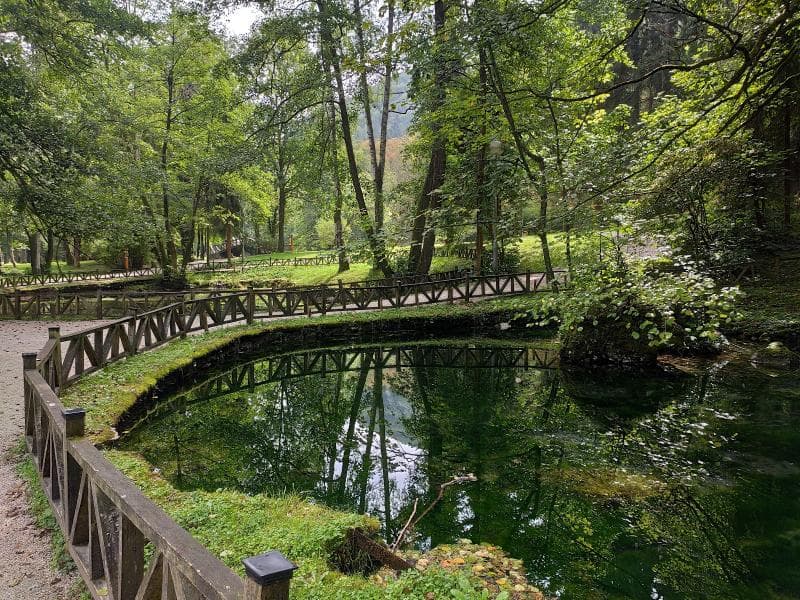
Explore the tranquil Walking Paths of Vrelo Bosne in Sarajevo, Bosnia and Herzegovina. Discover the source of the River Bosna amidst lush nature.
Overview
Nestled at the base of Mount Igman, just outside Sarajevo in Bosnia and Herzegovina, lies Vrelo Bosne, a breathtaking natural monument renowned as the source of the River Bosna. The very name 'Bosna' is believed to originate from the ancient Indo-European word 'bosana', meaning 'water', a fitting tribute to this vital waterway. While the entire Vrelo Bosne area is a cherished natural escape, its network of 'Walking Paths' forms the heart of the visitor experience, inviting exploration through a serene landscape of crystal-clear springs, meandering streams, and lush greenery. These well-maintained paths weave through an expansive park, connecting small islands with charming wooden bridges and offering picturesque views of the nascent river as it begins its 270-kilometer journey. It serves as a beloved retreat for both locals and travelers seeking tranquility away from the urban bustle, offering a unique blend of natural beauty and historical resonance.
History & Cultural Background
The history of Vrelo Bosne is deeply intertwined with the region's past, reflecting various periods of influence. The area around Ilidža, the municipality where Vrelo Bosne is located, boasts archaeological sites dating back to 2400–2000 BC, suggesting a long history of human presence. During the Ottoman period, the thermal springs of Ilidža were recognized for their healing properties, leading to the development of spa facilities. The most prominent historical imprint visible today stems from the Austro-Hungarian era (1878-1918). It was during this time that Vrelo Bosne was formally developed into a landscaped park, reflecting Habsburg urban elegance. The iconic Velika Aleja, or Great Avenue, a 3.5-kilometer tree-lined promenade connecting Ilidža to the springs, was planted with horse chestnuts and plane trees between 1888 and 1892. Along this avenue, luxurious villas were constructed, offering society's elite a refreshing escape. Not far from the springs stands the Roman Bridge, a national monument built during the Ottoman period, notably incorporating stones and ruins from an original Roman bridge, connecting the area to its ancient past. The park was declared a protected natural monument in 1977 and later in 2006, recognizing its immense ecological and cultural value. Tragically, during the Bosnian War, the park suffered neglect, with trees cut for heating. However, it was admirably restored to its former glory in 2000 by local youth and an international ecological organization.
What Makes It Special
The walking paths of Vrelo Bosne are special because they offer an immersive experience into a pristine natural environment where the very source of a major river emerges. The landscape is characterized by its numerous strong karst springs that feed into six distinct sources, eventually merging to form the 'Small Bosna' watercourse, which then becomes the Bosna River. The exceptionally clear, cold water bubbles over white gravel, creating a soothing auditory backdrop to any stroll. This hydrological richness supports a diverse ecosystem, including lush woodlands, vibrant wildflowers, and a variety of bird species, notably swans and ducks that gracefully navigate the tranquil waters. The park's design, with its informal, curving paths laid out in the English landscape style, ensures that new vistas of springs, streams, and waterfalls are constantly revealed. The presence of traditional Austro-Hungarian era buildings, some converted into restaurants and others serving as picturesque ruins, adds a historical charm to the natural beauty. Furthermore, the park's location at the foot of Mount Igman ensures a refreshing microclimate, making it a considerably cooler retreat during hot summer months compared to the city center.
Stories, Fun Facts & Local Details
Vrelo Bosne holds a special place in the hearts of Sarajevans, having been a favorite picnic spot for over a century. One of the most endearing and enduring traditions is the horse-drawn carriage ride, known as 'fijakeri,' along the Velika Aleja. These elegant carriages have been transporting visitors down the tree-lined avenue since 1895, offering a charming, old-world experience that harks back to the park's Austro-Hungarian past. Imagine Franz Ferdinand himself, whose carriage ride to Sarajevo in 1914 was tragically historic, once traveled this very avenue. While not directly linked to his final journey, the tradition of the fijakeri certainly predates it. A local legend suggests the name 'Bosna' itself derives from an ancient Indo-European word for 'water' ('bosana'), underscoring the profound connection of this region to its abundant springs and rivers. The park is not just a pretty face; it's a vital natural resource, providing a significant portion of Sarajevo's drinking water, although visitors are generally advised against drinking directly from the springs due to varying recommendations. For a sweet treat or a moment of repose, several cafes and restaurants are scattered throughout the park, many serving traditional Bosnian coffee and local specialties, including fresh river trout. The sound of bubbling water, the rustling leaves, and the gentle calls of birds combine to create a symphony of nature, a stark and welcome contrast to the urban sounds of the city.
Visitor Perspective
For a curious traveler, the Walking Paths of Vrelo Bosne offer a journey into serene beauty and historical charm. The experience often begins with a leisurely approach along Velika Aleja, whether on foot, by rented bicycle, or atop a traditional horse-drawn carriage. Once inside the main park area, the well-defined paths lead you past the intricate network of springs and streams. You'll find yourself crossing numerous wooden bridges that arch gracefully over the clear waters, perfect for pausing to admire the tranquil scene. Keep an eye out for the resident swans and ducks, often gliding elegantly across the small lakes, adding to the picturesque ambiance. The paths are generally flat and accessible, making them suitable for visitors of all ages and fitness levels. Comfortable walking shoes are a must, allowing for hours of enjoyable exploration. There are plenty of benches and shaded areas, offering ideal spots for a picnic, a moment of reflection, or simply to soak in the refreshing atmosphere. For families, dedicated play areas with mini obstacles and wooden structures are available. The best times to visit are often spring, when wildflowers bloom and cygnets are visible, or autumn, for the spectacular foliage. While there is a small entrance fee to the park, it contributes to its preservation and upkeep, ensuring this natural gem remains protected for future generations.
Coordinates: 18.269447, 43.818867
View on Google Maps💬 How Travelers Describe This Place
Based on community votes
Photogenic
996Unique
494Interesting
193Beautiful
125Must See
82
Traveler Stories
Discover memorable experiences shared by travelers who have visited this place.
No traveler stories yet.
Be the first traveler to share what made this place memorable.

Tour
By
Spot
Discover amazing places around the world. Your journey starts here.
Explore
© 2026 TourBySpot. All rights reserved.