Walking Paths
Dublin, Ireland
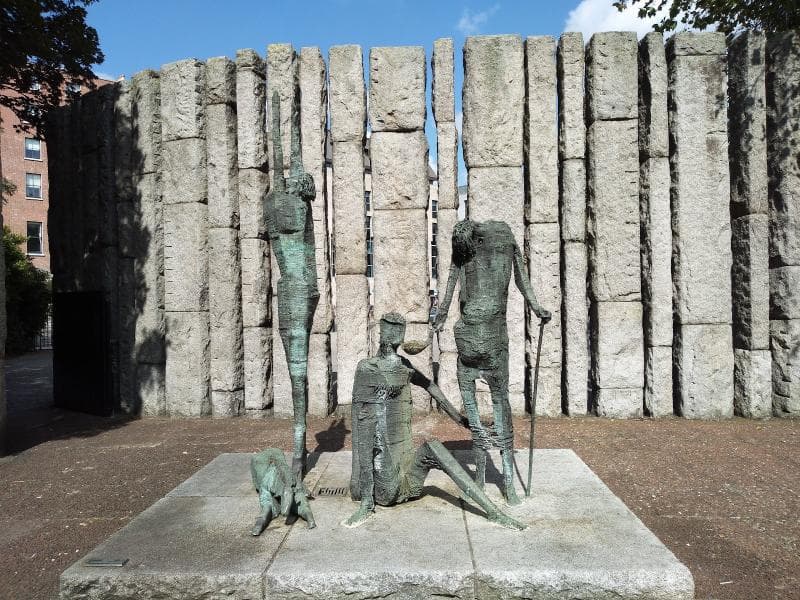
Explore the historic walking paths of St. Stephen's Green in Dublin, Ireland, an urban oasis rich in history and natural beauty.
Overview
The 'Walking Paths' of St. Stephen's Green offer a serene escape in the heart of Dublin, Ireland, guiding visitors through a meticulously maintained Victorian parkland. This beloved green space spans 22 acres (approximately 9 hectares) and features over 3.5 kilometers of accessible pathways, inviting tranquil strolls amidst lush gardens, vibrant flowerbeds, and historical monuments. As you step off the bustling streets of Dublin, the pathways provide an immediate sense of calm, leading you through an urban oasis that has served as a public park since 1880.
These paths weave around a picturesque ornamental lake, home to various waterfowl, and past striking features like a cascading waterfall and intricate Pulham rockwork. Whether you're seeking a quiet moment of reflection, a leisurely stroll, or an immersive historical journey, the walking paths of St. Stephen's Green provide the perfect conduit to explore one of Dublin's most cherished landmarks.
History & Cultural Background
The story of St. Stephen's Green's walking paths is intertwined with Dublin's rich history, reflecting centuries of transformation from a wild common to a refined public park. Originally, the area was a marshy common ground in the 13th century, used for grazing livestock by the citizens of Dublin. In 1664, the City Assembly enclosed a central area, setting the stage for its future as a park.
By the 18th century, specific tree-lined walks emerged, becoming fashionable promenades for Dublin's high society. The 'Beaux Walk' along the northern perimeter, for instance, was a noted scene of elegance and taste. However, these early versions were often private. A significant redesign in 1815 by surveyor Arthur Neville introduced winding pathways and iron fences, yet the park remained largely inaccessible to the general public, leading to widespread resentment.
The current Victorian layout, with its accessible and inviting pathways, came to fruition thanks to Lord Ardilaun (Sir Arthur Guinness). In 1877, he purchased the Green and funded its extensive redesign, subsequently reopening it to the public in 1880. This act transformed the park into the inclusive green space Dubliners and visitors enjoy today. The paths also bear witness to moments of national significance; during the 1916 Easter Rising, rebels dug trenches around the park's perimeter, making it a battleground for Irish independence.
What Makes It Special
The walking paths of St. Stephen's Green are special not just for their scenic beauty but also for the curated experience they offer. They guide you through a living gallery of Irish history and natural splendor. The park's Victorian design is evident in every turn of the path, from the meticulously arranged herbaceous borders that provide vibrant color from spring to autumn, to the grand gates and bridges that span the tranquil lake.
Along these routes, you'll discover a rich collection of sculptures and memorials dedicated to influential Irish figures, including literary giants like James Joyce and W.B. Yeats, and historical leaders such as Countess Markievicz and Theobald Wolfe Tone. A unique feature is the sensory garden for the visually impaired, complete with scented plants and Braille labels, emphasizing the park's commitment to inclusivity. In summer, the paths lead to the Victorian bandstand, where free lunchtime concerts fill the air with music, adding another layer to the park's charm. The paths also showcase the 'Three Fates' fountain, a poignant gift from Germany, symbolizing gratitude and shared destiny.
Stories, Fun Facts & Local Details
As you traverse the paths, imagine the many stories etched into this landscape. A poignant tale from the 1916 Easter Rising recounts a remarkable, albeit temporary, ceasefire. During the intense fighting, both British forces and Irish rebels agreed to pause hostilities daily, allowing the park's dedicated groundskeeper to feed the resident ducks. Bullet holes from this pivotal event can still be seen on the Fusilier's Arch, a memorial at the Grafton Street entrance, which commemorates Irish soldiers from the Boer War.
Long before it became a peaceful sanctuary, the Green was a less genteel place, serving as a site for cattle grazing and even witch burnings, reflecting a darker, wilder past. Lord Ardilaun, whose statue you can find within the park, was a member of the famous Guinness family. His generous act of purchasing and redesigning the park for public enjoyment cemented his legacy as a true benefactor of Dublin.
Visitor Perspective
For many, the walking paths of St. Stephen's Green are more than just routes; they are an invitation to slow down and savor Dublin's vibrant yet peaceful side. Tourists, locals, office workers on lunch breaks, and students alike flock to the park for its tranquil atmosphere and refreshing green space. The pathways are perfect for a leisurely stroll, a quiet read on a bench, or simply observing the diverse community that gathers here.
The accessibility of the paths ensures that everyone can enjoy the park's beauty, whether pushing a pram, using a wheelchair, or simply seeking an easy walk. Many visitors find themselves captivated by the wildlife on the lake, the meticulous gardening, and the quiet dignity of the historical statues. It's common to see families feeding the ducks, couples enjoying a quiet moment, or individuals finding a peaceful spot for reflection. The paths connect you not only to different parts of the park but also to the soul of Dublin, making a walk through St. Stephen's Green an essential part of any visit to the city.
Coordinates: -6.259119, 53.3381736
View on Google Maps💬 How Travelers Describe This Place
Based on community votes
Photogenic
931Unique
692Interesting
491Beautiful
261Must See
49
Traveler Stories
Discover memorable experiences shared by travelers who have visited this place.
No traveler stories yet.
Be the first traveler to share what made this place memorable.

Tour
By
Spot
Discover amazing places around the world. Your journey starts here.
Explore
© 2026 TourBySpot. All rights reserved.