Walking Paths
Minsk, Belarus
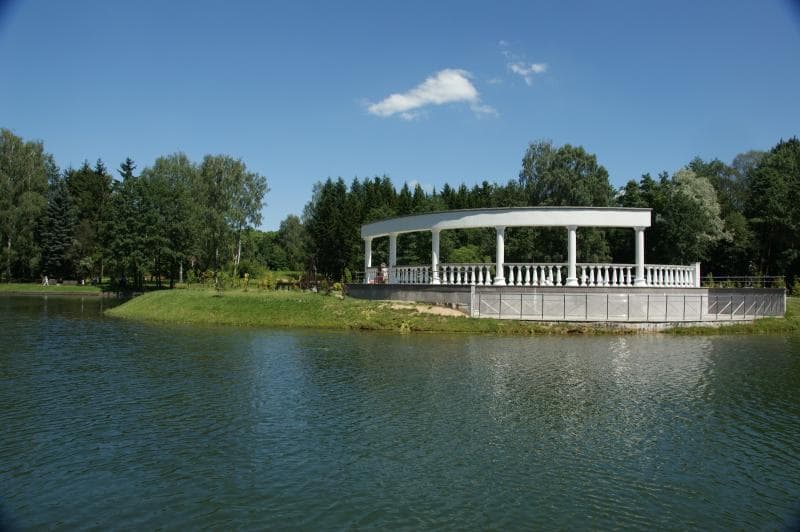
Explore the serene walking paths of Minsk Botanical Garden in Minsk, Belarus, discovering diverse plant collections and historical significance.
Overview
Nestled within the vibrant city of Minsk, Belarus, the Central Botanical Garden of the National Academy of Sciences stands as a verdant sanctuary, renowned as one of Europe's largest botanical gardens. Spanning an impressive area of approximately 100 to 144.7 hectares, this 'green museum' offers a breathtaking escape into the world of flora, featuring an extraordinary collection of over 10,000 to 12,000 plant species, forms, and varieties from across the globe. Among its many treasures, the network of walking paths forms the very heart of the garden, guiding visitors through meticulously curated landscapes and diverse thematic zones. These paths are not merely conduits from one exhibit to another; they are an integral part of the experience, inviting leisurely strolls and deep contemplation amidst nature's artistry.
The walking paths wind through extensive dendrological collections, fragrant rose gardens, vibrant lilac displays, tranquil Japanese gardens, and specialized sections dedicated to medicinal and aromatic plants. Each pathway offers a unique perspective, allowing travelers to immerse themselves in distinct botanical ecosystems, from the native flora of Belarus to exotic species from the Far East, North America, and the Caucasus. Whether seeking an invigorating walk or a peaceful moment of reflection, the walking paths of Minsk Botanical Garden promise a journey of discovery for every curious traveler.
History & Cultural Background
The history of the Central Botanical Garden of the National Academy of Sciences of Belarus is deeply intertwined with the nation's own narrative, officially commencing on April 17, 1932. It was established on the grounds of a former agricultural exhibition, with a vision to create a premier botanical institution. Early years focused on establishing collection plots and gathering specimens from various regions. Tragically, the Great Patriotic War inflicted significant damage, destroying much of its nascent collections. However, with unwavering spirit, extensive restoration efforts began immediately after Minsk's liberation in 1944, symbolizing resilience and rebirth.
In the post-war decades, the garden flourished, with key scientific laboratories, greenhouse complexes, and pavilions being constructed. A significant milestone occurred in 1999 when the garden was officially recognized as a scientific object of national heritage by the Belarusian government. Its layout, influenced by the canons of a French formal park, features a central parterre from which picturesque alleys gracefully radiate. This design not only enhances its aesthetic appeal but also reflects a rich tradition of landscape architecture, solidifying its status as a natural monument of national importance and historical and cultural value.
What Makes It Special
The 'Walking Paths' in Minsk Botanical Garden are special because they offer more than just a route; they provide a sensory journey through a living botanical encyclopedia. Unlike typical urban parks, these paths are thoughtfully integrated into the garden's scientific and artistic design, guiding visitors through meticulously arranged thematic zones. Imagine strolling down an alley dedicated entirely to various species of maple, linden, or oak, each offering distinct textures, colors, and fragrances through the seasons.
Beyond the open-air collections, the paths lead to remarkable indoor exhibits, including an exhibition greenhouse housing over 600 species of tropical and subtropical plants, and a unique citrus greenhouse displaying nearly 100 varieties of lemons, oranges, and grapefruits – an unparalleled collection in Belarus. This seamless blend of outdoor landscapes and climate-controlled biomes accessible via the walking paths ensures a captivating experience year-round, making it a vital center for biodiversity preservation and scientific research, as well as a cherished recreational space.
Stories, Fun Facts & Local Details
One of the most poignant stories embedded within the walking paths of the Minsk Botanical Garden dates back to the end of World War II. On May 9, 1945, in a powerful act of commemoration and hope, front-line soldiers who participated in the liberation of Minsk planted a spruce alley. This 'Spruce Alley' stands as a living monument, a testament to the Great Victory and the enduring human spirit.
Locals affectionately refer to the garden as a 'green heart' of Minsk, recognizing its role as a vital lung for the city and a beloved spot for relaxation and quiet contemplation. It's a place where childhood memories are made, with many school excursions and student visits fostering a connection to nature. The garden also hosts seasonal festivals and events, such as celebrations during the lilac and tulip tree blooming seasons, drawing crowds to witness spectacular floral displays that transform the paths into vibrant tapestries of color and scent. These paths truly come alive in spring and summer, bursting with the blooms of lilacs, roses, and peonies, creating a magical atmosphere much appreciated by photographers and nature lovers alike.
Visitor Perspective
For the curious traveler, embarking on the walking paths of the Minsk Botanical Garden offers an immersive experience, a gentle escape from the urban bustle. The paths are well-maintained and generally have minimal elevation changes, making them accessible for most visitors. Navigating the garden is straightforward, with clear pathways leading to distinct thematic areas.
Visitors often describe the experience as walking through a living gallery, where each turn reveals a new botanical wonder. While the outdoor collections provide seasonal beauty, the greenhouse complexes offer a warm, tropical respite even during colder months, ensuring the garden is a rewarding destination year-round. To make the most of your visit, consider taking advantage of the metro; the garden is conveniently located within a 5-10 minute walk from the 'Chelyuskintsev Park' station. It is important to note that bicycles, scooters, and roller skates are typically not permitted on the paths to preserve the tranquil atmosphere and ensure visitor safety. The best times to experience the vibrant blooms are generally May for lilacs and tulips, and June for roses and peonies, though autumn brings its own charm with colorful foliage.
Coordinates: 27.6043, 53.9168
View on Google Maps💬 How Travelers Describe This Place
Based on community votes
Photogenic
817Beautiful
657Must See
481Unique
299Interesting
19
Traveler Stories
Discover memorable experiences shared by travelers who have visited this place.
No traveler stories yet.
Be the first traveler to share what made this place memorable.

Tour
By
Spot
Discover amazing places around the world. Your journey starts here.
Explore
© 2026 TourBySpot. All rights reserved.