Minsk Botanical Garden
Minsk, Belarus
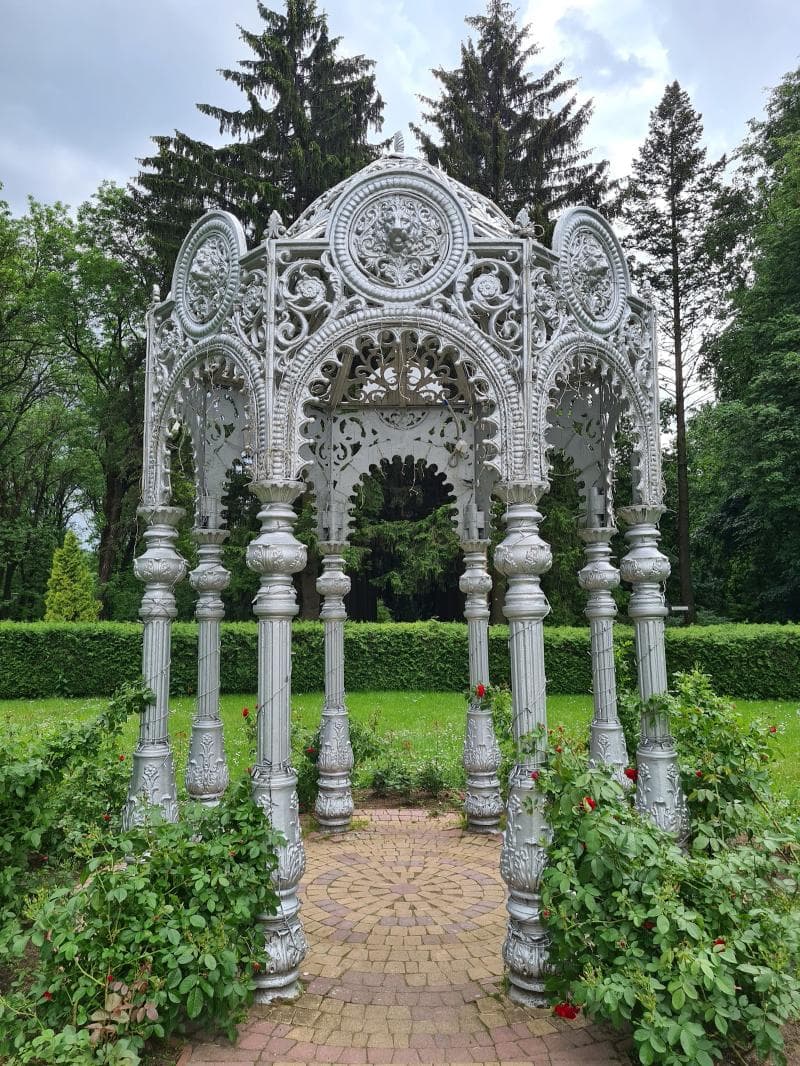
Explore Minsk's Central Botanical Garden, one of Europe's largest with 10,000+ plant species. Discover history, tropical greenhouses, and serene landscapes in Belarus.
Overview
Nestled in the vibrant city of Minsk, Belarus, the Central Botanical Garden of the National Academy of Sciences of Belarus stands as one of Europe's largest and most significant botanical institutions. Spanning an impressive area of approximately 100 to 144.7 hectares, it is far more than just a park; it's a living ‘green museum’ and a crucial center for scientific research, education, and cultural preservation. Recognized as a natural monument of national importance and a historical and cultural value, the garden hosts an astounding collection of over 10,000 to 15,000 plant species, forms, and varieties from across the globe. It offers visitors a unique opportunity to immerse themselves in the rich diversity of the plant kingdom, combining serene natural beauty with vital academic pursuits.
History & Cultural Background
The garden's history began on April 17, 1932, when it was officially founded on the site of a former agricultural exhibition, initially envisioned as the primary botanical institution of the Belarusian SSR. Its early years focused on establishing collection plots and gathering plant specimens from various regions. However, this burgeoning green space faced immense challenges during World War II, which unfortunately led to the destruction of many of its nascent collections. The post-war era brought a period of extensive reconstruction and development, particularly between the 1950s and 1970s. During this time, critical scientific laboratories, greenhouse complexes, and foundational collections like the dendrological section and the rose garden were laid out. A significant modernization campaign was initiated in 1999 following a visit by then-President Alexander Lukashenka, largely completed by 2010, further enhancing its facilities and expanding its role as a leading scientific and cultural hub.
What Makes It Special
What truly sets the Minsk Botanical Garden apart is its extraordinary botanical diversity and specialized collections. It boasts a vast array of flora, systematically arranged according to botanical and geographical principles, featuring plants from the Far East, East Asia, North America, Europe, Siberia, Crimea, the Caucasus, Central Asia, and, of course, native Belarusian species. A major highlight is the magnificent exhibition greenhouse, opened in 2007, which houses over 500 to 600 species of tropical and subtropical plants. Stepping inside feels akin to wandering through a tropical rainforest, complete with exotic fruit trees and vibrant foliage. Another unique feature is the lemon greenhouse, the only one of its kind in Belarus, showcasing an impressive collection of citrus fruits including 25 varieties of lemons, 5 mandarins, 4 grapefruits, and 3 oranges. Beyond these, visitors can explore a dendrological collection, a picturesque rose garden with hundreds of varieties, and a nationally recognized lilac collection featuring over 200 varieties, many developed by Belarusian breeders, including the notable 'Minsk Beauty.' The garden's ongoing commitment to scientific research, including the preservation of rare and endangered species and the development of new plant varieties, solidifies its position as a vital ecological and genetic resource.
Stories, Fun Facts & Local Details
The land on which the garden flourishes has a rich past, once part of the ancient Komarovsky forest and previously belonging to the historic Slepyanka estate, which was owned by the Radziwills until the 18th century. While it was considered an outskirt when established, today it sits as a green oasis remarkably close to the city center. The garden is a beloved spot for Minsk residents, particularly popular with schoolchildren and students for educational outings, and increasingly a draw for international tourists. Interestingly, visitors from countries like Syria and the UAE show particular fascination, perhaps due to the challenges of cultivating such diverse plant life in their own arid climates. Inside the tropical greenhouse, a cozy cafe offers a perfect spot to relax with herbal teas amidst lush greenery. Even in the colder months, when the outdoor landscape might be blanketed in snow, the tropical greenhouse remains a vibrant spectacle, with many exotic plants in full bloom, offering a warm escape. The garden also hosts seasonal events, such as special dahlia collection tours, where guests can learn directly from curators about the plants and their cultivation, adding a layer of interactive engagement.
Visitor Perspective
For a curious traveler, the Minsk Botanical Garden offers a tranquil and enriching experience. It's an ideal destination for leisurely strolls and educational exploration, providing a peaceful retreat from urban life. Access is convenient, with a main entrance near Kalinina Square (close to Park Chelyuskintsev metro station) and a service entrance at 2V Surganova St. (near Akademiya Nauk metro station), both just a short five-minute walk from metro stops. Most visitors find that two to three hours allow for a comfortable walk through the main collections and picturesque areas. To witness the garden in its full glory, consider visiting in May for lilacs and tulips, June for roses and peonies, or August and October for dahlias and chrysanthemums. Weekdays are generally less crowded, providing a more serene experience, especially during peak blooming seasons. It's important to note that for the preservation of its delicate ecosystem and visitor safety, bicycles, scooters, roller skates, skateboards, and pets are not permitted on the grounds. Photography is generally allowed and free, encouraging visitors to capture the breathtaking beauty of this 'green heart' of Belarus.
Coordinates: 27.604267884655762, 53.91679918692229
View on Google Maps💬 How Travelers Describe This Place
Based on community votes
Photogenic
817Beautiful
657Must See
481Unique
299Interesting
19
Traveler Stories
Discover memorable experiences shared by travelers who have visited this place.
No traveler stories yet.
Be the first traveler to share what made this place memorable.
Things to see at Minsk Botanical Garden



Tour
By
Spot
Discover amazing places around the world. Your journey starts here.
Explore
© 2026 TourBySpot. All rights reserved.