Visitor Rooms
Oslo, Norway
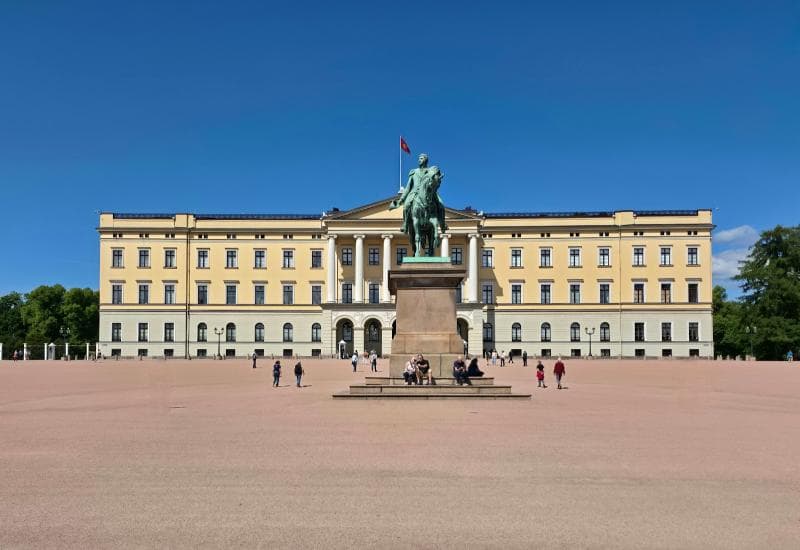
Explore the majestic Visitor Rooms of The Royal Palace in Oslo, Norway. Discover historical state rooms, unique architecture, and royal traditions.
Overview
The Royal Palace in Oslo, Norway, stands majestically at the end of Karl Johans gate, serving as the official residence and primary workplace for the Norwegian monarch. While the entire palace embodies royal history, a select number of its magnificent 'Visitor Rooms' are opened to the public during the summer months, offering a rare glimpse into the heart of Norwegian royalty and governance. These state rooms, integral to official functions and daily royal life, provide a rich narrative of the nation's heritage and its enduring monarchy. Guided tours lead curious travelers through these historically significant interiors, revealing artistic treasures and architectural grandeur that are usually reserved for heads of state and dignitaries.
History & Cultural Background
Construction of The Royal Palace commenced in 1825, with King Carl Johan laying the foundation stone, though he would never reside in it himself, as it was only completed in 1849, after his death. Danish-born architect Hans Ditlev Franciscus Linstow was commissioned to design this neoclassical masterpiece. Initially conceived with an 'H' shape, financial constraints led to a simplified 'U' design. The palace became a permanent royal residence in 1905 when King Haakon VII and Queen Maud moved in, necessitating significant refurbishments to adapt it as a full-time home. The rooms within showcase a blend of styles, from Pompeian murals in dining halls to national romanticism in the Bird Room, reflecting the architectural and artistic trends prevalent during the 25 years of its construction and subsequent adaptations.
What Makes It Special
The 'Visitor Rooms' are special because they are not merely static museum pieces but actively used spaces central to the Norwegian monarchy's operations. Each room has a distinct character and purpose. For instance, the Council Chamber is where His Majesty the King presides over weekly meetings with the government, a constitutional obligation dating back to 1905. The Grand Ballroom, a highlight of the tour, is the largest room in the palace and hosts state dinners, capable of seating up to 220 guests for gala occasions. The painted ceiling and portraits of Norwegian monarchs adorn this impressive space. Another unique room is the Bird Room, renowned for its distinctive decoration. It serves as an antechamber for those awaiting an audience with the King and Queen and provides the illusion of an open garden pavilion. The walls are adorned with paintings of famous Norwegian landscapes, and a total of 39 birds and six butterflies are depicted, including a white-tailed eagle on the ceiling.
Stories, Fun Facts & Local Details
The Bird Room's unique design was conceived by architect Linstow, who intended it to provide pleasure and speak to 'all kinds of people' while they waited, creating an impression of being in a natural, open setting. The specially designed oak furniture in the Neo-Renaissance style, upholstered in green plush, dates back to 1846, adding to the room's historical authenticity. The Royal Palace also houses the Bernadotte Salon, named after the ruling dynasty, and the King Haakon VII Suite, honoring the first monarch to permanently reside in the palace. These rooms, though grand, contribute to the palace's identity as a 'lived-in' residence, rather than just a historical monument. It's a place where tradition meets the contemporary demands of a working monarchy.
Visitor Perspective
Visiting the Royal Palace's 'Visitor Rooms' is an intimate journey into the history and present-day life of the Norwegian Royal Family. Access is exclusively through guided tours offered during a limited summer season, typically from late June to mid-August. These one-hour tours cover some of the most significant state rooms, including the Cabinet Cloakroom, Council Chamber, White Parlour, Bird Room, Mirror Hall, and the Banqueting Hall. The guides provide in-depth explanations of the rooms' history, their use, and the artwork and furnishings they contain, making the experience both educational and engaging. While photography is generally not permitted inside, the vivid descriptions and the sheer grandeur of the interiors leave a lasting impression. It's an opportunity to connect with Norway's royal heritage and appreciate the cultural significance of this important national landmark.
Coordinates: 10.7275667, 59.9169111
View on Google Maps💬 How Travelers Describe This Place
Based on community votes
Unique
951Must See
748Interesting
491Beautiful
427Photogenic
414
Traveler Stories
Discover memorable experiences shared by travelers who have visited this place.
No traveler stories yet.
Be the first traveler to share what made this place memorable.

Tour
By
Spot
Discover amazing places around the world. Your journey starts here.
Explore
© 2026 TourBySpot. All rights reserved.