Visitor Center
Budapest, Hungary
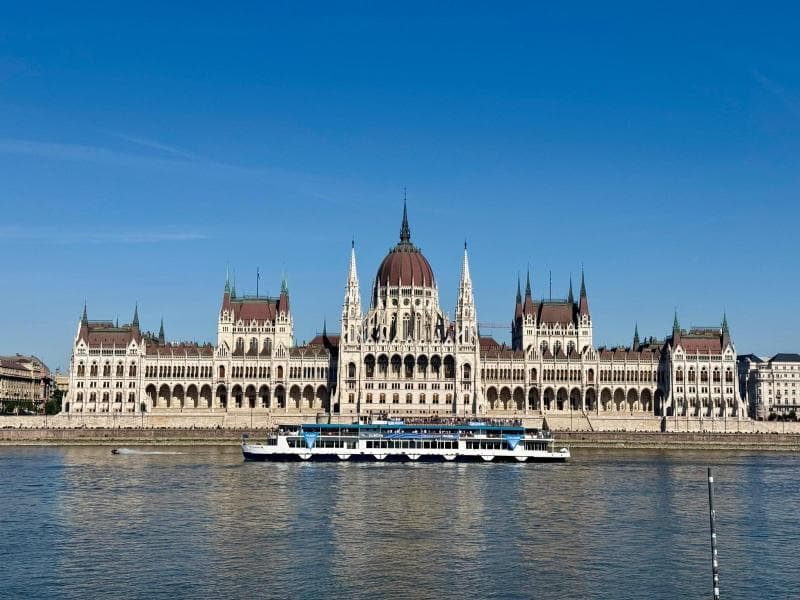
Explore the Hungarian Parliament Building Visitor Center in Budapest, Hungary. Discover history, cultural significance, and practical visitor information.
Overview
Nestled on the Pest bank of the Danube River, the Hungarian Parliament Building in Budapest is an undeniable symbol of the nation's rich history and architectural prowess. The 'Visitor Center' serves as the primary gateway for those eager to delve into this majestic structure. Located discreetly underground on the northern part of Kossuth Square, it is the starting point for all guided tours, offering a welcoming space where guests can prepare for their journey through one of Europe's most significant legislative buildings. Here, visitors can purchase tickets, access information, and begin their immersive exploration of the Parliament's ornate interiors, including the awe-inspiring Dome Hall where the Hungarian Holy Crown is displayed, and the magnificent Grand Staircase.
The Visitor Center itself is designed to facilitate a smooth experience, equipped with public lavatories, and a small cafe and gift shop. It ensures that all visitors, including those with disabilities, have accessible entry, providing lifts, ramps, and even wheelchairs upon request. Tours are the only way to explore the interior, highlighting the importance of this central facility as the initial point of contact for all who wish to witness the historical and cultural treasures within.
History & Cultural Background
The Hungarian Parliament Building, or 'Országház', is a powerful testament to Hungary's aspiration for national identity and sovereignty following the Austro-Hungarian Compromise of 1867. Construction began in 1885 and spanned nearly two decades, finally completing in 1904. Designed by Hungarian architect Imre Steindl, the building masterfully blends Neo-Gothic elements, reminiscent of London's Palace of Westminster, with Renaissance and Baroque influences. Tragically, Steindl became blind before his grand vision was fully realized.
Its monumental scale was intended to reflect the nation's resurgence and confidence. The central dome famously reaches a height of 96 meters, a symbolic allusion to the year 896 AD, marking the millennium of the Magyars' settlement in the Carpathian Basin and the establishment of the Hungarian state. This architectural marvel not only serves as the seat of the National Assembly of Hungary but also embodies a rich tapestry of Hungarian history and artistic heritage, showcasing the country's commitment to democratic governance.
What Makes It Special
Beyond its striking exterior, the Hungarian Parliament Building is a marvel of craftsmanship and symbolic design. It stands as one of the largest parliamentary buildings in the world, boasting an astonishing 691 rooms, 10 courtyards, 29 staircases, and 13 elevators. The construction itself was an immense undertaking, utilizing over 40 million bricks, half a million precious stones, and 40 kilograms of gold. The building's interior is adorned with opulent decorations, including intricate frescoes, stained glass windows by Miksa Róth, and numerous statues of Hungarian rulers and historical figures.
A highlight for many visitors is the revered Holy Crown of Hungary, displayed prominently in the central Dome Hall. This national treasure, accompanied by the royal scepter, orb, and sword, is not just a ceremonial object but a profound symbol of Hungarian sovereignty and history. The grand interior spaces, including the ceremonial halls and the active session chamber, offer a rare glimpse into the heart of Hungarian political life and artistic achievement.
Stories, Fun Facts & Local Details
The Hungarian Parliament Building is steeped in fascinating stories and intriguing details. For instance, the renowned architect Imre Steindl, despite his monumental achievement, never saw the completed edifice due to his blindness before its inauguration. During its construction, it is estimated that around 100,000 people were involved in bringing this grand vision to life, a testament to the nation's collective effort.
A notable historical anecdote involves the period of Communist rule, when a red star was controversially placed atop the dome, only to be removed in 1990 with the return to democracy. The building's magnificent reflection on the Danube River at sunset, when it is beautifully illuminated, is a sight often captured in photographs and is considered one of Central Europe's most iconic views. The extensive use of Hungarian materials in its construction further emphasizes its role as a monument to national pride. Inside, over 150 statues depict Hungarian natural fauna, adding another layer of intricate detail to its already rich design.
Visitor Perspective
Visitors approaching the Hungarian Parliament Building will find the Visitor Center located underground on the northern part of Kossuth Square, which serves as the exclusive entry point for guided tours. These tours are approximately 45 minutes long and are available with professional guides or audio guides in a wide array of languages, ensuring an enriching experience for international travelers. Due to the Parliament's active role as a legislative body, visits can occasionally be cancelled due to parliamentary or state events, so checking the official website and booking tickets in advance is highly recommended, especially during peak season, as English-language slots tend to sell out quickly.
Security checks are mandatory prior to entry, and visitors are advised to dress appropriately to maintain the dignity of the House. The Visitor Center is fully accessible for those with reduced mobility, reflecting an inclusive approach to welcoming all guests to this architectural and historical landmark. This ensures that everyone has the opportunity to witness the grandeur of the Hungarian Parliament and the historical treasures it houses.
Coordinates: 19.04567, 47.50708
View on Google Maps💬 How Travelers Describe This Place
Based on community votes
Interesting
551Unique
547Beautiful
336Photogenic
298Must See
219
Traveler Stories
Discover memorable experiences shared by travelers who have visited this place.
No traveler stories yet.
Be the first traveler to share what made this place memorable.

Tour
By
Spot
Discover amazing places around the world. Your journey starts here.
Explore
© 2026 TourBySpot. All rights reserved.