Visitor Center
Sofia, Bulgaria
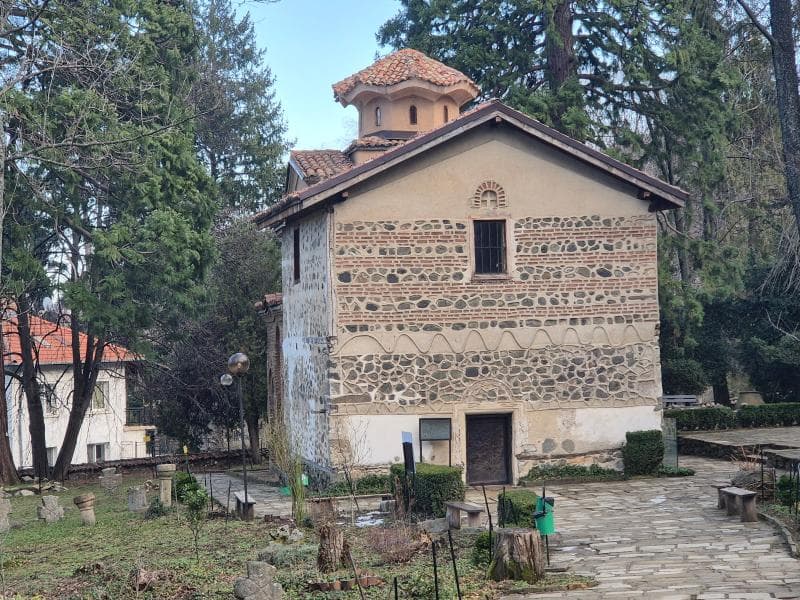
Explore the Boyana Church Visitor Center in Sofia, Bulgaria, a UNESCO site revealing medieval frescoes and rich history. Discover the art, culture, and stories behind this unique landmark.
Overview
Nestled at the foot of Vitosha Mountain, on the serene outskirts of Sofia, Bulgaria, stands the Boyana Church, a UNESCO World Heritage site of profound cultural and historical significance. Renowned globally for its exceptionally preserved medieval frescoes, this ancient Orthodox church draws visitors eager to delve into Bulgaria's rich artistic past. Given the delicate nature of these invaluable artworks, access to the church itself is carefully managed and brief. This is where the Boyana Church Visitor Center, sometimes referred to as the Boyana Church Museum, becomes an indispensable part of the journey. Functioning as a vital interpretive hub, the Visitor Center offers comprehensive insights into the church's layered history, artistic masterpieces, and the meticulous conservation efforts that protect them. It serves as the essential prelude and complement to the awe-inspiring experience of viewing the frescoes within the church walls.
History & Cultural Background
The Boyana Church is not a singular structure but an architectural ensemble developed in three distinct stages, spanning from the late 10th to the mid-19th century. The earliest section, dating back to the late 10th or early 11th century, set the foundation for what would become an artistic marvel. The most significant addition occurred in the mid-13th century, commissioned by Sebastocrator Kaloyan and his wife Desislava, which brought forth the breathtaking frescoes that grant the church its world fame. A final expansion in the mid-19th century completed the complex as it stands today. Managed as a branch of the National History Museum, the Visitor Center meticulously chronicles these architectural evolutions and the broader historical context of Bulgaria during these periods. It illuminates the political and religious currents that shaped the church, presenting a narrative that transports visitors through centuries of Bulgarian history and artistic endeavor.
What Makes It Special
The true heart of the Boyana Church's appeal lies within its extraordinary frescoes, particularly those from 1259. These masterpieces are celebrated for their unparalleled realism, psychological depth, and vibrant colors, often cited as precursors to the Italian Renaissance art by several decades, predating even the birth of Giotto. With over 240 figures depicted across 89 scenes, these wall paintings offer a unique window into medieval Bulgarian life, religious beliefs, and artistic innovation. However, to preserve these fragile treasures, entry into the church is highly regulated, typically limited to small groups of 8-9 people for a maximum of ten minutes. The Visitor Center steps in to bridge this gap, offering detailed exhibitions, replicas, and interpretive materials that allow visitors to absorb the intricacies of the frescoes without impacting their preservation. It's here that one can truly appreciate the artistic techniques and iconographic programs that make the Boyana Church a pivotal landmark in European medieval art history.
Stories, Fun Facts & Local Details
Beyond the grand narratives, the Boyana Church holds many fascinating stories. Among its most celebrated images are the donor portraits of Sebastocrator Kaloyan and his wife Desislava, depicted with striking individuality, and the royal figures of Tsar Constantine Asen Tikh and Tsaritsa Irina. These portraits are considered some of the oldest preserved images of historical figures in Bulgaria. The anonymous artists responsible for the 1259 frescoes, often collectively referred to as the 'Boyana Master,' displayed an innovative approach that profoundly influenced the Turnovo School of Painting. The area surrounding the church also tells a tale; the picturesque park with its giant sequoias was initiated by Tsaritsa Eleonora in the early 20th century, adding another layer of historical intrigue to the site. The Visitor Center is the place where these personal stories and artistic details are brought to life, offering a deeper connection to the people and events that shaped this remarkable monument.
Visitor Perspective
For any traveler to the Boyana Church, the Visitor Center is an essential starting point. Due to the strict preservation measures, which limit direct viewing time inside the church, the Visitor Center serves as the primary gateway to fully understanding and appreciating the site. It provides context, visual aids, and detailed explanations that enhance the brief encounter with the original frescoes. Visitors can prepare themselves by learning about the church's architectural phases, the lives of the saints depicted, and the revolutionary artistic style before entering the sacred space. After the short but intense experience inside the church, the Visitor Center offers an opportunity for reflection and further exploration, solidifying the emotional and intellectual impact of this extraordinary UNESCO site. Tickets for entry to the church are typically purchased at the Visitor Center, which also offers information materials and often hosts additional exhibits.
Coordinates: 23.2662, 42.6447
View on Google Maps💬 How Travelers Describe This Place
Based on community votes
Beautiful
958Must See
794Interesting
565Unique
157Photogenic
28
Traveler Stories
Discover memorable experiences shared by travelers who have visited this place.
No traveler stories yet.
Be the first traveler to share what made this place memorable.

Tour
By
Spot
Discover amazing places around the world. Your journey starts here.
Explore
© 2026 TourBySpot. All rights reserved.