VIP Gallery
Jakarta, Indonesia
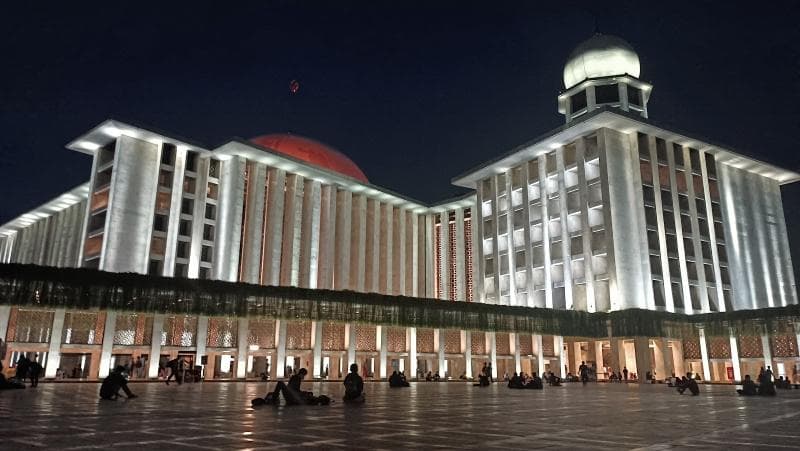
Explore the VIP Gallery within Jakarta's Istiqlal Mosque, Southeast Asia's largest mosque, a symbol of independence and religious harmony in Indonesia.
Overview
The Istiqlal Mosque in Jakarta, Indonesia, stands as a monumental symbol of national independence and religious harmony. Named 'Istiqlal', meaning 'independence' in Arabic, it is the largest mosque in Southeast Asia, capable of accommodating hundreds of thousands of worshippers. This architectural marvel not only serves as a central place of worship but also as a significant cultural and national landmark. Within its grand structure, dedicated areas cater to distinguished guests, reflecting its importance on the global stage. These spaces, sometimes referred to as 'VIP areas' or 'VIP rooms', are designed to host state leaders, religious dignitaries, and other notable visitors during important ceremonies and events.
Situated strategically across from the Jakarta Cathedral, the mosque embodies Indonesia's commitment to religious tolerance, a philosophy deeply ingrained in the nation's Pancasila principles. Its vastness and modernist design draw visitors from all walks of life, eager to experience its serene atmosphere and impressive scale. The presence of a dedicated VIP Gallery or area underscores the mosque's role not just as a spiritual center for millions, but also as a venue for high-profile national and international gatherings, facilitating diplomacy and interfaith dialogue.
History & Cultural Background
The genesis of Istiqlal Mosque is deeply intertwined with Indonesia's struggle for independence. Conceived shortly after the nation declared its freedom in 1945, the mosque was envisioned as a grand expression of gratitude and a lasting symbol for Indonesian Muslims. President Sukarno, Indonesia's first president, was a driving force behind its construction, laying the foundation stone on August 24, 1961. Remarkably, the winning design came from a Christian architect, Friedrich Silaban, a powerful testament to Indonesia's pluralistic spirit even in its foundational projects.
The construction spanned 17 years, finally being inaugurated in 1978. Silaban's design is rich with symbolism: the seven entrances represent the seven decades of Indonesia's independence struggle, the 45-meter diameter main dome symbolizes the year of Indonesia's independence (1945), and the twelve pillars supporting it signify the birth of Prophet Muhammad on the 12th of Rabi' al-Awwal. This profound blend of national history and Islamic faith makes the mosque a powerful emblem. Its renovation, completed in 2020, included significant upgrades, ensuring its continued grandeur and functionality for future generations, including the modernization of its VIP facilities to meet contemporary standards for visiting dignitaries.
What Makes It Special
Beyond its sheer size, Istiqlal Mosque is special for several reasons. It is renowned for its minimalist modern architecture, utilizing marble, stainless steel, and aluminum to create an impression of understated grandeur. The mosque's single, towering minaret, 96 meters high, symbolizes the divine oneness of God and subtly incorporates references to the 99 names of Allah and the number of verses in the Quran.
Perhaps its most compelling feature is its symbolic location directly opposite the Jakarta Cathedral. This deliberate placement signifies the nation's philosophy of religious harmony and tolerance, often cited as a global example of peaceful coexistence between different faiths. The mosque frequently hosts interfaith dialogues and events, reinforcing its role as a bridge between communities. The specialized VIP areas within the mosque are a practical necessity for these high-level engagements, providing a private and secure environment for world leaders and religious figures who participate in such vital discussions. These spaces are pivotal in facilitating the mosque's function as a center for international diplomacy and cultural exchange.
Stories, Fun Facts & Local Details
The Istiqlal Mosque holds many interesting stories and details. It boasts a giant, century-old drum (bedug) brought from Garut, West Java, traditionally used to signal prayer times. The mosque's main prayer hall is an immense space that can leave visitors in awe, surrounded by four levels of balconies.
Throughout its history, Istiqlal has welcomed numerous heads of state and prominent figures, including US Presidents and various European leaders, underscoring its international recognition. These visits highlight the importance of facilities like the VIP Gallery, which provide the necessary protocol and comfort for such distinguished guests. During major Islamic festivities like Eid prayers, the mosque transforms into a vibrant hub, accommodating immense crowds. It is during such significant events that the VIP areas provide an exclusive vantage point for special attendees, allowing them to participate in the spiritual and communal aspects of these celebrations while adhering to security and protocol requirements.
Visitor Perspective
Visiting Istiqlal Mosque offers a profoundly enriching experience for travelers. Non-Muslim visitors are warmly welcomed and encouraged to explore the vast complex, typically outside of prayer times. Guided tours are readily available, often led by knowledgeable locals who offer insightful explanations into the mosque's history, architectural philosophy, and its national significance. These guides can often provide fascinating anecdotes and cultural context, making the visit even more meaningful.
While general visitors can access most public areas, the VIP Gallery, or VIP rooms, are designated for official guests, reflecting the mosque's role as a state mosque. Modest dress is essential for all visitors, with covered shoulders and knees. Women are also required to wear headscarves, which are often provided at the entrance. Removing shoes before entering the prayer halls is a sign of respect and cleanliness. The careful design and management, including dedicated spaces for dignitaries, ensure that the mosque remains a sacred place of worship while also serving as a welcoming and educational destination for people from across the globe.
Coordinates: 106.8309, -6.1704
View on Google Maps💬 How Travelers Describe This Place
Based on community votes
Photogenic
457Interesting
252Beautiful
147Must See
114Unique
19
Traveler Stories
Discover memorable experiences shared by travelers who have visited this place.
No traveler stories yet.
Be the first traveler to share what made this place memorable.

Tour
By
Spot
Discover amazing places around the world. Your journey starts here.
Explore
© 2026 TourBySpot. All rights reserved.