Vintage Market
Seoul, South Korea
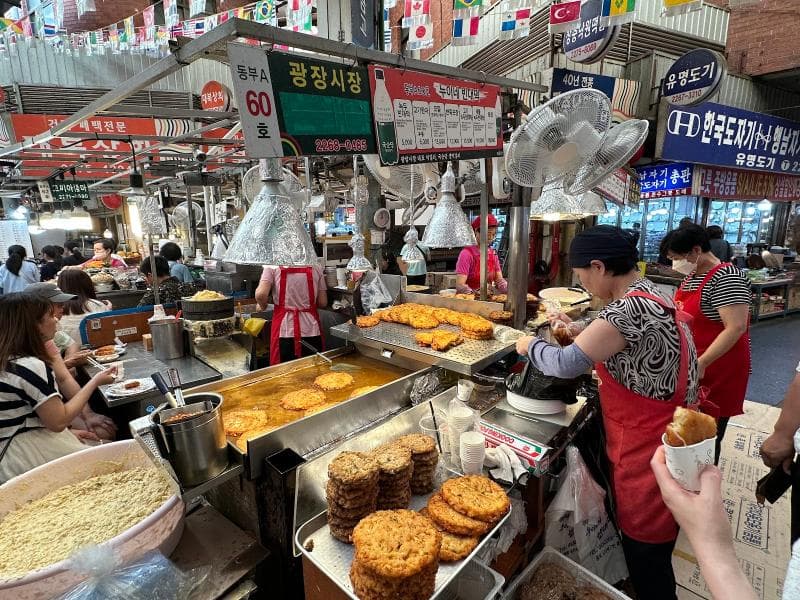
Explore Gwangjang Market's Vintage Market in Seoul, South Korea, for unique retro fashion. Discover secondhand treasures, from denim to accessories, on the market's second floor.
Overview
Gwangjang Market, a vibrant nexus of tradition and commerce in Seoul, South Korea, harbors a unique sub-spot known simply as the Vintage Market. Tucked away on the market's second floor, this area transforms from the bustling food stalls below into a treasure trove for enthusiasts of retro fashion. It is a genuine 'hidden gem' for those seeking authentic secondhand clothing, distinct from the culinary delights that often steal the spotlight. Here, hundreds of tiny stalls present an eclectic collection ranging from classic Korean styles to imported vintage denim, well-worn leather jackets, and an array of accessories. This expansive section offers an engaging contrast to the market's ground-floor energy, inviting patient explorers to delve into its unique offerings. With prices often beginning around ₩5,000, it caters to serious bargain hunters eager to unearth one-of-a-kind pieces.
History & Cultural Background
The story of the Vintage Market is interwoven with the rich tapestry of Gwangjang Market itself, one of South Korea's oldest continually operating traditional markets. Established in 1905, Gwangjang Market was born out of a profound sense of national pride and economic resilience. Private Korean investors created it to counter Japanese colonial control over other major markets like Namdaemun. Initially, the market was a hub for agricultural goods and textiles, eventually growing into a diverse commercial center. The seeds of the Vintage Market were sown in the tumultuous period following the Korean War. Refugees, seeking to rebuild their lives, engaged in the trade of daily necessities and munitions, which eventually gave rise to the Korean imported vintage market. Over decades, this particular sector evolved, gaining popularity for its ability to offer unique fashion items imbued with a sense of history and character that mass-produced goods simply cannot replicate. It stands as a testament to evolving fashion trends and the enduring appeal of upcycled style.
What Makes It Special
What truly sets Gwangjang Market's Vintage Market apart is its unparalleled combination of variety, authenticity, and accessibility. Visitors are met with an astonishing array of garments and accessories across hundreds of stalls, each potentially specializing in different aesthetics—from sportswear and streetwear to dandy, preppy, Americana, hip hop, aged leather, and classic denim. Many items are imported from fashion hubs like America and Japan, alongside unique domestic finds. This vast selection ensures that every visit promises a new discovery. Furthermore, the pricing here is often more competitive than in standalone vintage boutiques found in trendier districts of Seoul, making it a haven for budget-conscious fashion lovers. The opportunity to bargain with vendors adds another layer to the authentic market experience. Unlike sterile modern shopping environments, the Vintage Market provides a genuine cultural immersion, reflecting layers of Seoul's past fashion narratives. Its location on the second floor, often discovered after navigating the vibrant food corridors, contributes to its charm as a special find within an already iconic market.
Stories, Fun Facts & Local Details
Beyond its racks of clothing, the Vintage Market within Gwangjang holds layers of stories and cultural nuances. The overall Gwangjang Market itself has been a silent star in various K-dramas, such as 'Jewel in the Palace', where its timeless architecture and bustling alleys provided an authentic backdrop for depicting 'real Seoul'. The market's very name, 'Gwangjang', means 'to gather from afar and keep altogether', a fitting description for its diverse offerings and community spirit. The market's management dates back to 1911, making its operating association one of South Korea's oldest active companies. For first-time visitors, the sheer density of stalls and the volume of clothing can make the Vintage Market feel like a 'maze', inviting a delightful sense of exploration and treasure hunting. It is a place where patience is indeed a virtue, as hours can easily be spent sifting through racks to find that perfect, unexpected piece. Interestingly, many of the vendors operating these vintage stalls are younger entrepreneurs, blending their understanding of contemporary trends with the unique character of pre-loved items. This intergenerational aspect adds to the market's dynamic cultural fabric.
Visitor Perspective
Approaching the Vintage Market is an adventure in itself. Located on the second floor of Gwangjang Market, it is typically accessed through the main market entrances near Jongno 5-ga or Euljiro 4-ga stations. After immersing oneself in the sensory delights of the ground-floor food alleys, look for staircases or escalators leading upwards to this distinct fashion zone. For the most comfortable experience, a weekday visit is often recommended, as the market can become exceptionally crowded on weekends. While the food stalls boast extended hours, the vintage section's specific operating times may vary, with some sources suggesting that the best rummaging happens during different periods. It is wise to carry some Korean Won (cash) for purchases, as many individual vendors, especially smaller ones, might not accept card payments, although ATMs are usually available within the market. The Vintage Market promises an immersive experience for those who enjoy the thrill of the hunt. Be prepared to dedicate ample time to browsing, as discovering hidden treasures requires a keen eye and a patient spirit. This visit offers a chance not just to shop, but to engage with a living piece of Seoul's cultural and commercial history.
Coordinates: 126.999, 37.57
View on Google Maps💬 How Travelers Describe This Place
Based on community votes
Photogenic
726Must See
642Unique
597Beautiful
300Interesting
300
Traveler Stories
Discover memorable experiences shared by travelers who have visited this place.
No traveler stories yet.
Be the first traveler to share what made this place memorable.

Tour
By
Spot
Discover amazing places around the world. Your journey starts here.
Explore
© 2026 TourBySpot. All rights reserved.