Village Streets
Bucharest, Romania
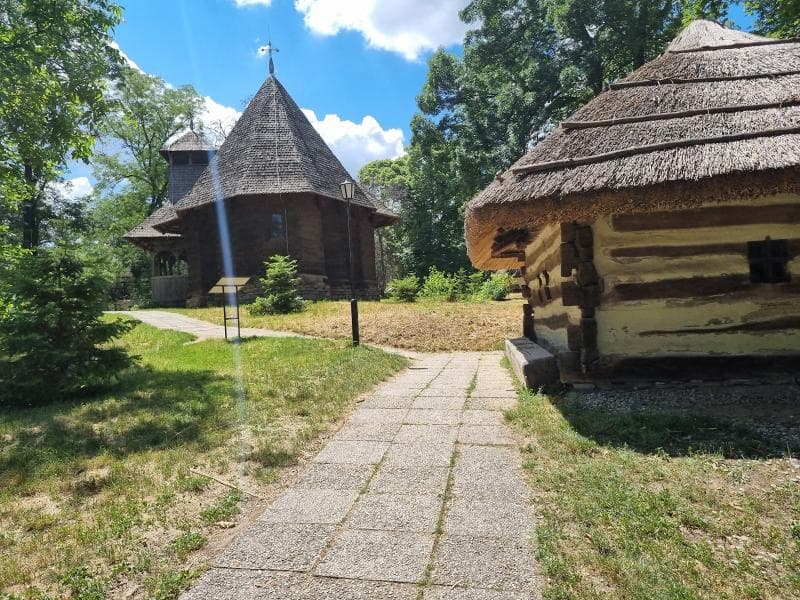
Explore the 'Village Streets' at Dimitrie Gusti National Village Museum in Bucharest, Romania. Discover authentic Romanian rural life and architecture.
Overview
Stepping into the 'Village Streets' within Bucharest's Dimitrie Gusti National Village Museum is like traversing a living history book, offering an unparalleled journey into Romania's rich rural heritage. This sprawling open-air ethnographic museum, nestled in the verdant King Michael I Park, reimagines traditional Romanian village life across 10 hectares (approximately 100,000 square meters) of meticulously preserved landscapes. It’s not merely a collection of buildings, but a thoughtfully arranged settlement, complete with houses, churches, and technical installations, all brought from various regions of Romania. Visitors can wander through paths that evoke genuine village lanes, encountering authentic peasant complexes that date from the 17th to the early 20th century. With 123 authentic peasant settlements, 363 monuments, and over 50,000 artifacts, the museum presents a comprehensive and immersive look at the country's diverse architectural and cultural traditions.
History & Cultural Background
The vision for this remarkable institution was conceived by the renowned Romanian sociologist, ethnologist, and philosopher, Dimitrie Gusti. He founded the museum in 1936, based on over a decade of intensive field research conducted by his sociological school at the University of Bucharest. Gusti's groundbreaking approach was to create a 'sociological museum' that would not just display artifacts, but vividly demonstrate the reality of village life as experienced by Romanian peasants. The museum officially opened on May 10, 1936, in the presence of King Carol II of Romania, making it one of the earliest open-air museums in Europe. The structures, ranging from humble peasant homes to grand wooden churches, were carefully disassembled in their original locations, transported to Bucharest by various means, including train, cart, and even boat, and then meticulously reassembled on the museum grounds. This painstaking process ensured the preservation of their authentic character and historical integrity.
What Makes It Special
What truly sets the Village Museum's 'streets' apart is the profound authenticity of its exhibits. Every house, every barn, every technical installation – from watermills to oil presses – is an original structure, not a replica, relocated from its native region to offer an accurate representation of Romanian rural architecture and lifestyle. This commitment to authenticity allows visitors to observe the nuanced architectural differences between regions like Maramureș, with its iconic carved wooden gates, the fortified churches of Transylvania, or the reed-thatched dwellings from Dobrogea. The museum's expansive collection includes over 300 unique peasant homes and thousands of objects, showcasing the ingenuity and craftsmanship of generations. Wandering these village-like pathways provides a unique opportunity to 'travel through time and space' and immerse oneself in the distinct regional cultures of Romania.
Stories, Fun Facts & Local Details
The Dimitrie Gusti National Village Museum holds a significant place in European museology, being one of the first open-air ethnographic museums established globally, following pioneers like Skansen in Stockholm and the Norsk Folkemuseum in Oslo. A fascinating detail from its early days is Professor Gusti's aspiration to bring the museum truly to life: he intended for the original peasant families, from whom the houses were acquired, to periodically reside in their relocated homes within the museum, even bringing their animals and farm birds. This initiative aimed to showcase the authentic, lived reality of rural communities. Although this practice is no longer common, the museum continues to host various cultural events, craft demonstrations, and folk festivals throughout the year, keeping the spirit of traditional village life vibrant. Visitors might encounter artisans demonstrating ancient crafts or witness folk dances, offering a glimpse into the joyful aspects of Romanian heritage. Each structure tells its own story, from the intricate carvings on a Maramureș gate that once warded off evil spirits to the simple, functional layout of an Oltenian farmhouse, reflecting the daily lives and beliefs of its former inhabitants.
Visitor Perspective
For the curious traveler, exploring the 'Village Streets' is an enriching and contemplative experience. The design allows for a leisurely stroll through what genuinely feels like a small, tranquil village, offering a peaceful escape from the urban environment of Bucharest. It's an opportunity to connect with the soul of Romania, understanding the foundational role of the village in the country's history and cultural identity. The well-preserved homes, complete with their period-specific interiors and tools, offer clear insights into the challenges and simple joys of peasant life. As you wander from one regional complex to another, you gain a tangible appreciation for the diversity within Romanian traditions. It's a place for reflection, for learning, and for experiencing a profound sense of continuity with the past, making it a must-visit for anyone seeking to understand the authentic spirit of Romania.
Coordinates: 26.07656, 44.47336
View on Google Maps💬 How Travelers Describe This Place
Based on community votes
Must See
921Unique
831Photogenic
433Beautiful
232Interesting
211
Traveler Stories
Discover memorable experiences shared by travelers who have visited this place.
No traveler stories yet.
Be the first traveler to share what made this place memorable.

Tour
By
Spot
Discover amazing places around the world. Your journey starts here.
Explore
© 2026 TourBySpot. All rights reserved.