Villa Borghese Gardens
Rome, Italy
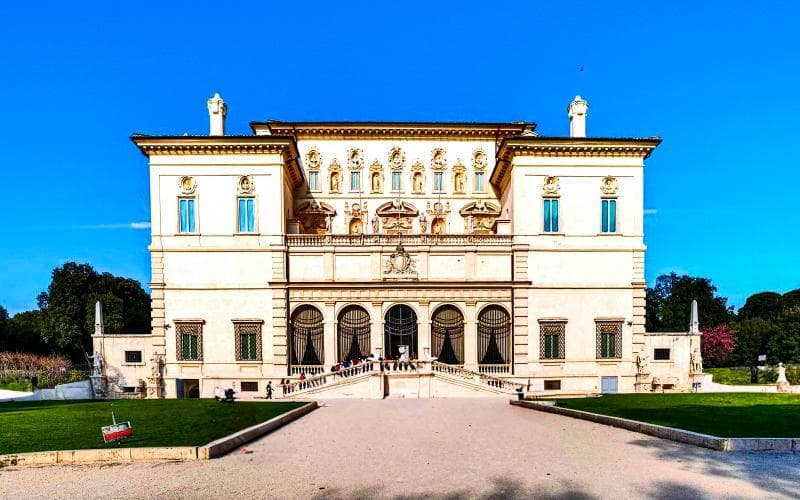
Explore the enchanting Villa Borghese Gardens in Rome, Italy. Discover historical landscapes, stunning art, serene lakes, and panoramic city views.
Overview
Nestled in the vibrant heart of Rome, Italy, the Villa Borghese Gardens present a sprawling expanse of natural beauty, artistic masterpieces, and historical grandeur. As the third-largest public park in Rome, covering approximately 80 hectares (200 acres), it offers a serene escape from the city's lively rhythm. This verdant oasis is more than just a park; it's a magnificent fusion of nature, art, and history, inviting visitors to wander through its diverse landscapes and discover countless hidden gems.
Within the gardens, you'll find an array of attractions, including renowned museums like the Borghese Gallery, which houses an unparalleled collection of art, and the Bioparco di Roma, the city's zoological garden. The park is characterized by its blend of meticulously designed Italian gardens and the more expansive, naturalistic English-style landscapes, adorned with numerous sculptures, fountains, and architectural follies.
Admission to the Villa Borghese Gardens themselves is free, and they are generally open to the public around the clock, making them a readily accessible haven for both locals and travelers seeking relaxation and cultural enrichment.
History & Cultural Background
The origins of Villa Borghese Gardens trace back to the early 17th century when Cardinal Scipione Borghese, an influential art collector and the nephew of Pope Paul V, embarked on a grand project to transform what was initially a family vineyard. His vision, initiated around 1605-1608, was to create a lavish 'villa suburbana' – a country estate on the edge of Rome – that would not only reflect the immense prestige of the Borghese family but also serve as a spectacular setting for his extensive art collection.
The design and construction of the villa and its initial gardens were overseen by architects Flaminio Ponzio and Giovanni Vasanzio. Over the centuries, the Borghese family continued to expand and embellish the estate, with later redesigns in the 19th century adopting a more naturalistic English landscape style.
A significant turning point came in 1901 when the Italian state acquired the entire monumental complex from the Borghese family. By 1903, the Villa Borghese Gardens were officially opened to the public, transforming this once-exclusive private domain into a treasured public park for all to enjoy. The 'Casino Nobile', the main building that housed the cardinal's art, was subsequently established as the Galleria Borghese, preserving its artistic legacy for future generations.
What Makes It Special
What truly sets Villa Borghese Gardens apart is its seamless integration of nature, classical art, and architectural marvels. The park's diverse landscaping offers a journey through different aesthetic styles, from formal Italian gardens with geometric precision to the more winding paths and picturesque vistas of its English-style sections.
One of its most iconic features is the Pincio Terrace, offering breathtaking panoramic views across Rome's historic skyline, including the Piazza del Popolo and the distant dome of St. Peter's Basilica. It's a prime spot for photographers and romantics alike, especially during sunset.
Central to the park's charm is the Giardino del Lago, an artificial lake where visitors can rent rowboats and glide past the enchanting Temple of Aesculapius, a neoclassical structure situated on its own small island. Other notable landmarks include the ornate Fountain of the Seahorses and the unique Pincio's Water Clock, an intriguing example of 19th-century engineering.
Beyond the scenic beauty, the gardens serve as a cultural hub, hosting several museums. The Borghese Gallery itself is a treasure trove of Baroque and Renaissance art, showcasing masterpieces by titans such as Bernini, Caravaggio, Raphael, and Titian. The park also features the Museo Carlo Bilotti, dedicated to contemporary art, and the Silvano Toti Globe Theatre, a faithful reconstruction of Shakespeare's Elizabethan playhouse.
Stories, Fun Facts & Local Details
The Villa Borghese Gardens are steeped in stories that add layers of intrigue to its beauty. Cardinal Scipione Borghese, the mastermind behind its creation, was an avid patron of the arts, famously commissioning works from the young Gian Lorenzo Bernini, many of which still grace the Borghese Gallery today. The cardinal's discerning eye for talent helped shape the Baroque art movement.
Historically, the gardens were not always open to the public. During the 18th century, Prince Marcantonio IV Borghese would occasionally open his magnificent estate for summer strolls and festivities, including boat trips on the lake and pigeon shooting. This gradual opening foreshadowed its eventual transformation into a public park.
Among the park's many charming details are the 'Secret Gardens' (Giardini Segreti), meticulously recreated based on 17th-century designs, offering intimate, enclosed spaces. The Piazza di Siena, named in honor of the Borghese family's ancestral home, is a grand oval arena that continues to host prestigious equestrian events and concerts, drawing crowds from across the globe.
For those with a keen eye for history, the Pincio Terrace is lined with busts of notable Italians, a testament to the nation's heroes and cultural figures. Adding to its unique character, the Villa Borghese is said to house the world's smallest cinema, a delightful surprise for film enthusiasts within its sprawling grounds. Renowned writers like Victor Hugo and Goethe also found inspiration amidst these very gardens, further cementing their cultural significance.
Visitor Perspective
Visiting Villa Borghese Gardens offers a diverse and enriching experience for every traveler. It's an ideal destination for those seeking a tranquil respite from the urban environment, providing vast green spaces perfect for leisurely walks, jogging, or cycling. Bicycles and even golf carts can be rented near the entrances, making it easy to explore the expansive park at your own pace.
Families will find a wealth of activities, from playgrounds and pony rides for younger children to the popular Bioparco di Roma, where a variety of animals can be observed in naturalistic settings. The calm waters of the lake also offer romantic boat rentals, providing a unique perspective of the Temple of Aesculapius.
For art and culture enthusiasts, a visit to the Borghese Gallery is paramount. However, due to its immense popularity and strict visitor limits (often only 360 people per visit), booking tickets well in advance is essential to guarantee entry and avoid disappointment.
Whether you choose to immerse yourself in art, enjoy a picnic on a shaded lawn, or simply watch the sunset paint the Roman sky from the Pincio Terrace, the Villa Borghese Gardens provide a memorable and deeply Roman experience, blending historical grandeur with contemporary relaxation.
Coordinates: 12.4887, 41.9085
View on Google Maps💬 How Travelers Describe This Place
Based on community votes
Unique
445Interesting
416Must See
289Beautiful
141Photogenic
33
Traveler Stories
Discover memorable experiences shared by travelers who have visited this place.
No traveler stories yet.
Be the first traveler to share what made this place memorable.

Tour
By
Spot
Discover amazing places around the world. Your journey starts here.
Explore
© 2026 TourBySpot. All rights reserved.