Viking Exhibits
Dublin, Ireland
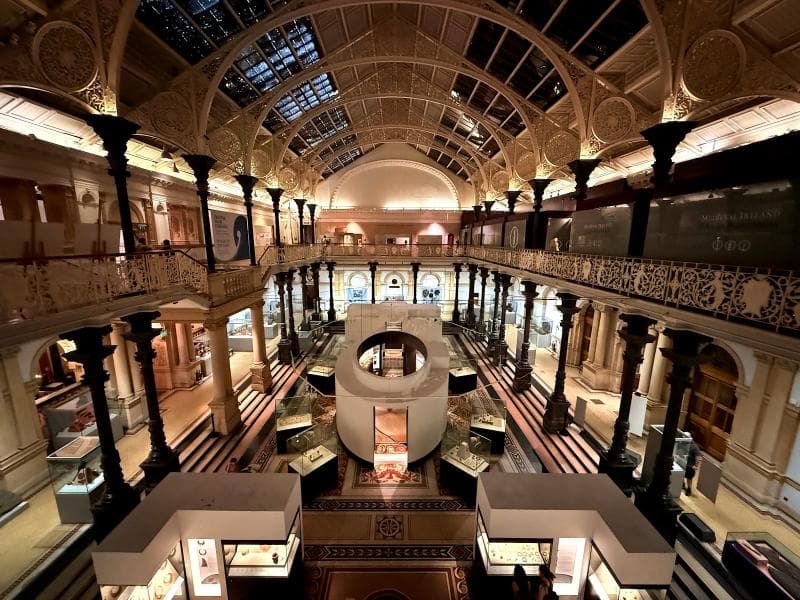
Explore the 'Viking Ireland' exhibits at the National Museum of Ireland in Dublin, delving into Norse history and culture in Ireland.
Overview
Step into the National Museum of Ireland – Archaeology in Dublin and journey back to a pivotal era in Irish history: the Viking Age. The ‘Viking Ireland’ exhibition offers an immersive exploration of how these Norse seafarers profoundly shaped the Emerald Isle from their first appearance in the late 8th century until well after 1150 AD. Far from mere raiders, the Vikings introduced new economic, cultural, and political dynamics that irrevocably altered the course of Ireland's development.
This extraordinary exhibition showcases a vast array of surviving objects, meticulously unearthed from Viking graves and significant settlement sites across Ireland, with a particular focus on Dublin. Regarded as the most important Viking site in Ireland, the capital's archaeological excavations have yielded an unparalleled collection, providing an intimate glimpse into the daily lives, beliefs, and sophisticated craftsmanship of its early Norse inhabitants.
History & Cultural Background
The Viking presence in Ireland began with raids along the coasts in 795 AD. However, their impact quickly evolved beyond plunder. By around 840 AD, Vikings established fortified bases, or longphorts, which would eventually grow into Ireland's first towns. Dublin, originally known as ‘Dubh Linn’ (Black Pool), stands as a prime example, founded by Vikings in the 9th century. Other significant Viking towns included Waterford, Limerick, Cork, and Wexford.
The exhibition meticulously traces this transformation, presenting evidence of how Viking society integrated with and influenced the native Irish. It delves into the economic shifts brought about by new trading networks, the cultural blending seen in art and craftsmanship, and the political evolution sparked by their arrival. This period was not just about conflict; it was also a time of significant exchange and settlement, laying foundations for the modern Irish urban landscape.
What Makes It Special
What sets the ‘Viking Ireland’ exhibition apart is its status as one of Europe's finest collections of excavated finds from an early medieval urban centre. The sheer volume and quality of artifacts provide an incredibly detailed picture of Viking life, not just for warriors, but for entire communities.
Visitors will encounter a remarkable range of items: from powerful swords and spearheads discovered in Viking warrior graves to delicate silver brooches and personal adornments worn by both Irish and Norse peoples. The exhibition also highlights the everyday, displaying agricultural tools, craftwork implements, and evidence of thriving trade and manufacturing. It's a comprehensive narrative, showcasing the profound depth of archaeological discovery that truly brings the Viking Age to life.
Stories, Fun Facts & Local Details
While no complete Viking ship has yet been found in Ireland, the exhibition cleverly presents reused ship timbers and fascinating sketches of vessels found on planks, offering clues to their maritime prowess. You might even spot miniature model ships in wood and lead, perhaps children's toys from a thousand years ago.
Beyond warfare, the exhibits reveal the domestic side of Viking life. Discover typically Scandinavian oval brooches, often worn in pairs by women, along with everyday objects like whalebone 'ironing boards,' spindle whorls for spinning wool, and bronze needle cases. These items tell stories of Scandinavian women who also found their homes in Ireland.
A delightful detail for the curious traveler is the display of a decorated wooden gaming board, likely used for the ancient Viking war game, Hnefatafl. Imagine Viking settlers strategizing over a game, much like we do today. You'll also find bone ice skates, offering a glimpse into their leisure activities during colder months.
The exhibition is heavily informed by extensive urban archaeological excavations in Dublin between 1961 and 1981, particularly at Wood Quay. These digs uncovered astonishing detail about the city's early development, revealing evidence of workshops, houses, and complex trading networks that made Dublin a vital hub in the western Viking world.
Visitor Perspective
Located on Kildare Street in the heart of Dublin city centre, the National Museum of Ireland – Archaeology is easily accessible and offers free admission, making the ‘Viking Ireland’ exhibition a must-see for anyone interested in this captivating period.
The thoughtfully curated displays, combined with detailed explanations, ensure that visitors of all ages can appreciate the complexity and richness of Ireland's Viking past. Whether you're a history enthusiast or simply a curious traveler, the ‘Viking Ireland’ exhibition promises a fascinating journey back in time, offering a tangible connection to the Norse men and women who helped forge the identity of modern Ireland.
Coordinates: -6.2541497, 53.3402081
View on Google Maps💬 How Travelers Describe This Place
Based on community votes
Photogenic
692Beautiful
674Must See
503Interesting
261Unique
49
Traveler Stories
Discover memorable experiences shared by travelers who have visited this place.
No traveler stories yet.
Be the first traveler to share what made this place memorable.

Tour
By
Spot
Discover amazing places around the world. Your journey starts here.
Explore
© 2026 TourBySpot. All rights reserved.