Viewpoints
Lisbon, Portugal
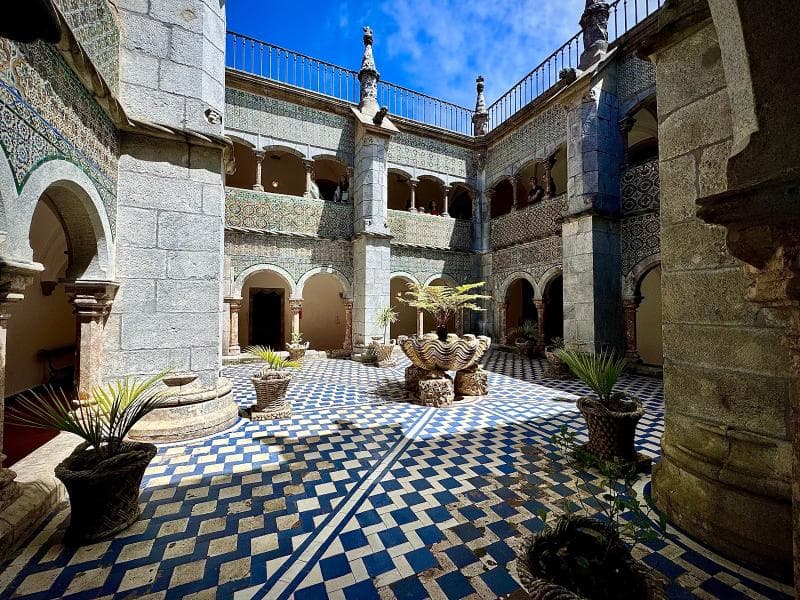
Discover the enchanting Viewpoints of Pena Park in Sintra, Portugal, offering panoramic vistas of the colorful Pena Palace, lush mountains, and the Atlantic Ocean. Immerse yourself in King Ferdinand II's romantic vision.
Overview
The 'Viewpoints' within the Park and National Palace of Pena in Sintra, Portugal, offer a truly breathtaking experience, inviting visitors to gaze upon a landscape born of a king's romantic vision. This UNESCO World Heritage site is not merely a palace, but an expansive park teeming with exotic flora and strategically placed vistas that command panoramic views of the vibrant palace, the lush Sintra mountains, and the distant Atlantic Ocean [2, 3, 6]. From the iconic Cruz Alta, the park's highest point, to the serene Queen's Terrace, these spots provide unparalleled perspectives of one of Portugal's most fantastical landmarks [2, 3, 29]. Each viewpoint is a pause in your journey, a moment to absorb the unique blend of architectural splendor and natural beauty that defines this enchanting destination [10, 19].
History & Cultural Background
The history of Pena Park and its myriad viewpoints is deeply intertwined with the Romanticist ideals of King Ferdinand II, often known as the 'Artist King' [11, 22]. In the 19th century, he acquired the ruins of an old monastery, which had been damaged by a lightning strike and the devastating 1755 earthquake, and embarked on transforming it into the vibrant palace we see today [6, 15, 20]. Simultaneously, he meticulously designed the surrounding park, transforming bare hillsides into a lush, exotic arboretum [10, 12, 15, 28]. Inspired by English and Central European gardens, Ferdinand introduced over 500 species of trees and plants from across the globe, creating a truly unique ecosystem within Sintra's distinct microclimate [10, 12, 15, 18, 28]. This ambitious project was not just about building a palace, but about crafting an immersive landscape where art and nature harmoniously converged, offering a theatrical backdrop for his whimsical architectural masterpiece [10, 19]. The viewpoints were an integral part of this design, conceived to highlight the palace's dramatic perch and the vastness of the surrounding natural beauty [6, 10].
What Makes It Special
What truly sets the viewpoints of Pena Park apart is their remarkable ability to frame the eccentric and colorful Pena Palace within an equally stunning natural canvas. Unlike typical castle overlooks, these spots offer a diverse range of perspectives, from the close-up intricate details of the palace's Neo-Gothic, Neo-Manueline, and Neo-Moorish architecture to sweeping panoramas extending to the Atlantic horizon [3, 6, 12]. The strategic placement of viewpoints like St Catherine's Heights allows visitors to appreciate the palace's vibrant hues against the backdrop of dense forests and rolling hills [3, 13]. The park itself is a living masterpiece, with its winding paths, hidden clearings, and diverse botanical collection, making every turn a new discovery [10, 15, 18]. From the highest points, on a clear day, one can even glimpse the city of Lisbon in the distance [3]. This deliberate fusion of wild nature and cultivated beauty, orchestrated by King Ferdinand II, creates an emotional and visual journey that feels like stepping into a fairytale [12, 24]. The sense of scale, with the brightly colored palace perched high amidst ancient trees and rugged terrain, evokes a profound sense of wonder and enchantment [12, 25].
Stories, Fun Facts & Local Details
The 'Viewpoints' are imbued with fascinating tales and details that enhance their allure. The Cruz Alta, or High Cross, stands as the highest point in the park, at an impressive 529 meters [21, 29]. While some assert it offers the ultimate distant view of the palace [4, 24, 27], its primary draw is undoubtedly the incredible 360-degree panorama of the Sintra mountains and the distant coastline [6, 21]. Another captivating spot is St Catherine's Heights, also affectionately known as the 'Queen's Throne,' reportedly a favorite retreat for Queen Amélia where she would go to meditate and admire the views, featuring a throne carved directly into the rock [12, 13]. King Ferdinand II, the visionary behind this romantic landscape, earned the moniker 'Artist King' due to his personal involvement in both the architectural and landscape design of Pena [10, 19]. His passion led to the importation of tree ferns from Australia and New Zealand, sequoias from California, and camellias from Asia, all thriving in Sintra's unique microclimate [15, 18, 28]. A charming detail found within the Valley of the Lakes are the miniature castle-shaped duck houses, echoing the grandeur of the main palace and the nearby Moorish Castle [15, 29]. These small, often overlooked elements add layers of whimsy and historical depth to your exploration of the park's scenic overlooks.
Visitor Perspective
Exploring the 'Viewpoints' of Pena Park is an immersive adventure that rewards curiosity and patience. As you wander the winding trails, each vista offers a new dimension to the palace's vibrant colors and intricate forms, changing with the light and the mist that often shrouds the Sintra hills [12, 19]. It's an opportunity to step away from the immediate crowds of the palace interior and embrace the serene grandeur of its natural surroundings [21]. Take your time, allow yourself to get 'happily lost' amidst the exotic trees and hidden pathways, discovering your own favorite corners and perspectives [11]. Whether you seek a dramatic photograph of the palace against a sprawling landscape or a quiet moment of reflection, these viewpoints offer a profound connection to the Romantic spirit of King Ferdinand II and the timeless beauty of Sintra [10, 19, 21]. The journey through the park to these elevated spots is as much a part of the experience as the views themselves, a testament to the King's desire to create an idealized version of wild nature [18].
Coordinates: -9.39039, 38.7875
View on Google Maps💬 How Travelers Describe This Place
Based on community votes
Beautiful
476Unique
465Interesting
276Must See
128Photogenic
126
Traveler Stories
Discover memorable experiences shared by travelers who have visited this place.
No traveler stories yet.
Be the first traveler to share what made this place memorable.

Tour
By
Spot
Discover amazing places around the world. Your journey starts here.
Explore
© 2026 TourBySpot. All rights reserved.