Viewpoints
Salzburg, Austria
Discover the stunning viewpoints of Kapuzinerberg in Salzburg, Austria. Enjoy panoramic views of the Old Town, Hohensalzburg Fortress, and the Alps.
Overview
Perched majestically on the eastern bank of the Salzach River, Kapuzinerberg is a verdant hill in Salzburg, Austria, offering some of the most captivating panoramic vistas of the city. Rising to an elevation of approximately 640 meters, this natural landmark stands as a tranquil contrast to the bustling Old Town below. It is an integral part of the UNESCO World Heritage site of Salzburg's historic center, providing a unique perspective on its baroque architecture and the formidable Hohensalzburg Fortress. Unlike its counterparts, Mönchsberg and Festungsberg, Kapuzinerberg is not serviced by a funicular or elevator, requiring visitors to ascend on foot via charming staircases and winding paths. This pedestrian-only access contributes to its serene atmosphere, making it a beloved spot for both locals and curious travelers seeking both scenic beauty and a peaceful escape.
Key access points, such as the Imbergstiege from Steingasse and the Stefan-Zweig-Weg from Linzer Gasse, lead adventurers through its lush, forested slopes. Along these routes, several notable viewpoints reveal the city's splendor, including the popular Hettwer Bastei and the historic Franziskischlössl. These spots are particularly cherished for their unobstructed outlooks, allowing the eye to trace the Salzach River as it carves through the city and to admire the intricate details of Salzburg's iconic skyline.
History & Cultural Background
Kapuzinerberg's historical tapestry is as rich and layered as the views it affords. Evidence suggests human habitation on its slopes dates back to prehistoric times, with settlements from the Neolithic period and as far back as 1100 B.C. The mountain derives its name from the Capuchin Monastery (Kapuzinerkloster) that has overlooked Salzburg for centuries. This monastery was established between 1599 and 1605 by Prince-Archbishop Wolf Dietrich von Raitenau, intended as a Catholic bulwark against the rising tide of the Reformation. The site itself held earlier significance, built upon the foundations of a medieval fortress known as the 'Trompeterschlössl'.
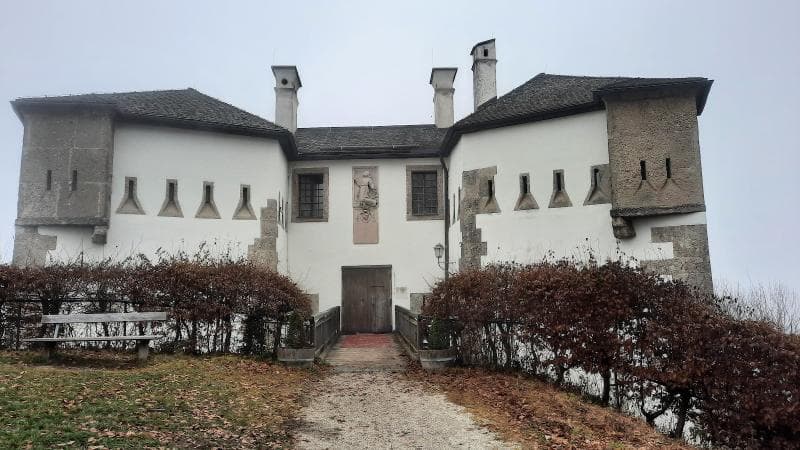
During the tumultuous Thirty Years' War, Kapuzinerberg played a crucial defensive role, and its landscape is still marked by impressive fortifications and city walls. Among these is the Franziskischlössl, a small fortress constructed in 1629 by Prince-Archbishop Paris Lodron. A poignant 'Way of the Cross', featuring Baroque Stations of the Cross built between 1736 and 1744, guides pilgrims and hikers along one of the ascent paths from Linzergasse, offering moments for reflection amidst the natural beauty. The mountain also holds literary importance, as the renowned author Stefan Zweig resided in the 'Paschinger Schlössl' (Kapuzinerberg 5) from 1919 to 1934, drawing inspiration from its serene surroundings.
What Makes It Special
The allure of Kapuzinerberg lies in its unparalleled ability to combine breathtaking natural beauty with profound historical resonance. It offers a unique vantage point to absorb the architectural grandeur of Salzburg's Old Town, with its pastel-colored houses, baroque domes, and spires, all crowned by the majestic Hohensalzburg Fortress. On exceptionally clear days, the distant peaks of the Bavarian Alps can be glimpsed, adding another layer of scenic wonder to the panorama.
Beyond the sweeping views, Kapuzinerberg is a haven for outdoor enthusiasts. Its extensive wooded trails provide a 'green lung' for the city, inviting hikers and nature lovers to explore its peaceful paths away from the urban hustle. The mountain is home to a surprising array of wildlife, including chamois, deer, badgers, and pine martens, offering a touch of wild nature within the city limits. The blend of stunning landscapes and historical sites, from ancient fortifications to a centuries-old monastery, creates an enriching experience that transcends mere sightseeing. It provides a different, often less crowded, perspective compared to other popular viewpoints, making the journey itself an integral part of its charm.
Stories, Fun Facts & Local Details
Kapuzinerberg is dotted with intriguing stories and delightful details that enhance its charm. The Franziskischlössl, for instance, once served a purely defensive purpose but was later transformed into a popular tavern in 1849, becoming a favored excursion destination for generations. While its restaurant function has seen changes over the years, its historical presence and the views from its terrace remain a draw.
The 'Kanzel', or pulpit, is another spot offering truly breathtaking views over the city's rooftops, providing a memorable photographic opportunity. For those with an appreciation for literature, the path to the summit will lead past the former residence of Stefan Zweig. During his time here, Zweig hosted a remarkable circle of intellectual friends, including literary giants like Thomas Mann and James Joyce, undoubtedly finding inspiration in the tranquil surroundings. The mountain also features a memorial to Salzburg's most famous son, Wolfgang Amadeus Mozart. For the more adventurous, the steep north face of Kapuzinerberg offers a unique rock-climbing opportunity known as the 'City Wall' fixed-cable climb, though it is only permitted from July to March to protect nesting birds.
Visitor Perspective
Visiting the viewpoints on Kapuzinerberg is an experience best savored, offering a rewarding blend of effort and immense visual payoff. The climb, while requiring basic fitness and sturdy footwear due to some steep and potentially rocky sections, is manageable and typically takes about 30 minutes to reach the most accessible viewpoints from the Old Town. A more comprehensive visit, including a hike to Franziskischlössl, can extend to a pleasant two to three hours.
For photographers and sightseers alike, the recommended times to visit are during sunrise, early morning, or late afternoon to sunset, when the light casts a magical glow over Salzburg. The well-maintained trails, particularly the main paved paths like the Stefan-Zweig-Weg, are clearly signed, making navigation straightforward. While public restrooms are limited along the trails, the overall journey provides a refreshing break from the city's crowds. It is an ideal destination for those who appreciate natural beauty, a touch of history, and the satisfaction of earning a truly magnificent view.
Coordinates: 13.0483, 47.7994
View on Google Maps💬 How Travelers Describe This Place
Based on community votes
Beautiful
539Interesting
517Photogenic
422Unique
251Must See
234
Traveler Stories
Discover memorable experiences shared by travelers who have visited this place.
No traveler stories yet.
Be the first traveler to share what made this place memorable.

Tour
By
Spot
Discover amazing places around the world. Your journey starts here.
Explore
© 2026 TourBySpot. All rights reserved.