Viewing Platforms
Helsinki, Finland
Discover the iconic Sibelius Monument in Helsinki, Finland. Explore its abstract steel pipe sculpture, rich history, and the serene Sibelius Park views.
Overview
Nestled within the serene Sibelius Park in Helsinki, Finland, stands the iconic Sibelius Monument, a profound tribute to the country's revered national composer, Jean Sibelius. This striking work of art, crafted by sculptor Eila Hiltunen, is far from a traditional statue, instead presenting an abstract, wave-like formation of over 600 welded steel pipes. Located by the sea, the monument and its surrounding park inherently offer visitors a compelling experience that blends art, nature, and panoramic views. While there are no formally designated 'viewing platforms,' the entire area encourages contemplation and offers myriad perspectives of both the monumental sculpture and the picturesque Helsinki coastline.
History & Cultural Background
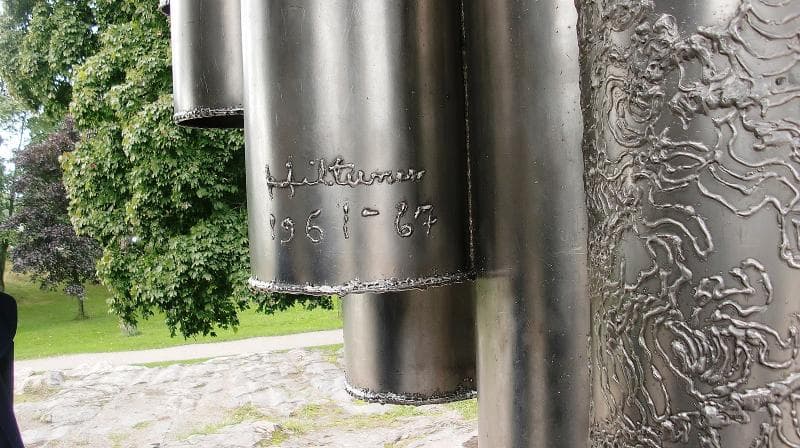
The story of the Sibelius Monument is deeply intertwined with Finland's national identity and its most celebrated musical figure, Jean Sibelius (1865-1957). Following Sibelius's passing, a competition was launched in the early 1960s to create a memorial worthy of his legacy. The winning design, titled 'Passio Musicae' by Eila Hiltunen, ignited a significant cultural debate. Many Finns expected a traditional, figurative representation of the composer, rather than Hiltunen's abstract vision of steel pipes. To appease critics and bridge the divide between abstract and representational art, a separate, more traditional bust of Sibelius was later added beside the main structure. Unveiled on September 7, 1967, the monument not only honored Sibelius but also played a crucial role in modernizing Finland's art scene, challenging conventional norms and showcasing Hiltunen's pioneering work in welding large-scale public sculptures.
What Makes It Special
The Sibelius Monument is unique for its audacious design and the multi-sensory experience it offers. Comprising 569 acid-resistant stainless steel pipes, varying in length and diameter, the sculpture evokes a powerful sense of music, akin to organ pipes, wind chimes, or even a frozen wave. The artist, Eila Hiltunen, meticulously textured these pipes and pierced them with fissures to manipulate light and shadow, creating a dynamic visual effect. Visitors can walk around and even partially beneath the monumental structure, where the wind passing through the hollow tubes can create eerie, ethereal sounds, turning the monument into a kinetic and musical experience. This interplay of light, sound, and form allows for countless perspectives, inviting viewers to interpret Sibelius's connection to nature and his profound musical rhythms.
Stories, Fun Facts & Local Details
Beyond its striking appearance, the Sibelius Monument holds intriguing stories. Eila Hiltunen's achievement in creating such a large-scale welded sculpture was remarkable, especially for a woman in the 1960s, challenging gender norms in the art world. The initial public outcry over its abstract nature highlights a fascinating moment in Finnish cultural history, showcasing a nation grappling with modern art and national identity. The monument has since become one of Helsinki's most photographed landmarks and a symbol of Finnish creativity. Its international significance is underscored by the fact that smaller versions or sculptural details are located at the UNESCO headquarters in Paris and the United Nations Headquarters in New York, demonstrating its role in cultural diplomacy. The surrounding Sibelius Park itself, a tranquil green space established in the 1930s and officially named in 1945, offers peaceful walking paths and beautiful views of the Töölö district and the sea. A short stroll away, visitors can find charming local spots like Cafe Regatta, adding to the delightful experience of the area.
Visitor Perspective
Visiting the Sibelius Monument is an immersive journey that encourages both artistic appreciation and a connection with nature. As you approach, the scale of the 24-tonne, 8.5-meter-high sculpture becomes apparent, rising majestically from the park landscape. The monument's position on the seaside allows for expansive views, whether you're gazing at the shimmering water, the surrounding greenery of Sibelius Park, or the Helsinki skyline in the distance. Walking around the abstract pipes, you'll discover new angles and reflections, experiencing the sculpture as a living, breathing entity that changes with the light and wind. The deliberate placement of the monument within the park means that the entire area acts as a natural viewing ground, where every step reveals a different visual symphony. It's a place for quiet reflection, for photographers seeking unique compositions, and for anyone wishing to experience Finland's profound artistic and natural heritage.
Coordinates: 24.914326, 60.181384
View on Google Maps💬 How Travelers Describe This Place
Based on community votes
Beautiful
886Unique
564Must See
233Interesting
201Photogenic
121
Traveler Stories
Discover memorable experiences shared by travelers who have visited this place.
No traveler stories yet.
Be the first traveler to share what made this place memorable.

Tour
By
Spot
Discover amazing places around the world. Your journey starts here.
Explore
© 2026 TourBySpot. All rights reserved.