Viewing Platforms
Edinburgh, United Kingdom
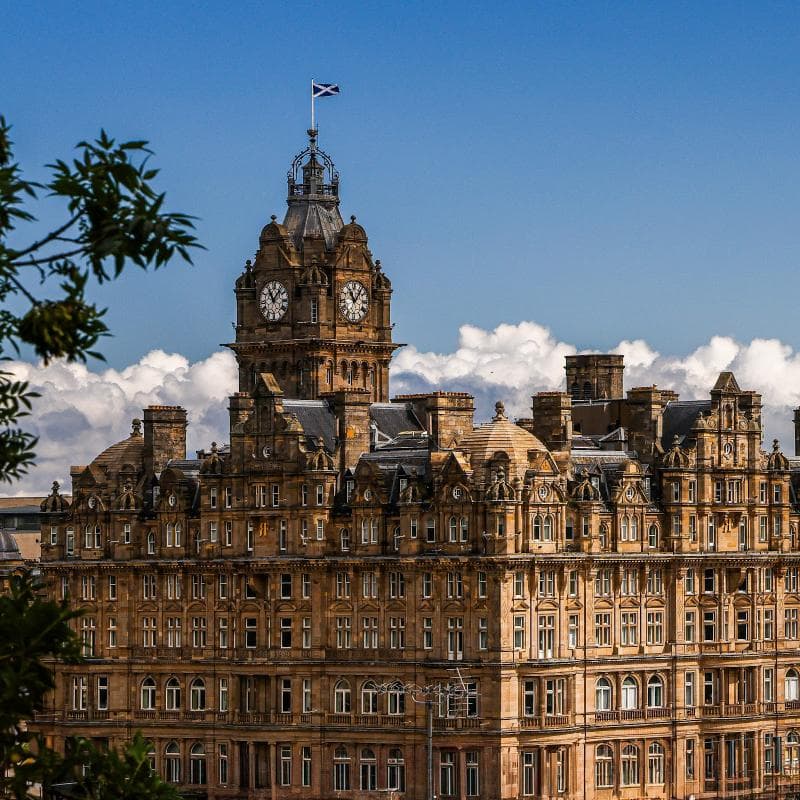
Ascend the Scott Monument Viewing Platforms in Edinburgh, United Kingdom, for breathtaking panoramic city views. Explore its Gothic architecture, history, and literary tributes.
Overview
The Scott Monument, a towering Gothic masterpiece, stands proudly in Princes Street Gardens in Edinburgh, United Kingdom. Dedicated to the celebrated Scottish author Sir Walter Scott, this iconic landmark not only dominates the city's skyline but also offers intrepid visitors a unique opportunity to ascend its intricate structure. Within its spire lie several viewing platforms, providing unparalleled panoramic vistas of Edinburgh and its dramatic surroundings. It is recognized as one of the largest monuments dedicated to a writer in the world, a testament to Scott's profound legacy in Scottish literature and culture.
History & Cultural Background
Following the death of Sir Walter Scott in 1832, there was a strong desire among Edinburgh's citizens to erect a fitting memorial to his immense contributions to literature. A competition was launched in 1836 to select a design for this grand tribute. The winning entry came from George Meikle Kemp, a self-taught architect and carpenter who, initially fearing prejudice due to his lack of formal qualifications, submitted his design under the pseudonym 'John Morvo'. Kemp's vision for a soaring Victorian Gothic spire was chosen, reflecting the romantic and historical themes prevalent in Scott's own works. Construction began in 1841, with the foundation stone laid on August 15, 1840, an anniversary of Scott's birthday. Tragically, Kemp did not live to see his masterpiece completed; he drowned in the Union Canal in 1844 after reportedly losing his way in thick fog, just before the monument's completion. The monument was officially inaugurated on August 15, 1846. Built primarily from Binny sandstone quarried in West Lothian, the monument's original light color has, over time, darkened to a distinctive charcoal hue, partly due to the city's historical soot-laden atmosphere.
What Makes It Special
What truly sets the Scott Monument's viewing platforms apart is the journey itself. To reach the highest accessible platform, visitors must ascend a narrow, winding spiral staircase of 287 steps (though the exact count can vary slightly between sources). This challenging climb is broken up by several intermediate galleries, each offering a progressively higher and different perspective of the city. These platforms provide breathtaking 360-degree views, encompassing iconic landmarks such as Edinburgh Castle, the historic Old Town, the bustling Princes Street, Calton Hill, and even the distant Firth of Forth. The intricate Gothic architecture, adorned with 64 statues depicting characters from Scott's novels and other significant Scottish figures, can be admired up close during the ascent. It's not just a climb; it's an immersive experience within a historical work of art, offering unique insights into the monument's construction and detailing.
Stories, Fun Facts & Local Details
The monument is rich with stories. One such tale involves the architect, George Meikle Kemp, who initially entered the design competition anonymously, likely due to his background as a joiner rather than a formally trained architect. His talent, however, shone through, leading to the construction of this grand tribute. Another fascinating detail lies in the monument's stone: Binny sandstone. This stone naturally contains oil, and combined with Edinburgh's 'Auld Reekie' (Old Smokey) past, the accumulated soot has stained the monument a distinctive dark color, contrasting sharply with the brilliant white Carrara marble statue of Sir Walter Scott himself at the base. This statue, carved by Sir John Steell, depicts Scott seated, quill in hand, with his beloved deerhound Maida at his side. The 64 smaller statues adorning the monument offer a delightful treasure hunt for literature enthusiasts, representing characters from Scott's celebrated novels like 'Ivanhoe', 'Rob Roy', and 'Waverley'. It's said that some visitors have even required assistance from the fire brigade after getting stuck in the monument's narrow upper stairwells, a testament to the confined nature of the climb.
Visitor Perspective
Embarking on the ascent to the Scott Monument's viewing platforms is an adventure. The journey begins with relatively wide spiral staircases, gradually becoming narrower and steeper as you climb higher. It's a physical challenge, but one that rewards perseverance with awe-inspiring views. Each platform offers a different vantage point, allowing you to pause, catch your breath, and absorb the unfolding cityscape. The small museum room on the first level provides a welcome respite and an opportunity to learn more about Sir Walter Scott's life and the monument's construction through informative displays. As you navigate the tight passages, you'll feel a sense of connection to the past, traversing the same stone steps that have been climbed by countless others since 1846. Reaching the uppermost platform is a moment of triumph, revealing sweeping panoramas that truly capture the essence of Edinburgh, from its ancient castle to its modern pulse. It's a memorable experience that offers not just a view, but a tangible connection to Scottish history and literary heritage. Some persistent visitors can even request a certificate upon completing the climb.
Coordinates: -3.19326, 55.95236
View on Google Maps💬 How Travelers Describe This Place
Based on community votes
Interesting
915Must See
211Unique
123Beautiful
74Photogenic
53
Traveler Stories
Discover memorable experiences shared by travelers who have visited this place.
No traveler stories yet.
Be the first traveler to share what made this place memorable.

Tour
By
Spot
Discover amazing places around the world. Your journey starts here.
Explore
© 2026 TourBySpot. All rights reserved.