Viewing Platforms
Berlin, Germany
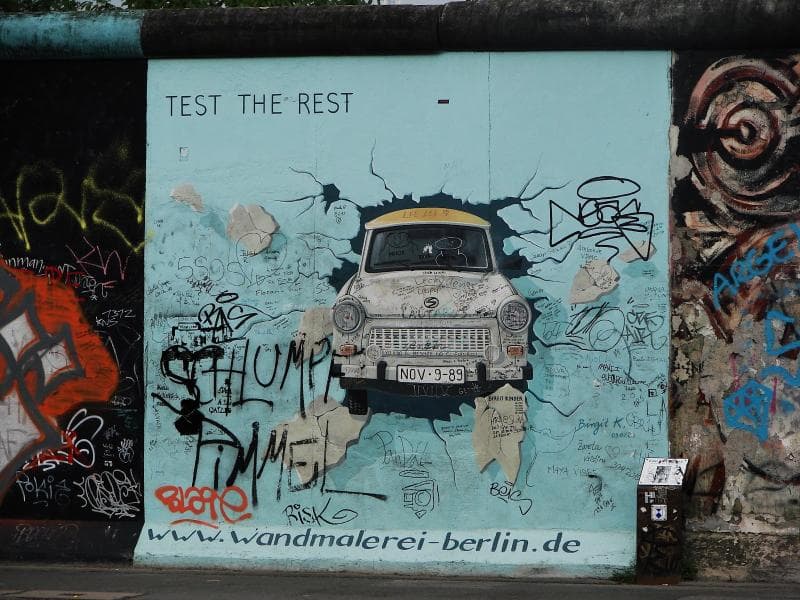
Explore the East Side Gallery in Berlin, Germany, the world's longest open-air gallery on a remnant of the Berlin Wall, showcasing art, history, and freedom.
Overview
The East Side Gallery in Berlin, Germany, is not merely a collection of artworks; it is a monumental stretch of history, transformed into the world's longest open-air gallery. Spanning 1.3 kilometers along the Spree River between Ostbahnhof and Oberbaumbrücke, this iconic site is the longest remaining section of the former Berlin Wall. It serves as a powerful and vibrant testament to freedom, hope, and the profound changes that swept across Europe in 1989 and 1990. Millions of visitors each year walk along this historic concrete canvas, engaging with its diverse artistic expressions and the weighty narratives they convey. The gallery's open-air nature allows for round-the-clock access, inviting contemplation at any hour.
History & Cultural Background
The East Side Gallery's creation was a direct response to the euphoria and optimism that followed the fall of the Berlin Wall on November 9, 1989, ending 28 years of division. In the spring of 1990, just before German reunification, 118 artists from 21 countries were invited to paint murals on the eastern side of this section of the Wall. This initiative transformed a symbol of oppression and separation into a monument of art and peace. The artists' works captured the prevailing mood of the time, expressing joy at the Wall's collapse, hopes for a peaceful and democratic future, and reflections on the Cold War's end. In November 1991, recognizing its immense historical and cultural significance, the East Side Gallery was officially declared a monument, preserving it for future generations.
What Makes It Special
What makes the East Side Gallery truly special is its dual identity as both a historical relic and a dynamic art space. It is arguably the largest and longest-lasting open-air gallery globally. The art here isn't just decoration; it's a profound commentary on political change, societal issues, and universal themes of freedom and unity. Each of the more than 100 paintings tells a story, making the Wall a canvas for collective memory and individual expression. Famous pieces, like Dimitri Vrubel's 'Fraternal Kiss' depicting Brezhnev and Honecker, and Birgit Kinder's Trabant breaking through the Wall, have become iconic images of Berlin. The gallery's continuous exposure to the elements and the public necessitates ongoing preservation efforts, with restorations ensuring that the vibrant messages endure. Since 2018, the Berlin Wall Foundation has overseen its preservation, offering educational programs to deepen visitor understanding.
Stories, Fun Facts & Local Details
The spirit of the East Side Gallery is deeply rooted in the stories of its creation. Artists from around the world converged here, turning a former 'death strip' into a vibrant declaration of new beginnings. The initial idea came from artists David Monty and Heike Stephan, who envisioned turning the Wall into the 'world's largest gallery'. Their proposal gained approval from the GDR Council of Ministers, leading to this extraordinary project. While many original murals have been restored or repainted due to weathering and vandalism, the essence and powerful messages remain, ensuring the continuous relevance of this historical site. The gallery stands as a 'material evidence of the fight against oppression' and a reference for generations who did not experience the division. It's a place where contemporary art meets political activism, offering a unique glimpse into a pivotal moment in history.
Visitor Perspective
Walking the length of the East Side Gallery is an immersive experience. It's a journey through art, history, and emotion. The pathway along the gallery is easily accessible, making it suitable for all visitors, including those in wheelchairs. While the gallery is open around the clock, visiting during off-peak hours, such as before noon or after 4 PM, can offer a more tranquil experience, allowing for deeper reflection without the busiest crowds. The East Side Gallery encourages visitors to take their time, absorb the messages, and consider the historical context. It acts as a powerful 'viewing platform' for understanding Berlin's past, its journey to reunification, and the universal yearning for freedom. Many visitors find themselves pausing at various murals, reflecting on the historical significance and the artists' messages, often taking photographs to capture the vibrant history. Information centers and guided tours are available for those seeking a more in-depth understanding of the artworks and the Wall's history.
Coordinates: 13.4396953, 52.5050224
View on Google Maps💬 How Travelers Describe This Place
Based on community votes
Beautiful
848Must See
830Unique
797Photogenic
770Interesting
100
Traveler Stories
Discover memorable experiences shared by travelers who have visited this place.
No traveler stories yet.
Be the first traveler to share what made this place memorable.

Tour
By
Spot
Discover amazing places around the world. Your journey starts here.
Explore
© 2026 TourBySpot. All rights reserved.