Viewing Area
Tallinn, Estonia
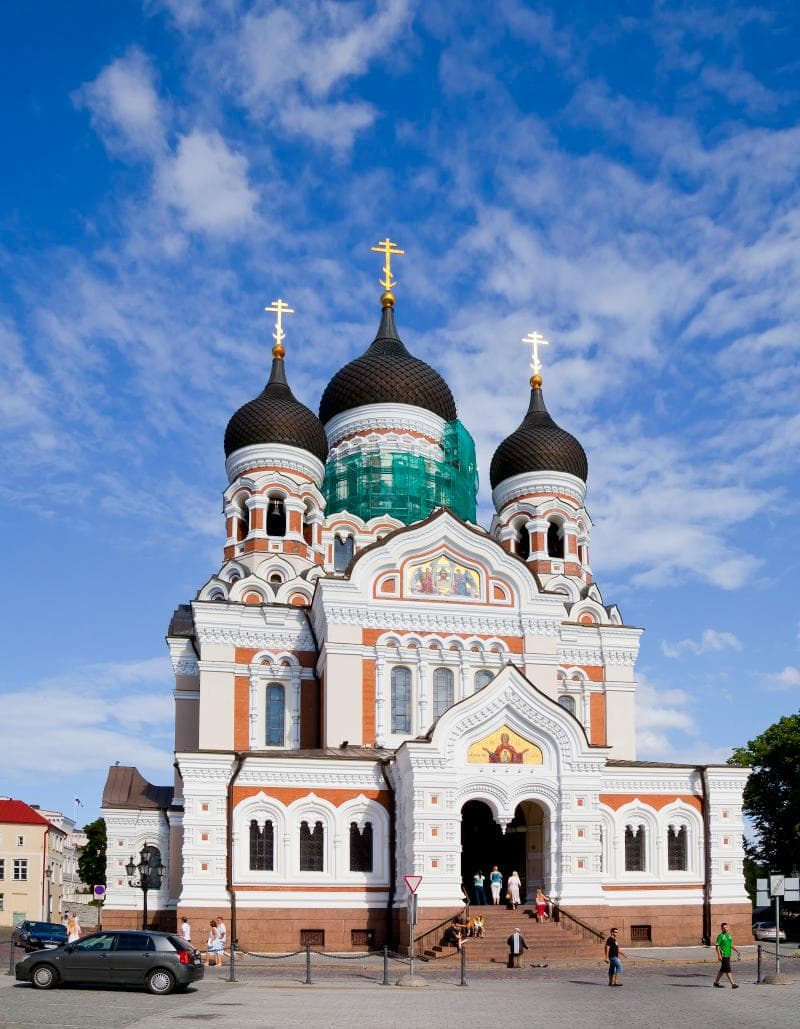
Explore the opulent interior of the Alexander Nevsky Cathedral in Tallinn, Estonia. Discover its rich mosaics, frescoes, and iconic history.
Overview
Stepping into the Alexander Nevsky Cathedral in Tallinn, Estonia, transports visitors into a world of vibrant Russian Orthodox artistry and profound historical significance. Perched majestically atop Toompea Hill, this stunning edifice, with its distinctive onion domes, offers not just a visual spectacle from the outside, but an equally rich and immersive experience within its walls. The interior itself serves as a grand 'viewing area,' a space designed to inspire awe and reflection through its intricate decorations and spiritual ambiance. Here, amidst the glimmer of gold and the scent of incense, one can truly appreciate the meticulous craftsmanship and the deep cultural layers that define this iconic landmark in the heart of Estonia's capital.
History & Cultural Background
The Alexander Nevsky Cathedral was constructed between 1894 and 1900, during a period when Estonia was part of the Russian Empire. Designed by the renowned Russian architect Mikhail Preobrazhensky, it exemplifies the elaborate Russian Revival style, a stark contrast to the medieval architecture prevalent in much of Tallinn's Old Town. The cathedral was built as a deliberate symbol of imperial power and the Orthodox faith, strategically placed directly opposite Toompea Castle, the seat of the Estonian Parliament. This assertive presence stirred considerable controversy, particularly after Estonia gained independence in 1918, leading to repeated discussions and even proposals for its demolition throughout the 1920s and 1930s. Despite its contentious origins, the cathedral endured, even surviving periods of neglect during the Soviet era. Following Estonia's regained independence in 1991, it underwent meticulous restoration, cementing its status not only as an active place of worship for the Estonian Orthodox Church of the Moscow Patriarchate but also as a significant historical and architectural treasure.
What Makes It Special
The true majesty of the Alexander Nevsky Cathedral lies within its lavish interior, which serves as a breathtaking visual 'viewing area' for its spiritual and artistic grandeur. As you step inside, your gaze is immediately drawn to the high vaulted ceilings, adorned with ornate patterns and religious motifs that shimmer under the soft glow of elaborate chandeliers. The nave is a symphony of richly decorated icons, intricate mosaics, and vivid frescoes depicting saints and biblical scenes. At the heart of this splendor is the iconostasis, a magnificent screen embellished with intricate carvings and gilded details, separating the sanctuary from the main worship area. The cathedral also boasts an impressive ensemble of eleven bells, cast in Saint Petersburg, with the largest weighing approximately 16 tons. When these bells toll, particularly during major church holidays, their powerful and solemn sound resonates across Toompea Hill and throughout the city, a truly unique auditory experience often referred to as 'Scripture in Sound'.
Stories, Fun Facts & Local Details
The Alexander Nevsky Cathedral's story is deeply intertwined with Estonia's complex national identity. For many Estonians, the cathedral long stood as a poignant reminder of Russian imperial rule, rather than a spiritual landmark. The intense debates in the early 20th century about its potential demolition speak volumes about these historical sentiments. It's a testament to the cathedral's architectural beauty and the strong opposition from the Orthodox community that it was ultimately preserved. Today, it embodies a fascinating paradox: a stunning piece of Russian art and architecture situated in the heart of a predominantly Lutheran nation, acting as a vibrant center for Orthodox worship. Its presence on Toompea Hill creates a striking visual dialogue with the adjacent, more austere Toompea Castle, symbolizing centuries of interwoven, often conflicting, histories. Visitors might also notice the exceptional acoustics within the cathedral, making it a favored venue for choral performances, adding another layer to its cultural significance.
Visitor Perspective
Visiting the interior of the Alexander Nevsky Cathedral is a profound experience, inviting quiet contemplation. As you explore the main nave, you become part of an active place of worship. Modest dress is requested out of respect, meaning shoulders and knees should be covered. While the exterior is a photographer's delight, photography inside the cathedral is generally prohibited, encouraging visitors to immerse themselves fully in the present moment and absorb the spiritual atmosphere without distraction. The air often carries the faint, sweet scent of incense and beeswax, and during services, the melodic chants create an ethereal ambiance. For those interested in a different perspective, some tours offer the opportunity to climb the bell tower, which, while not providing a direct view *into* the cathedral's interior, offers breathtaking panoramic views of Tallinn's red-tiled rooftops, spires, and the Baltic Sea, tying the cathedral experience to the broader cityscape. Whether attending a service or simply marveling at its artistry, a visit to this 'viewing area' within the Alexander Nevsky Cathedral is a memorable journey through faith, art, and history.
Coordinates: 24.739319, 59.435728
View on Google Maps💬 How Travelers Describe This Place
Based on community votes
Photogenic
989Must See
791Interesting
613Beautiful
514Unique
207
Traveler Stories
Discover memorable experiences shared by travelers who have visited this place.
No traveler stories yet.
Be the first traveler to share what made this place memorable.

Tour
By
Spot
Discover amazing places around the world. Your journey starts here.
Explore
© 2026 TourBySpot. All rights reserved.