Via Sacra
Rome, Italy
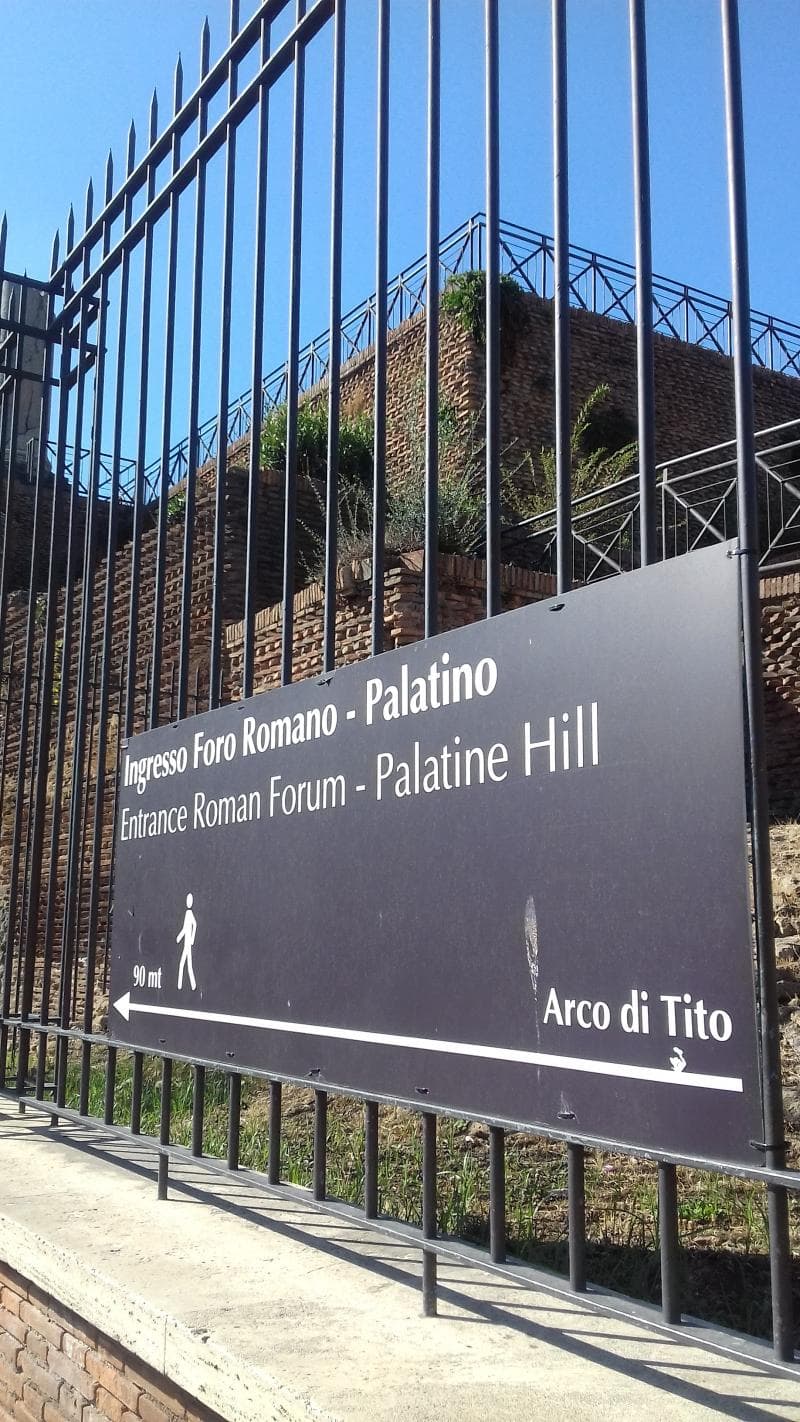
Explore the Via Sacra, the ancient 'Sacred Way' in Rome, Italy's Roman Forum. Discover its rich history, cultural significance, and fascinating stories.
Overview
Nestled within the sprawling archaeological marvel of the Roman Forum in Rome, Italy, lies the Via Sacra, often referred to as the 'Sacred Way'. This ancient road was not merely a path but the principal thoroughfare of ancient Rome, serving as the literal and symbolic heart of the city's public life. It winds its way from the Capitoline Hill, through the Roman Forum, and historically led towards the Colosseum, connecting many of the most significant religious and civic monuments of the Roman Empire. Today, visitors can walk upon its original basalt paving, a tangible connection to the footsteps of emperors, priests, and ordinary Romans from millennia past.
The Via Sacra provided the stage for grand processions, daily commerce, and solemn religious rites, embodying the grandeur and spiritual significance of ancient Rome. It offers a unique window into the daily rhythm and monumental events that shaped one of history's greatest civilizations. Exploring this 'Sacred Way' allows for an immersive journey, inviting imagination to fill the spaces where temples once stood tall and vibrant life once bustled.
History & Cultural Background
The Via Sacra boasts a history stretching back to the 6th century BC, making it one of Rome's oldest streets. Its earliest purpose was as a vital route connecting various sacred sites within the Roman Forum, hence its name, 'Sacred Way'. Over centuries, as Rome expanded and its infrastructure grew more sophisticated, the road evolved. Initially, the area it traversed was marshland, which was eventually drained using one of the world's first sewer systems, the Cloaca Maxima, paving the way for the Forum's development.
The road was eventually paved, and during Emperor Nero's reign, it was even adorned with colonnades, transforming it into an even grander avenue. A significant redirection of its eastern stretch occurred after the Great Fire of Rome in 64 AD, leading it beneath the Arch of Titus. This ancient route was central to Roman triumphs, magnificent parades where victorious generals and emperors paraded their spoils and captives, culminating in sacrifices at the Temple of Jupiter on Capitoline Hill. Beyond these spectacular events, the Via Sacra was woven into the fabric of everyday Roman life, a place where citizens gathered, conducted business, sought justice, and engaged in political discourse.
What Makes It Special
The Via Sacra's unparalleled historical depth and its role as the axis of ancient Rome make it truly special. It is not just a road; it is a timeline etched in stone, where every step echoes with momentous events. Walking its length, one can observe the carriage wheel ruts still visible in some of the ancient paving stones, a direct imprint of the bustling activity it once facilitated.
It served as the primary connection between many iconic structures, including the House of the Vestals, the Temple of Saturn, and the Arch of Titus. These ruins, lining the Via Sacra, tell stories of devotion, power, and daily existence. The Via Sacra allowed Romans to move between the political heart (the Forum), the religious centers (various temples), and the grand celebratory arches. This continuous stream of life, from sacred processions to casual strolls, solidified its 'sacred' status and central importance.
Stories, Fun Facts & Local Details
- The Emperor's Last Journey: The Via Sacra played a solemn role in the apotheosis ceremony, where deceased Roman emperors were formally deified. Their bodies, often concealed under wax death masks, were carried on palls down the Via Sacra into the Forum for funeral orations before proceeding to the Campus Martius.
- A Gathering Place for All: Beyond formal ceremonies, the Via Sacra was a vibrant public space. It was common to see people gathering to chat, throw dice, or conduct business in the basilicas lining the street. It was truly a cross-section of Roman society.
- Julius Caesar's Funeral: One of the most famous funeral orations in history took place in the Roman Forum, following Julius Caesar's assassination. While the procession itself traversed the Via Sacra, the powerful speeches that stirred the Roman populace happened on the Rostra, a platform within the Forum.
- Architectural Testament: The Arch of Titus, a monumental triumphal arch, stands prominently along the Via Sacra. It commemorates Rome's victory in the siege of Jerusalem in 70 AD, with detailed reliefs depicting the spoils, including the Menorah, being carried off by Roman soldiers.
Visitor Perspective
Visiting the Via Sacra today is an essential part of exploring the Roman Forum, offering a profound sense of connection to ancient history. As you traverse its worn stones, it's easy to imagine the throngs of people who once walked the same path. However, be prepared for uneven surfaces; comfortable, supportive footwear is highly recommended for navigating the ancient terrain. The area also offers little shade, so sunscreen, a hat, and plenty of water are advisable, especially during warmer months. Plan to spend a significant amount of time here, at least 2 to 3 hours for the Roman Forum and Palatine Hill combined, to fully absorb the history and grandeur of this remarkable site.
Coordinates: 12.48523, 41.89211
View on Google Maps💬 How Travelers Describe This Place
Based on community votes
Must See
872Beautiful
684Unique
363Interesting
250Photogenic
88
Traveler Stories
Discover memorable experiences shared by travelers who have visited this place.
No traveler stories yet.
Be the first traveler to share what made this place memorable.

Tour
By
Spot
Discover amazing places around the world. Your journey starts here.
Explore
© 2026 TourBySpot. All rights reserved.