Via dei Condotti
Rome, Italy
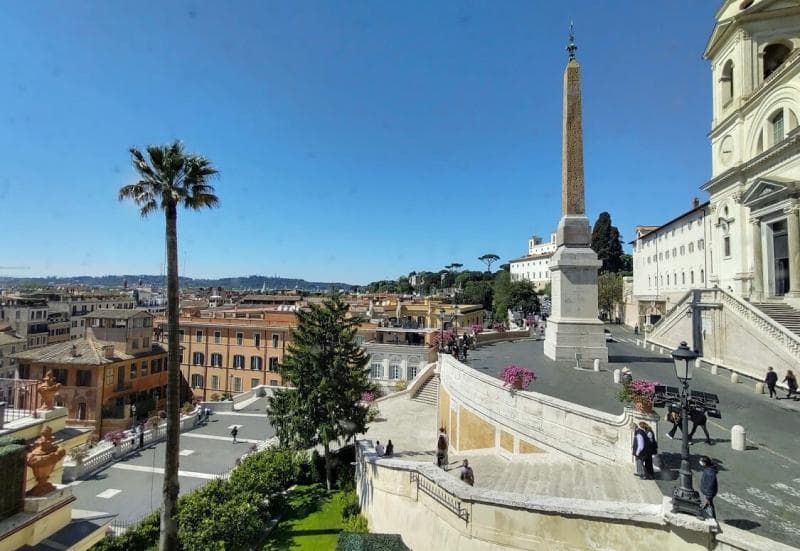
Explore Via dei Condotti, Rome's prestigious luxury shopping street by the Spanish Steps. Discover its rich history, designer boutiques, and cultural landmarks in Italy.
Overview
Nestled in the heart of Rome, Italy, just steps from the iconic Spanish Steps, lies Via dei Condotti. This elegant street is a world-renowned destination, celebrated for its luxurious atmosphere and its prestigious array of high-end fashion boutiques. Stretching from the foot of the Spanish Steps at Piazza di Spagna to Largo Carlo Goldoni, Via dei Condotti offers a unique blend of historical grandeur and contemporary sophistication. It is more than just a shopping street; it's a vibrant thoroughfare that invites visitors to stroll, explore, and immerse themselves in the refined essence of the Eternal City. Regarded as one of Europe's most expensive streets, it attracts fashion enthusiasts and curious travelers alike, all seeking to experience the finest in Italian luxury and culture.
The street's prime location makes it an essential part of any Roman itinerary, easily accessible and perfectly positioned for further exploration of nearby historical landmarks. From its ancient origins as a vital water conduit to its present-day status as a global fashion capital, Via dei Condotti embodies Rome's enduring charm and its remarkable ability to seamlessly weave past and present into a rich tapestry of experiences.
History & Cultural Background
The story of Via dei Condotti is deeply rooted in Rome's ancient infrastructure and Renaissance-era development. Its name, 'Condotti,' derives from the Latin word 'conductus,' referring to the conduits or channels of the Aqua Virgo aqueduct. Constructed in 19 BCE by the Roman censor Agrippa, this engineering marvel supplied fresh water to ancient Rome, feeding public baths, fountains, and private homes. These underground and elevated channels were crucial to the city's vitality, and the street itself was once an integral part of this ancient water system.
By the 16th century, as Rome underwent significant transformation during the Renaissance, the area around Via dei Condotti became a prominent focus for urban renewal. Under the pontificate of Pope Paul III, and later extended by Pope Julius III, the street evolved from a utilitarian passage into a prestigious address. It was initially known as Via Trinitatis, acknowledging its connection to the church of Trinità dei Monti. Over centuries, it transitioned from a modest medieval settlement into a baroque masterpiece, reflecting the cultural and architectural advancements of the time.
The 18th century marked another significant period for Via dei Condotti, as it blossomed into a bustling cultural and social hub. In 1760, the renowned Antico Caffè Greco was established, quickly becoming a favored gathering place for intellectuals, artists, and writers. Luminaries such as Johann Wolfgang von Goethe, Stendhal, Lord Byron, and John Keats often frequented this historic cafe, engaging in lively discussions on art, philosophy, and literature. Even Guglielmo Marconi, the inventor of radio, resided at Via dei Condotti 11 until his passing in 1937, further cementing the street's place in cultural history.
What Makes It Special
Via dei Condotti stands out as Rome's ultimate expression of luxury and refined taste. Often likened to 'Italy's Rodeo Drive,' it is the undisputed epicenter of high-end fashion in the Eternal City. The street is home to the flagship boutiques of the world's most prestigious fashion houses, including Gucci, Prada, Louis Vuitton, Valentino, Fendi, Dior, Bulgari, Hermès, and Armani, among many others. Each store is often housed within a stately Roman palazzo, transforming the act of shopping into an elegant experience.
Beyond the allure of haute couture, what makes Via dei Condotti truly special is its seamless fusion of history and modern sophistication. Walking its length, visitors are not merely engaging in retail therapy; they are strolling through a living museum where ancient Roman echoes blend with contemporary design. The street's pedestrian-friendly nature encourages leisurely exploration, allowing one to appreciate the intricate architecture, the carefully curated window displays, and the palpable sense of history that permeates every corner. It's a place where timeless elegance isn't just displayed, but truly experienced.
Stories, Fun Facts & Local Details
One of the most charming elements of Via dei Condotti is the Antico Caffè Greco, established in 1760. This venerable establishment holds the distinction of being the oldest café in Rome and the second oldest in Italy. Stepping inside feels like traveling back in time, with its red damask, velvet, and gold-framed oil paintings. It's easy to imagine the centuries of conversations that unfolded within its walls, hosting literary giants and artists who sought inspiration and intellectual exchange. Even if not purchasing anything, a visit for an espresso offers a profound connection to Rome's rich cultural past.
The street itself is a 'Roman runway,' where the architecture and atmosphere are as captivating as the fashion. Window shopping here is often compared to visiting an exclusive art gallery, with each display meticulously curated to be a masterpiece. Keep an eye out for impressive sports cars that occasionally grace the street, adding to the glamorous ambiance. A famous, somewhat amusing, anecdote involves fashion designer Valentino's lawsuit in 1986 to prevent a McDonald's from opening near the Spanish Steps, citing 'noise and disgusting odours.' Despite his objections, the fast-food giant ultimately succeeded. From the west end of the street, the framing of the Spanish Steps creates a legendary, photogenic vista, especially captivating in the golden hour light, reflecting the grandeur of the Trinità dei Monti church in the background.
Visitor Perspective
For the curious traveler, Via dei Condotti offers an unforgettable Roman experience. Its central location, directly at the foot of the Spanish Steps, makes it an ideal starting point for exploring Rome's historic center. The easiest way to reach it is by taking Metro Line A to the 'Spagna' station, which brings you right to the vibrant Piazza di Spagna.
As a pedestrian zone, the street is best enjoyed on foot, allowing ample opportunity to absorb its unique charm. While the luxury boutiques cater to a high-end clientele, a stroll through Via dei Condotti is a sensory journey in itself, regardless of whether you make a purchase. Many visitors find immense pleasure in simply window shopping and admiring the exquisite craftsmanship. Be prepared for crowds, especially during peak tourist seasons, as its popularity ensures a lively atmosphere. It's always wise to be aware of your surroundings in busy areas. From Via dei Condotti, you are perfectly situated to explore other Roman treasures such as the Trevi Fountain, Piazza del Popolo, and the bustling Via del Corso, making it a cornerstone of any Roman adventure.
Coordinates: 12.4805, 41.9053
View on Google Maps💬 How Travelers Describe This Place
Based on community votes
Must See
996Unique
673Photogenic
186Beautiful
143Interesting
80
Traveler Stories
Discover memorable experiences shared by travelers who have visited this place.
No traveler stories yet.
Be the first traveler to share what made this place memorable.

Tour
By
Spot
Discover amazing places around the world. Your journey starts here.
Explore
© 2026 TourBySpot. All rights reserved.