Veronese Paintings
Venice, Italy
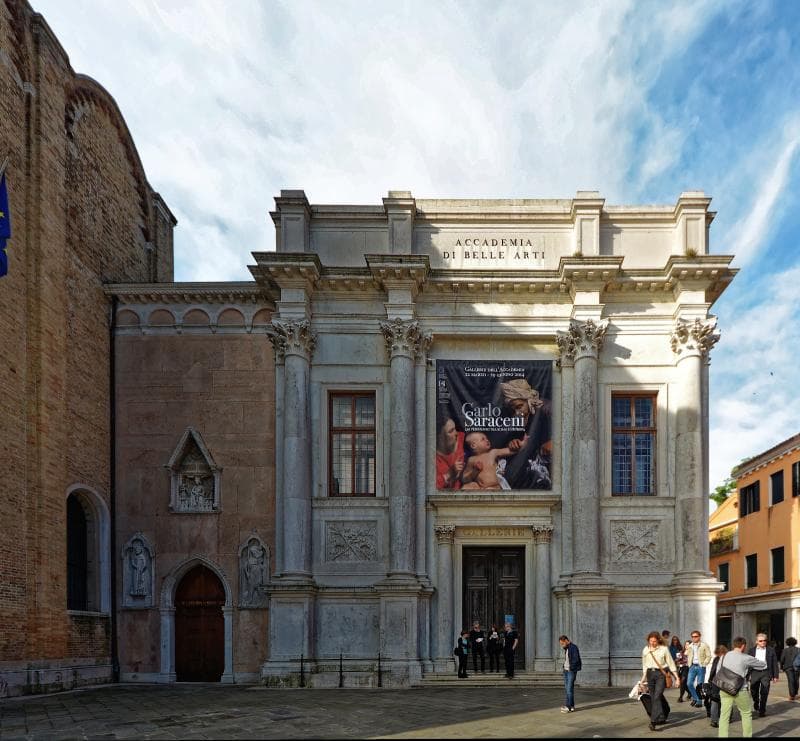
Explore the vibrant Veronese Paintings at Gallerie dell'Accademia in Venice, Italy, including the famous 'Feast in the House of Levi'. Discover Venetian Renaissance art.
Overview
The Gallerie dell'Accademia, nestled on the picturesque south bank of the Grand Canal in Venice, Italy, stands as a pivotal destination for anyone seeking to immerse themselves in the rich tapestry of Venetian art. This esteemed museum houses the world's most comprehensive collection of Venetian painting, spanning from the Byzantine-influenced origins of the 14th century through the glorious Renaissance and into the sparkling elegance of the 18th century. Among its many treasures, the works of Paolo Veronese shine brightly, offering a spectacular window into the grandeur and theatricality of 16th-century Venice. His monumental canvases, celebrated for their vibrant colors and dynamic compositions, are a highlight for visitors.
Paolo Caliari, known as Veronese, arrived in Venice from Verona in his early twenties around 1551 and quickly established himself among the city's artistic elite. His paintings, often of immense scale, capture the opulence and splendor that characterized Renaissance Venice. Visitors to the Gallerie dell'Accademia will encounter several of his significant works, with 'The Feast in the House of Levi' (originally titled 'The Last Supper') being a particularly compelling masterpiece that encapsulates his distinctive style and a fascinating historical narrative.
History & Cultural Background
The Gallerie dell'Accademia itself boasts a fascinating history. Established in 1750 as the art academy of Venice, it became an independent museum in 1879. The museum is housed within a complex of significant historical buildings: the former Scuola Grande di Santa Maria della Carità, its church, and the convent of the Lateran Canons. Much of its extensive collection was amassed following Napoleonic suppressions in the early 19th century, which saw art from churches, convents, and other religious institutions consolidated. This historical context enriches the experience of viewing works like Veronese's, many of which were originally commissioned for such religious settings.
Paolo Veronese's artistic journey is deeply intertwined with Venetian culture. He was a master of the Venetian school, known for prioritizing color and light in his dramatic and often crowded compositions. His move to Venice marked a turning point, allowing him to work on grand public and private commissions that suited his grandiose vision. His works reflect the lavish lifestyle and cultural sophistication of the Venetian Republic during its golden age, often transforming sacred narratives into magnificent spectacles that resonated with the city's love for pageantry.
What Makes It Special
Veronese's paintings are distinguished by their extraordinary sense of clarity, formal equilibrium, and brilliant colors, creating bold and dramatic scenography. He had a unique ability to weave theatrical rhetoric with lively moments of conviviality within monumental architectural settings. These characteristics are perhaps best exemplified in 'The Feast in the House of Levi', a colossal canvas measuring approximately 5.55 meters high and 12.80 meters wide.
Originally conceived as a 'Last Supper' for the refectory of the Basilica of Santi Giovanni e Paolo, its size and the wealth of detailed figures are immediately striking. Veronese's interpretation, however, became the subject of intense scrutiny by the Holy Inquisition in 1573. The inclusion of 'buffoons, drunken people, dwarves, and even a slave with a nosebleed' was deemed inappropriate for a sacred theme. Instead of altering the painting, Veronese famously defended his artistic license and simply changed its title to 'The Feast in the House of Levi', transforming the sacred meal into a less strictly interpreted convivial banquet hosted by the tax collector Levi. This audacious move highlights the tension between artistic freedom and religious dogma during the Counter-Reformation.
Stories, Fun Facts & Local Details
The Inquisition trial of Paolo Veronese in 1573 remains one of the most famous anecdotes in art history. During the questioning, Veronese wittily argued that painters take the 'same license as do poets and madmen... for ornament'. He maintained that when he had 'some space left over in a picture', he would 'adorn it with figures of my own invention'. His defense ultimately led to the painting's renaming, a pragmatic solution that allowed the masterpiece to remain intact.
This episode not only provides a humorous insight into Veronese's character but also offers a rare glimpse into the cultural dynamics of 16th-century Venice. The painting itself is a vibrant snapshot of Venetian life, with its opulent setting, rich costumes, and diverse cast of characters from various social backgrounds. Observing the multitude of details – from the architecture reminiscent of a Palladian-style building to the expressions of the different attendees – gives visitors a true sense of the period's society and aesthetics. The painting truly feels like a grand stage where every character plays a part in this magnificent banquet scene.
Visitor Perspective
Stepping into the hall where Veronese's 'The Feast in the House of Levi' is displayed is an awe-inspiring experience. The sheer scale of the canvas commands immediate attention, drawing viewers into its bustling scene. Its vivid colors, meticulous details, and the palpable energy of the figures create an immersive environment. Visitors often find themselves spending considerable time examining the different characters and narratives within the painting, uncovering new elements with each glance. It's an artwork that encourages close observation and contemplation, rewarding curiosity with a deeper understanding of Venetian Renaissance artistry and the cultural nuances of the time. The light and grandeur of Veronese's work offer an essential experience for any art lover, making it a truly unforgettable part of the Gallerie dell'Accademia visit.
Coordinates: 12.32806, 45.43139
View on Google Maps💬 How Travelers Describe This Place
Based on community votes
Must See
886Beautiful
564Unique
201Interesting
121Photogenic
87
Traveler Stories
Discover memorable experiences shared by travelers who have visited this place.
No traveler stories yet.
Be the first traveler to share what made this place memorable.

Tour
By
Spot
Discover amazing places around the world. Your journey starts here.
Explore
© 2026 TourBySpot. All rights reserved.