Underground Tunnels
Tirana, Albania
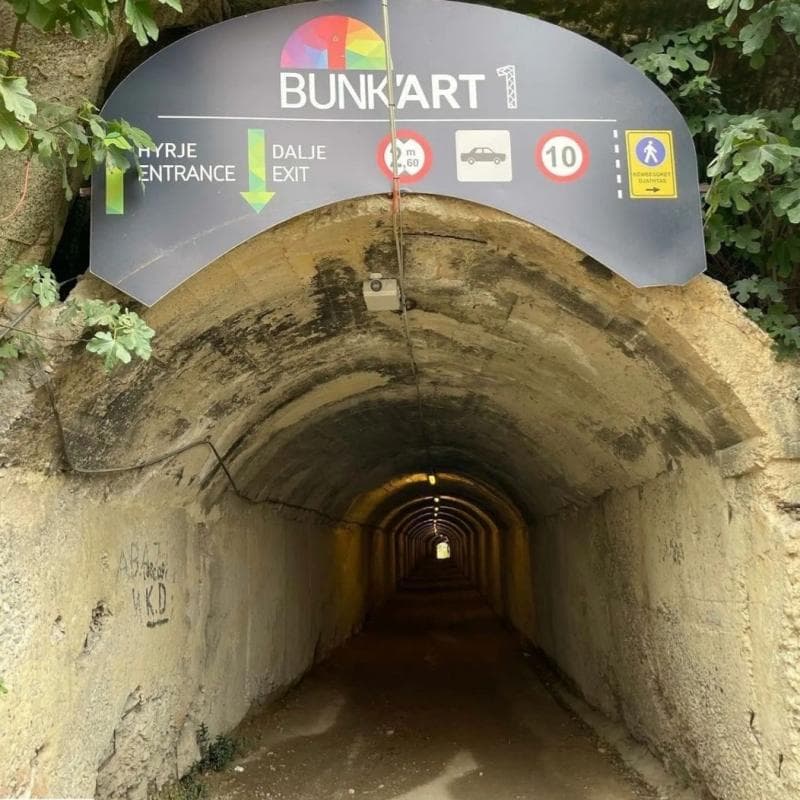
Explore the underground tunnels of Bunk'Art 1 in Tirana, Albania, a massive anti-nuclear bunker transformed into a powerful history and art museum.
Overview
Deep within the eastern hills on the outskirts of Tirana, Albania, lies a monumental relic of the Cold War era: the Underground Tunnels of Bunk'Art 1. This vast, five-story subterranean complex, originally codenamed 'Objekti Shtylla', was once a top-secret anti-nuclear bunker designed for Albania's political and military elite. Today, it has been transformed into one of Tirana's most compelling museums, offering visitors an immersive journey into the country's communist past and its struggles from World War II until the fall of communism in 1990. It combines historical exhibitions with contemporary art installations, providing a unique and thought-provoking experience.
History & Cultural Background
The construction of Bunk'Art 1 began in the 1970s under the direct orders of Albania's long-time communist dictator, Enver Hoxha. Driven by extreme paranoia and a deeply entrenched belief in an imminent nuclear attack or invasion, Hoxha embarked on a massive 'bunkerization' program, resulting in hundreds of thousands of bunkers scattered across the Albanian landscape. Bunk'Art 1 was the crown jewel of this defensive network, intended as a state-of-the-art shelter for Hoxha himself, his government, and the military high command. It remained a state secret even after Hoxha's death in 1985 and the fall of the communist regime. The bunker was never used for its intended purpose and was finally opened to the public as a museum in 2014, with permanent operations beginning in 2016.
What Makes It Special
What sets the Underground Tunnels of Bunk'Art 1 apart is its sheer scale and the palpable sense of history embedded within its concrete walls. This enormous fortified structure spans five underground levels and boasts over 100 rooms, all connected by long, eerie passages. Unlike a conventional museum, visitors literally step into the past, walking through the same corridors and chambers that were once prepared for the communist elite. The museum masterfully uses these authentic spaces to house exhibitions that detail Albania's political and military history from 1939 to 1991, showcasing the impact of World War II and the communist era.
Stories, Fun Facts & Local Details
- A Dictator's Sanctuary: Enver Hoxha had private, relatively luxurious rooms prepared for himself, complete with a living area, study, bedroom, and bathroom. Ironically, these rooms were never used. Visitors can even pick up a telephone receiver in his former office to hear a looped recording of Hoxha's voice, adding a chillingly personal touch to the experience.
- The Unused Fortress: Despite the immense resources and effort poured into its construction, Bunk'Art 1 never fulfilled its primary function as a wartime shelter. The long-feared invasion or nuclear attack never came, leaving this massive complex a testament to a regime's paranoia.
- Hidden in Plain Sight: For decades, the existence of this vast bunker was unknown to the Albanian public. Access was strictly controlled, and new entrance/exit tunnels had to be constructed in 2014 to open it up for public visits.
- Comfort in the Cold: Be prepared for a significant temperature drop as you descend into the bunker. The underground environment maintains a cool 16°C (approximately 61°F) year-round, a stark reminder of its original purpose.
- More Than a Museum: Beyond its historical exhibits, Bunk'Art 1 also serves as a cultural center, hosting contemporary art installations, concerts, and various events, creating a striking contrast between its dark past and vibrant present.
Visitor Perspective
Exploring the underground tunnels of Bunk'Art 1 is an experience that leaves a lasting impression. The journey begins with passing through huge concrete and steel blast doors, designed to withstand nuclear shock waves, immediately setting an ominous tone. As you navigate the maze-like passageways and over 100 rooms, you'll encounter a meticulously preserved environment that offers a profound insight into Albania's isolation and the daily life under communist rule. From former command rooms to the general's private quarters and decontamination areas, each section tells a story through original artifacts, photographs, and multimedia installations. It's recommended to allocate at least two to three hours to fully immerse yourself in this compelling historical narrative. The atmosphere is often described as disquieting, yet incredibly educational, making it a 'must-see' for anyone wishing to understand the complex history that shaped modern Albania.
Coordinates: 19.8973, 41.3571
View on Google Maps💬 How Travelers Describe This Place
Based on community votes
Unique
623Photogenic
545Interesting
343Beautiful
302Must See
88
Traveler Stories
Discover memorable experiences shared by travelers who have visited this place.
No traveler stories yet.
Be the first traveler to share what made this place memorable.

Tour
By
Spot
Discover amazing places around the world. Your journey starts here.
Explore
© 2026 TourBySpot. All rights reserved.