Underground Meeting Rooms
Ho Chi Minh City, Vietnam
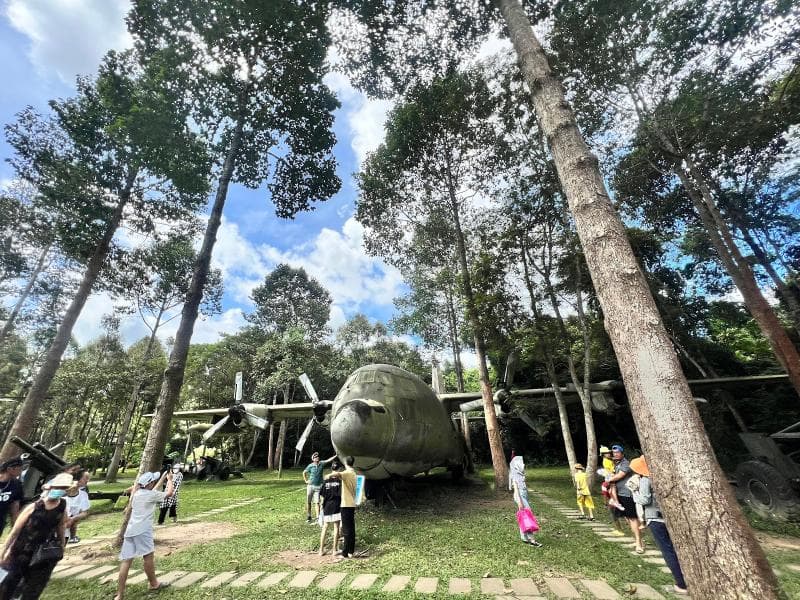
Explore the Underground Meeting Rooms at Cu Chi Tunnels in Ho Chi Minh City, Vietnam. Discover wartime history and strategic planning.
Overview
Deep within the extensive network of the Cu Chi Tunnels, an iconic historical site located in Ho Chi Minh City, Vietnam, lie the 'Underground Meeting Rooms'. These subterranean chambers were an integral part of the Viet Cong's strategic operations during the Vietnam War, known locally as the American War. Far from being mere hiding spots, these rooms served as critical command centers, planning hubs, and communication nodes within the sprawling underground city. Visiting these unique spaces offers a profound glimpse into the ingenuity, resilience, and strategic depth of those who lived and fought underground. They stand today as a powerful testament to Vietnam's indomitable spirit.
History & Cultural Background
The origins of the Cu Chi Tunnels date back to 1948, initially constructed during Vietnam's resistance against French colonial authority. These early, rudimentary tunnels provided shelter and storage for revolutionary forces. However, it was during the Vietnam War (1955-1975) that the tunnel system saw its most significant expansion, evolving into an elaborate, multi-layered complex stretching over 200 kilometers. The 'Underground Meeting Rooms' were a vital component of this expansion, serving as secret locations where Viet Cong leaders, often with little more than oil lamps for illumination, convened to plan military campaigns. Notably, the pivotal Tết Offensive in 1968, a series of surprise attacks across South Vietnam, was meticulously orchestrated within these very chambers. They were indispensable for coordinating guerrilla warfare, transmitting orders, and maintaining morale, forming the strategic heart of the 'underground city' that included hospitals, kitchens, and living quarters.
What Makes It Special
What sets the 'Underground Meeting Rooms' apart is their profound strategic significance and the sheer ingenuity involved in their creation and use. These were not random cavities but meticulously planned spaces designed for critical leadership functions. Located deep within the three-tiered tunnel system, they offered a secure and clandestine environment for strategic discussions and decision-making, away from the constant threat of enemy surveillance and bombardment. Visitors often encounter recreated setups featuring large, standing maps, illustrating how these rooms were used to visualize and plan complex operations across the vast, intricate network. Their existence underscores an extraordinary level of human determination and resourcefulness, allowing the Viet Cong to sustain prolonged resistance against technologically superior forces. These rooms symbolize not just survival, but effective governance and command under the most extreme conditions.
Stories, Fun Facts & Local Details
Life within the Cu Chi Tunnels, including the meeting rooms, was characterized by immense hardship. Soldiers and civilians faced cramped, dark, and often unhygienic conditions, contending with a lack of fresh air, food shortages, and constant psychological pressure. Yet, within these challenging confines, monumental decisions were made. Imagine the hushed, intense planning sessions for the Tết Offensive, where the fate of countless individuals and the course of the war hung in the balance. A testament to Vietnamese resourcefulness is the 'Hoang Cam stove,' used in underground kitchens connected to the meeting rooms. This innovative stove design used a clever system to disperse smoke through multiple vents, preventing detection from above – a critical detail for maintaining secrecy. The very act of digging these kilometers of tunnels by hand, often with rudimentary tools, is a remarkable feat of human endurance and collective effort. Today, visitors can experience a reenactment of these rooms, gaining a tangible connection to the historical events that unfolded there.
Visitor Perspective
Stepping into a reconstructed 'Underground Meeting Room' at the Cu Chi Tunnels today is a deeply immersive and reflective experience. While some sections of the tunnels and rooms have been slightly enlarged for visitor safety and accessibility, they still convey the restrictive and challenging nature of wartime underground life. As you navigate the narrow passages and enter these chambers, you can almost sense the solemnity and strategic intensity that once filled these spaces. It's a powerful opportunity to visualize the clandestine meetings, the hushed voices, and the critical decisions that were made in secrecy. Expert guides provide historical context, sharing stories that breathe life into the exhibits and enhance understanding of the immense resilience and strategic brilliance of the Vietnamese people. The visit is not merely a tour; it's a journey into a crucial chapter of history, leaving visitors with a profound appreciation for human tenacity and the extraordinary efforts made during conflict.
Coordinates: 106.5223, 11.0566
View on Google Maps💬 How Travelers Describe This Place
Based on community votes
Must See
922Unique
379Photogenic
225Beautiful
183Interesting
19
Traveler Stories
Discover memorable experiences shared by travelers who have visited this place.
No traveler stories yet.
Be the first traveler to share what made this place memorable.

Tour
By
Spot
Discover amazing places around the world. Your journey starts here.
Explore
© 2026 TourBySpot. All rights reserved.