Underground Hypogeum
Rome, Italy
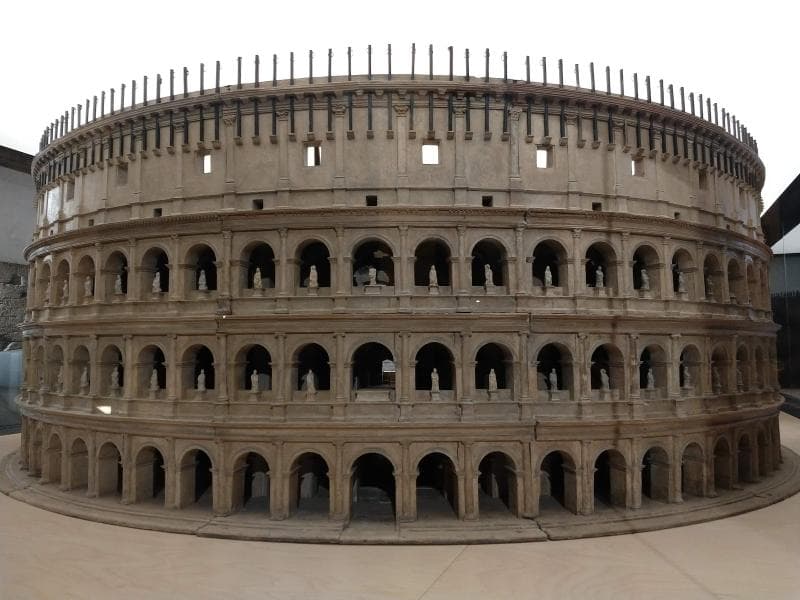
Explore the Underground Hypogeum, the Colosseum's hidden backstage, in Rome, Italy. Discover ancient Roman engineering, gladiator tunnels, and animal cages.
Overview
Beneath the thunderous roar of the crowds and the shifting sands of the arena floor, the Colosseum in Rome, Italy, held a profound secret: the Hypogeum. This subterranean network, whose name fittingly means 'underground' in Greek, was the complex and crucial backstage area for the grand spectacles of ancient Rome. Far from the public eye, this hidden world buzzed with activity, a dark labyrinth where gladiators, exotic animals, and elaborate stage props awaited their dramatic entrance into the arena above. To explore the Hypogeum today is to descend into the very heart of the Colosseum's operational genius, offering an unparalleled insight into the logistical marvels that made Roman entertainment possible.
History & Cultural Background
While the iconic Colosseum itself was inaugurated in 80 AD, its intricate underground system was not part of the original design. Emperor Domitian, about a decade after its initial completion, commissioned the construction of the Hypogeum, transforming the amphitheater's capabilities. Before this addition, the Colosseum could be flooded for spectacular *naumachiae*, or mock naval battles. However, Domitian's new underground infrastructure, with its complex network of tunnels and chambers, made such aquatic displays impossible. Instead, the Hypogeum allowed for vastly more sophisticated and elaborate land-based shows, dramatically increasing the spectacle. This 'engine room' of the arena was integral to the Roman Empire's projection of power and wealth through entertainment, facilitating the seamless flow of performers and scenery to astound tens of thousands of spectators. After the last gladiatorial games in the 5th century AD, the Hypogeum was abandoned and gradually buried by debris, its existence largely forgotten until archaeological excavations began in the 19th century, culminating in major clearing efforts in the 1930s.
What Makes It Special
The Colosseum's Hypogeum stands as a testament to Roman engineering ingenuity. It was a two-level network of interconnected tunnels, passages, and chambers, constructed from stone and brick masonry. This labyrinthine complex was far more than just a basement; it was a highly organized operational hub. The most remarkable feature was its sophisticated system of lifts and pulleys. Initially, there were around 28 lifts, a number that grew to over 60 by the 2nd century AD. These mechanisms were used to hoist gladiators, wild animals, and stage sets from the depths of the Hypogeum directly onto the arena floor through trapdoors, creating sudden and awe-inspiring appearances. Corridors also connected the Hypogeum directly to the nearby Ludus Magnus, the gladiator training school, providing a discreet entry point for fighters. The design included various cells and holding areas for animals, ready to be unleashed into the arena, truly making it the 'backstage' of ancient Rome's greatest show.
Stories, Fun Facts & Local Details
Imagine the sensory overload within the Hypogeum. In the dim, often torch-lit darkness, hundreds of slaves toiled tirelessly, orchestrating the complex choreography of the games. The air would have been thick with the smell of animals – lions, tigers, bears, and even elephants, imported from distant lands – pacing anxiously in their cages. Gladiators, clad in their armor, would wait in tense anticipation, hearing the muffled roar of the crowd above, knowing their moment of glory or doom was imminent. The precise timing required to raise animals and elaborate scenery onto the arena floor was a marvel of coordination, akin to a massive, ancient stage production. It's said that some large animals were brought to the Colosseum at the last minute, while others were kept in the underground cages, often in cramped, windowless conditions. The Colosseum Hypogeum provides a tangible connection to the human and animal experiences behind the grand spectacle, a stark contrast to the cheering throngs above.
Visitor Perspective
Visiting the Underground Hypogeum today offers a unique and deeply immersive experience, often described as stepping behind the curtain of history. Unlike viewing the Colosseum from the seating tiers, descending into the Hypogeum allows you to walk through the very passages where gladiators and beasts once waited. You can trace the outlines of the lift shafts, envisioning the power and precision of the ancient machinery, and stand in areas where animals were once caged. This restricted access area provides a gladiator's-eye view, looking up at the vast expanse of the arena and imagining the blinding sunlight and the deafening cheers of 50,000 spectators. It transforms the abstract history into a palpable reality, making the Colosseum's brutal yet magnificent past profoundly tangible. It's a journey into the mechanics and the human drama that powered the greatest amphitheater of the Roman world, an experience that truly brings the entire monument to life.
Coordinates: 12.4922, 41.8902
View on Google Maps💬 How Travelers Describe This Place
Based on community votes
Beautiful
953Unique
658Photogenic
585Interesting
69Must See
22
Traveler Stories
Discover memorable experiences shared by travelers who have visited this place.
No traveler stories yet.
Be the first traveler to share what made this place memorable.

Tour
By
Spot
Discover amazing places around the world. Your journey starts here.
Explore
© 2026 TourBySpot. All rights reserved.