Underground Gallery
Astana, Kazakhstan
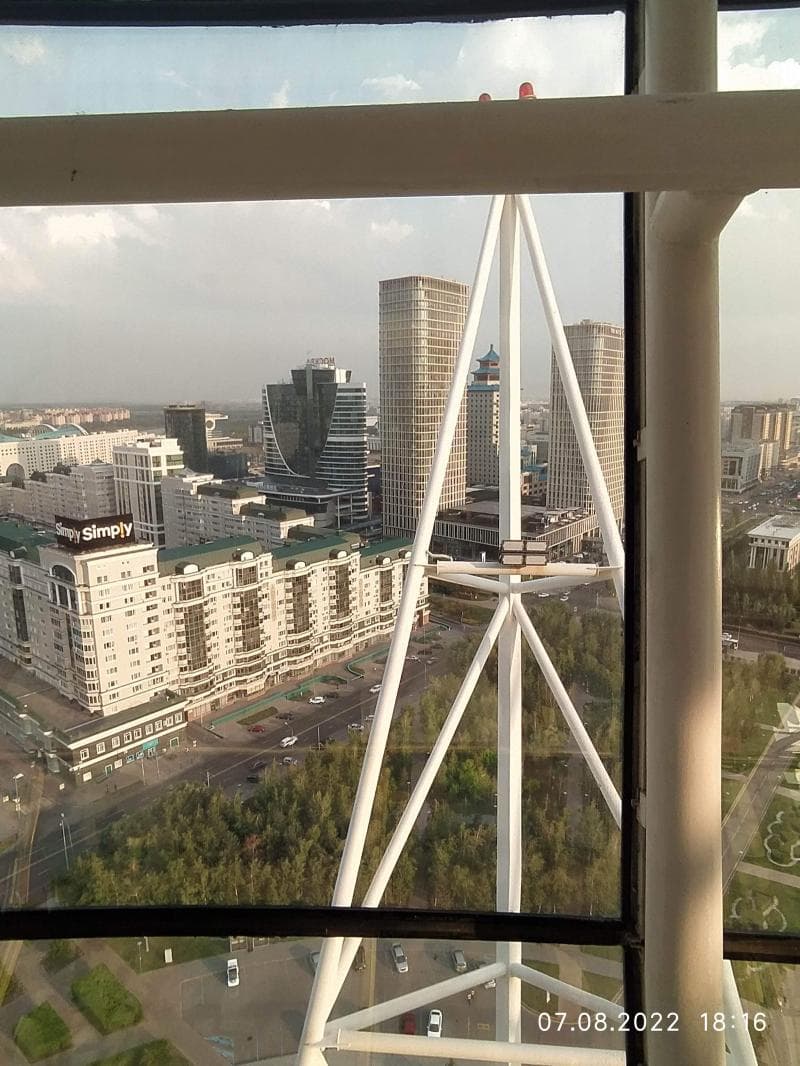
Explore the Underground Gallery at Bayterek Tower in Astana, Kazakhstan. Discover art, history, and cultural roots beneath the iconic monument.
Overview
Beneath the iconic Bayterek Tower in Astana, Kazakhstan, lies a fascinating sub-spot known as the Underground Gallery. This unique space forms part of what is symbolically referred to as the 'Underground Realm' of the monument, extending 4.5 meters below ground level. The Bayterek Tower itself stands as a powerful symbol of post-independence Kazakhstan, representing the nation's aspirations and the transfer of its capital to Astana in 1997. While the golden sphere at the tower's peak captures the imagination with its panoramic views, the Underground Gallery offers a different, more introspective experience, connecting visitors to the foundational layers of the tower's rich cultural narrative. This lower level is an integral part of the visitor experience, providing a space for art, relaxation, and a deeper understanding of the monument's symbolic roots.
History & Cultural Background
The Bayterek Tower, inaugurated in 2002, was conceived by the first President of Kazakhstan, Nursultan Nazarbayev, to mark the nation's new era after becoming independent and relocating the capital to Astana in 1997. Its design draws deeply from an ancient Kazakh folktale about the mythical World Tree of Life, known as Bayterek. According to this legend, a sacred bird named Samruk lays its golden egg, symbolizing the sun, life, and hope, in the branches of this tree. The tower's structure embodies this myth, with its narrow cylindrical shaft representing the tree, and the golden sphere atop it as the precious egg. The monument is philosophically divided into three realms: the Underground, the Earthly, and the Heavenly. The Underground Gallery, located in the lower level, visually represents the 'roots' of this World Tree, signifying the connection to ancestors and the deep historical foundations upon which modern Kazakhstan is built.
What Makes It Special
The Underground Gallery offers a distinctive contrast to the high-flying observation deck above. Unlike the bustling upper levels, this subterranean space provides a more serene environment where visitors can engage with Kazakh culture and art. It houses the 'Bayterek mini-gallery,' showcasing the works of acclaimed Kazakh artist Erbolat Tolepbay. This artistic dimension adds a layer of depth to the visitor's journey, allowing for cultural immersion beyond just architectural appreciation. In addition to the gallery, the lower level features a cafe, providing a spot for visitors to relax and reflect, and aquariums that display marine life, further diversifying the experience. The presence of these elements underscores the Bayterek's role as a comprehensive cultural hub, designed not only to impress but also to educate and entertain. This underground section is crucial for understanding the complete symbolic narrative of the Bayterek, representing the often unseen, yet vital, foundations of the 'Tree of Life' concept.
Stories, Fun Facts & Local Details
The name 'Bayterek' itself is rich with meaning, translating from Kazakh as 'tall poplar tree' or 'support'. Every design element of the tower holds symbolic significance. The observation deck's height at 97 meters deliberately commemorates 1997, the pivotal year when Astana was declared Kazakhstan's new capital. The massive golden sphere, which houses the main observation deck, measures 22 meters in diameter and weighs approximately 300 tons. Interestingly, some locals affectionately refer to the tower as 'Chupa Chups,' due to its resemblance to the popular lollipop. The Bayterek Tower's national importance is further highlighted by its appearance on the 10,000 Kazakhstani tenge banknote. It's also a popular local legend that the concept for the Bayterek was originally sketched by President Nazarbayev on a napkin, a testament to its deeply personal and national significance.
Visitor Perspective
For a curious traveler, a visit to the Underground Gallery offers a unique starting point for understanding the Bayterek Tower's profound symbolism. Before ascending to the panoramic heights, exploring the subterranean level allows one to grasp the 'roots' of the World Tree myth. The art exhibitions provide a tranquil space for cultural engagement, offering a different pace compared to the panoramic views above. Visitors can enjoy a coffee in the cafe or observe the aquariums, making for a well-rounded experience. This quiet exploration of art and symbolic foundations enhances the overall understanding and appreciation of the monument. It completes the journey, from the symbolic foundations of life underground to the expansive views from the 'egg of happiness' in the sky. While the entire Bayterek complex can typically be explored in about one to two hours, allocating time for the Underground Gallery ensures a complete and meaningful visit, allowing travelers to connect with both the modern ambition and ancient heritage of Kazakhstan.
Coordinates: 71.4305, 51.1283
View on Google Maps💬 How Travelers Describe This Place
Based on community votes
Photogenic
791Interesting
457Unique
252Must See
147Beautiful
19
Traveler Stories
Discover memorable experiences shared by travelers who have visited this place.
No traveler stories yet.
Be the first traveler to share what made this place memorable.

Tour
By
Spot
Discover amazing places around the world. Your journey starts here.
Explore
© 2026 TourBySpot. All rights reserved.