Twin Gothic Towers
London, United Kingdom
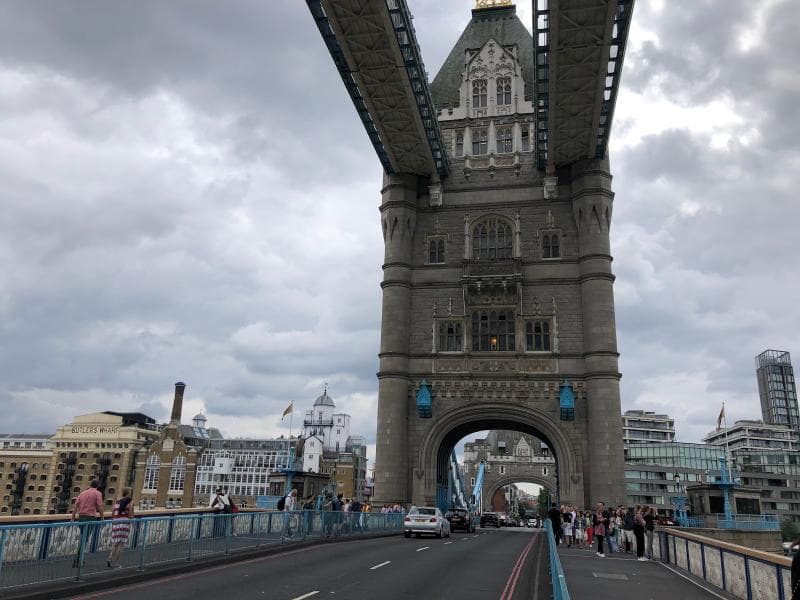
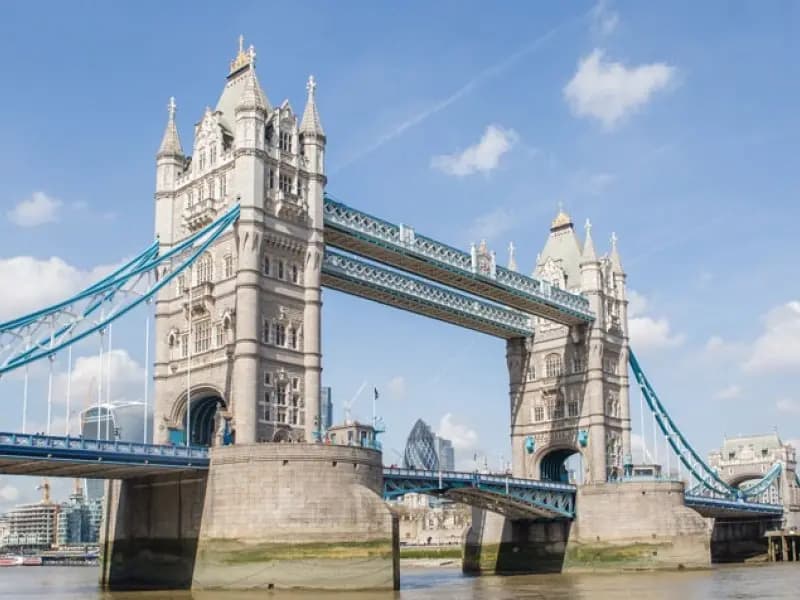
Explore the Twin Gothic Towers of Tower Bridge in London, United Kingdom. Discover its rich history, unique engineering, and breathtaking views.
Overview
Perched majestically over the River Thames in London, the Twin Gothic Towers form the iconic heart of Tower Bridge, one of the world's most recognizable landmarks. This Grade I listed structure, a marvel of Victorian engineering, seamlessly blends the functions of a bascule (drawbridge) and suspension bridge. Its distinctive towers, with their ornate Neo-Gothic design, rise proudly, anchoring the bridge's immense structure and housing the mechanisms that allow its central span to open for passing river traffic. More than just a functional crossing, these towers serve as a gateway to London's rich history and offer visitors an unparalleled perspective of the city from their high-level walkways, complete with thrilling glass floors.
History & Cultural Background
The construction of Tower Bridge, including its magnificent Twin Gothic Towers, began in 1886 and spanned eight years, culminating in its grand opening on June 30, 1894. Conceived by architect Horace Jones and engineered by John Wolfe Barry, the bridge was a monumental undertaking that cost over £1 million at the time, equivalent to more than £100 million today. The design was not merely functional; its Neo-Gothic architectural style was a deliberate choice to ensure it aesthetically complemented the nearby Tower of London, an ancient 11th-century fortress. This harmonious integration with London's historic skyline was a key stipulation for its construction. Initially, the bridge's powerful bascules were operated by steam-driven hydraulic engines. While the bridge was inaugurated by the Prince of Wales, representing Queen Victoria, Jones tragically passed away a year into construction, never witnessing his masterpiece completed.
What Makes It Special
The Twin Gothic Towers are not just ornamental; they are integral to Tower Bridge's unique engineering. Beneath their imposing stone facade of Cornish granite and Portland stone lies a robust steel framework, weighing over 11,000 tons, providing the structural integrity for this complex bascule and suspension bridge. Rising 61 meters (200 feet) above the Thames, the towers support the famous high-level walkways. These walkways, once designed as cantilever bridges and later converted to suspension bridges, offer breathtaking panoramic views of London. They feature modern glass floors installed in 2014, allowing visitors to look directly down onto the bustling road and river below, an experience that combines historical grandeur with a touch of modern thrill. The towers also house lifts that transport visitors to these elevated perspectives, ensuring accessibility for all.
Stories, Fun Facts & Local Details
Tower Bridge holds a trove of fascinating stories. Despite its medieval appearance, it is significantly younger than the Tower of London, which often leads to confusion between the two landmarks. Interestingly, the bridge's original color was a 'bright chocolate' brown, believed to be Queen Victoria's favorite, before being repainted in its iconic red, white, and blue for Queen Elizabeth II's Silver Jubilee in 1977. The glass floors within the high-level walkways are incredibly strong, capable of supporting the weight of more than two black taxi cabs. In a touching tribute to the workers who built this colossal structure, seven worker statues are discreetly hidden within the internal roof of the South Tower, honoring these 'unsung heroes'. While today the bridge lifts about 800 times a year for river traffic, it once opened over 6,000 times annually in its early days. The high-level pedestrian walkways, though intended for continuous crossing, were closed for decades (from 1909 to 1982) due to underuse and the unsavory reputation they gained as a haunt for sex workers and thieves.
Visitor Perspective
Exploring the Twin Gothic Towers and the broader Tower Bridge Exhibition offers an immersive journey into London's past and present. Visitors can ascend the towers to experience the high-level walkways and their famous glass floors, providing spectacular views across the city and the River Thames. The exhibition also includes a visit to the historic Victorian Engine Rooms, where the original steam engines that once powered the bridge's bascules are preserved and displayed, offering a sensory and educational experience. An audio guide is available to enrich the visit with expert commentary and historical insights. To enhance your experience, it's recommended to allow approximately one to one and a half hours for the visit. For those seeking a quieter experience, special 'Relaxed Opening' sessions are offered. It is advisable to check the official Tower Bridge website for scheduled bridge lifts if you wish to witness this impressive feat of engineering in action.
Coordinates: -0.0753, 51.5056
View on Google Maps💬 How Travelers Describe This Place
Based on community votes
Must See
950Beautiful
287Photogenic
255Unique
231Interesting
86
Traveler Stories
Discover memorable experiences shared by travelers who have visited this place.
No traveler stories yet.
Be the first traveler to share what made this place memorable.

Tour
By
Spot
Discover amazing places around the world. Your journey starts here.
Explore
© 2026 TourBySpot. All rights reserved.