Tropical Plant Conservatory
Miami, United States
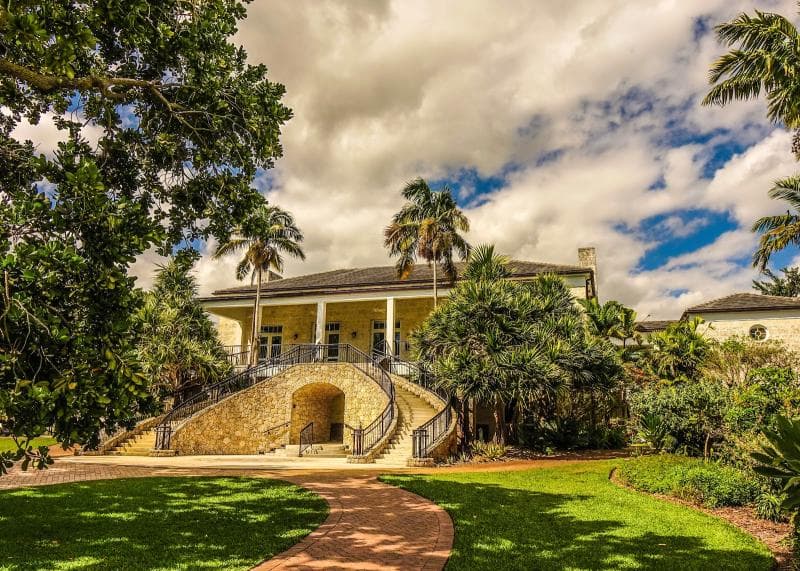
Explore the Tropical Plant Conservatory at Fairchild Tropical Botanic Garden, Miami, United States, housing rare and exotic flora. Discover unique plants and conservation efforts.
Overview
Nestled within the expansive Fairchild Tropical Botanic Garden in Miami, United States, lies the Tropical Plant Conservatory, an extraordinary haven for some of the world's most delicate and remarkable flora. Historically known as the Rare Plant House, this specialized environment is meticulously designed to cultivate plants that demand specific warmth, humidity, and growing conditions not always afforded by Miami's otherwise tropical climate. It serves as a vital sanctuary for tropical plants that thrive in exceptionally warm temperatures or require precise care, including controlled water, soil, shade, and humidity levels.
As you step into the Conservatory, you are immediately enveloped in a lush, ever-changing display of botanical wonders. The atmosphere is crafted to mimic a natural tropical ecosystem, allowing visitors to experience the vibrancy and diversity of these exquisite plant species up close. It is a space where the newest and most rare plant introductions are often nurtured with caution, remaining there until their specific care requirements are fully understood, sometimes later transitioning to outdoor settings within the garden.
History & Cultural Background
The Fairchild Tropical Botanic Garden itself, encompassing 83 acres, was established in 1938 and named after the renowned plant explorer, Dr. David Fairchild. Dr. Fairchild, along with founder Colonel Robert H. Montgomery, a passionate plant collector, envisioned a botanical garden in Miami where tropical plants could flourish year-round. The garden's mission, from its inception, has been rooted in preserving biodiversity and advancing botanical science. The Tropical Plant Conservatory plays a crucial role in this mission, acting as a dedicated facility for species that are particularly vulnerable or require intensive care to survive and thrive. It embodies the garden's commitment to both conservation and education, providing a living laboratory for research while simultaneously educating the public about the intricate beauty and importance of tropical plant life.
What Makes It Special
What truly sets the Tropical Plant Conservatory apart is its curated collection of exotic and rare tropical plants. It is a dynamic exhibit, constantly showcasing an array of species that are either newly discovered or exceptionally fragile. Visitors can marvel at a dizzying variety of flowers, striking foliage, and carefully selected trees, many of which are rarely seen outside their native habitats. The Conservatory's bespoke floor, made of Miami oolite, adds a touch of local geological heritage to its verdant interior.
Among its captivating residents are rare philodendrons, anthuriums, and pentagonias, alongside a stunning assortment of orchids in vibrant hues of purple, shocking pink, and crisp white. A notable highlight is often the 'Amherstia nobilis', also known as the 'Pride of Burma', a tree celebrated as 'the queen of flowering trees' for its large, showy blooms that command attention. The Conservatory is also home to rare red sealing wax palm trees, distinguished by their bright red fronds and trunks, making them exceptionally distinctive landscaping plants.
Stories, Fun Facts & Local Details
One of the most photographed features within the Tropical Plant Conservatory is the 'Corchid tree'. This ingenious display might appear to be an epiphyte-covered tree, but it is, in fact, an artificial structure. It is artfully covered with cork and hosts an impressive array of flowering orchids, tillandsias, ferns, moss, and other air plants, creating a breathtaking illusion of a natural arboreal ecosystem teeming with life. This creative installation not only highlights the beauty of these epiphytic plants but also demonstrates innovative horticultural techniques.
The Conservatory's role extends beyond mere display; it is a critical facility for the garden's conservation efforts, especially for plants that cannot withstand Miami's coldest winter nights or those with very precise environmental needs. It serves as a protective nursery for plant species from even warmer climates, ensuring their survival and propagation.
Visitor Perspective
For the curious traveler, a visit to the Tropical Plant Conservatory is an immersive experience. Stepping inside offers a momentary escape into a world of unparalleled botanical beauty and tranquility. It's a chance to witness the intricate details of plant life that often go unnoticed in larger outdoor settings. The vibrant colors, unique forms, and the sheer rarity of many specimens create a sense of wonder and appreciation for the natural world. It is highly recommended to allocate sufficient time to slowly wander through, taking in the serene atmosphere and observing the diverse flora. The Conservatory provides an intimate glimpse into the ongoing scientific and conservation work undertaken by Fairchild Tropical Botanic Garden, making it an enriching and educational part of any visit.
Coordinates: -80.2720386, 25.6767893
View on Google Maps💬 How Travelers Describe This Place
Based on community votes
Interesting
853Must See
667Unique
190Photogenic
93Beautiful
32
Traveler Stories
Discover memorable experiences shared by travelers who have visited this place.
No traveler stories yet.
Be the first traveler to share what made this place memorable.

Tour
By
Spot
Discover amazing places around the world. Your journey starts here.
Explore
© 2026 TourBySpot. All rights reserved.