Fairchild Tropical Botanic Garden
Miami, United States
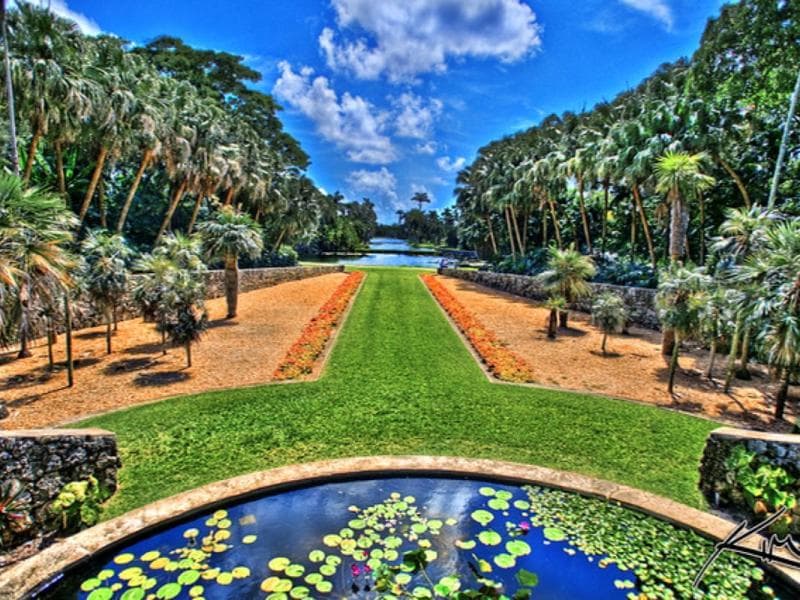
Explore Fairchild Tropical Botanic Garden in Miami, United States. Discover rare tropical plants, a butterfly conservatory, and rich botanical history.
Overview
The Fairchild Tropical Botanic Garden, nestled in Coral Gables just south of Miami, Florida, is an 83-acre living museum dedicated to the exploration, explanation, and conservation of the world of tropical plants. It stands as a vibrant tropical oasis in the continental United States, showcasing extensive collections of rare tropical flora, including palms, cycads, flowering trees, and vines. More than just a garden, Fairchild serves as a vital research and conservation facility, a learning center, and a beautiful space for public enjoyment, playing a crucial role in preserving biodiversity globally and locally.
Its mission is to harness the power of plants for humankind, sharing the beauty and joy of tropical gardening with everyone who visits.
History & Cultural Background
The vision for Fairchild Tropical Botanic Garden began to take root in 1936, established by Robert H. Montgomery, an accountant and businessman with a profound passion for collecting plants. Montgomery purchased the 83-acre site along Biscayne Bay, later deeding a significant portion to Miami-Dade County.
The garden officially opened its gates to the public in 1938, named in honor of Montgomery's dear friend, the renowned plant explorer Dr. David Fairchild. Dr. Fairchild (1869–1954) was a pivotal figure in American botany, responsible for introducing over 75,000 useful plants to the United States from his worldwide travels, including mangos, alfalfa, and even the iconic cherry trees of Washington D.C.
Key individuals, including environmentalist Marjory Stoneman Douglas and celebrated landscape architect William Lyman Phillips (a member of the Frederik Law Olmsted partnership), were instrumental in bringing the garden to life and shaping its design. Fairchild Tropical Botanic Garden holds the distinction of being the oldest major cultural institution in Miami-Dade County, embodying a rich legacy of botanical exploration and conservation.
What Makes It Special
Fairchild is distinguished by its unparalleled collections and unique exhibits. It houses one of the world's largest and most diverse collections of cycads, with over 700 accessioned plants, and the largest collection of tropical bamboo globally, featuring 125 species.
Visitors can immerse themselves in the 'Wings of the Tropics' exhibit, a climate-controlled conservatory teeming with hundreds of free-flying tropical butterflies and hummingbirds. Another highlight is the two-acre recreated rainforest, complete with waterfalls, cascades, and a misting system designed to emulate an authentic rainforest environment, featuring plants collected from the Amazon. This is considered the only tropical rainforest in the continental US.
The garden also boasts the world's largest unbranched inflorescence, the Amorphophallus titanum, known for its rare blooming events. Its 'Tropical Flowering Trees' collection features over 740 species from across the globe, including the famous Cannonball Tree.
Fairchild is not just a display garden but a hub for scientific research, conservation efforts (particularly for endangered species from South Florida and the Caribbean), and educational programs, including partnerships with NASA.
Stories, Fun Facts & Local Details
- The Cannonball Tree: One of the most famous tropical flowering trees at Fairchild, planted in 1938, is the Cannonball Tree. It is known for its strong fragrance and is one of the only such trees in the United States.
- Ancient Residents: Among the garden's many treasures is a 260-year-old cycad, Dioon edule, acquired from a botanical garden in Scotland, making it one of the oldest living residents.
- Global Plant Introductions: Dr. David Fairchild's relentless travels brought myriad plants to the U.S., shaping American agriculture and landscapes. His legacy lives on through the garden that bears his name.
- A Living Laboratory: Beyond its beauty, Fairchild operates as a crucial laboratory for plant scientists, working on projects like the 'Million Orchid Project' and 'Growing Beyond Earth,' even collaborating with NASA to identify edible plants for space.
- Caribbean Conservation: Fairchild is a world center for the study and conservation of Caribbean flora, a biodiversity hotspot with thousands of unique species.
Visitor Perspective
A visit to Fairchild Tropical Botanic Garden offers a serene escape and an enriching educational experience. To make the most of your trip, it's recommended to allocate at least three hours to explore its expansive grounds.
Comfortable shoes are a must for navigating the paved and packed-dirt paths. Given Miami's tropical climate, visitors should bring sun protection like hats and sunscreen, and consider bug spray, especially near water features.
For a comprehensive introduction, free narrated tram tours are offered regularly, providing an excellent overview of the garden's history, mission, and plant collections. The garden is also fully accessible, with pathways, exhibits, and trams accommodating individuals with disabilities.
Should you need a break, the Glasshouse Café offers tropical-inspired fare, or you can bring your own food for a picnic. Fairchild hosts various events throughout the year, including popular festivals focused on mangoes, chocolate, and orchids, along with art exhibitions and concerts. Checking their calendar before your visit can reveal special happenings.
Coordinates: -80.274351, 25.678211
View on Google Maps💬 How Travelers Describe This Place
Based on community votes
Photogenic
799Beautiful
639Unique
526Must See
366Interesting
181
Traveler Stories
Discover memorable experiences shared by travelers who have visited this place.
No traveler stories yet.
Be the first traveler to share what made this place memorable.
Things to see at Fairchild Tropical Botanic Garden



Tour
By
Spot
Discover amazing places around the world. Your journey starts here.
Explore
© 2026 TourBySpot. All rights reserved.