Tree Of Life Atrium
Manila, Philippines
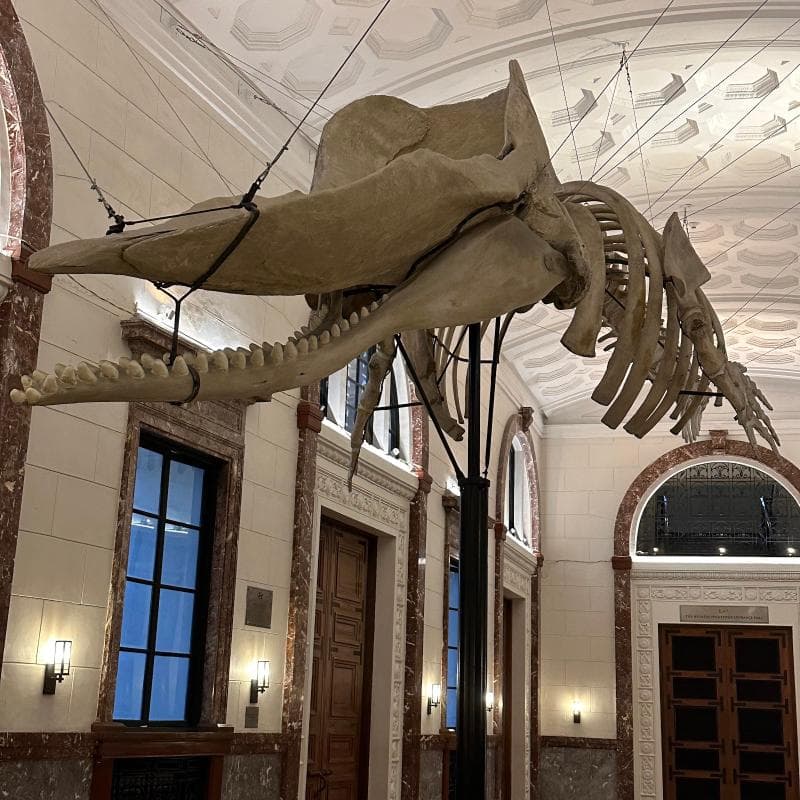
Explore the iconic Tree Of Life Atrium at the National Museum Of Natural History in Manila, Philippines – a stunning architectural marvel symbolizing Filipino biodiversity.
Overview
At the heart of the National Museum of Natural History in Manila, Philippines, stands the awe-inspiring 'Tree Of Life Atrium'. This architectural marvel is not merely a decorative element but serves as the museum's central and defining feature. It is a towering, six-story, steel-framed structure crowned with a magnificent glass-domed canopy. Functioning as a scenic elevator shaft, the 'Tree of Life' gracefully connects all of the museum's exhibition floors, symbolically weaving together the diverse narratives of Philippine biodiversity. Its design ingeniously represents the interconnectedness of the country's rich ecosystems, from its majestic mountain ridges down to its vibrant marine reefs.
History & Cultural Background
The building housing the National Museum of Natural History, and consequently the 'Tree Of Life Atrium', possesses a rich history. Originally constructed in 1940 as the Agriculture and Commerce Building, it was designed in a distinguished Neoclassical style by Filipino architect Antonio Manalac Toledo. Following its destruction during World War II, the edifice was meticulously reconstructed according to its original plans. For a period, it served as the headquarters for the Department of Tourism until 2015. In 2013, a significant transformation began, converting the building into the National Museum of Natural History. Dominic Galicia Architects, with interior designer Tina Periquet, spearheaded the renovation, culminating in the museum's public opening on May 18, 2018. The design of the 'Tree of Life' itself, which was ceremonially unveiled on June 28, 2016, draws inspiration from the double helix structure of DNA, metaphorically representing the fundamental thread of all life and biodiversity in the Philippines.
What Makes It Special
The 'Tree Of Life Atrium' is exceptional for several reasons, primarily its striking blend of modernity within a historic shell. Its sleek, contemporary design, inspired by the double helix of DNA, creates a captivating contrast against the building's preserved neoclassical facade and classic white interior. The glass dome overhead allows an abundance of natural light to flood the atrium, evoking the serene ambiance of a forest canopy. Beyond its aesthetic appeal, the atrium is a functional masterpiece. It acts as the central axis from which visitors can access the museum's 12 permanent galleries, making the journey through the nation's natural history an integrated experience. The structure beautifully embodies the museum's core concept: showcasing the Philippines' diverse ecosystems, from the highest peaks to the deepest oceans. Many consider it the signature feature of the museum, akin to how other iconic artworks define their respective institutions.
Stories, Fun Facts & Local Details
The symbolism of the 'Tree of Life' resonates deeply with Filipino culture. Locally, it is often associated with the coconut tree, a ubiquitous and vital plant in the Philippines, symbolizing resilience and life-sustaining properties. Suspended on opposing walls within the atrium are three large banners featuring iconic and endemic Philippine species: the Philippine eagle, the Philippine tarsier, and the tamaraw. These magnificent creatures serve as powerful reminders of the country's incredible biodiversity and the urgent need for conservation. The museum itself, with the 'Tree of Life' as its focal point, has rapidly become one of Metro Manila's most beloved educational and tourist destinations. Adding to its accessibility and appeal, admission to the National Museum of Natural History, and therefore the opportunity to experience the 'Tree of Life Atrium', is free for all visitors.
Visitor Perspective
Stepping into the National Museum of Natural History, visitors are invariably met with a sense of wonder as they encounter the 'Tree Of Life Atrium' for the first time. The sheer scale and innovative design elicit an immediate 'wow' reaction from many. The opportunity to ascend or descend through the atrium via its scenic elevator provides a unique and memorable journey, offering various perspectives of the museum's central space and the surrounding galleries. It serves as a natural starting point for exploration and a constant, visually stunning anchor throughout a visit. The atrium is also a favorite spot for photography, capturing its architectural grandeur and symbolic depth. Its central presence ensures that every visit to the National Museum of Natural History is anchored by this remarkable tribute to life and biodiversity.
Coordinates: 120.982194, 14.583306
View on Google Maps💬 How Travelers Describe This Place
Based on community votes
Must See
997Unique
785Photogenic
571Interesting
546Beautiful
103
Traveler Stories
Discover memorable experiences shared by travelers who have visited this place.
No traveler stories yet.
Be the first traveler to share what made this place memorable.

Tour
By
Spot
Discover amazing places around the world. Your journey starts here.
Explore
© 2026 TourBySpot. All rights reserved.