Treasury
Vilnius, Lithuania
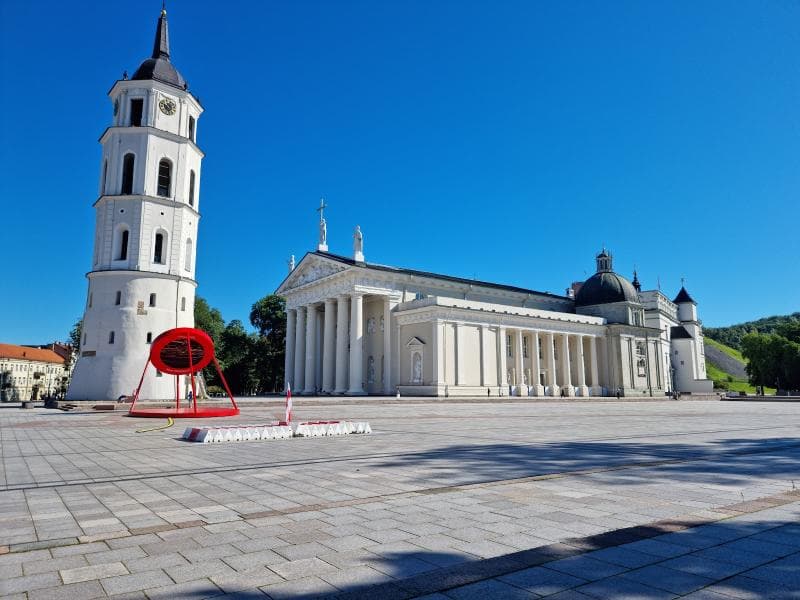
Explore the Vilnius Cathedral Treasury, a magnificent collection of gold, jewels, and sacred artifacts, now on display at the Church Heritage Museum in Vilnius, Lithuania.
Overview
The Vilnius Cathedral Treasury, known as the Katedros Lobynas in Lithuanian, represents one of the most remarkable collections of sacred art and historical artifacts in the Baltic region. While intrinsically linked to the venerable Vilnius Cathedral, this magnificent treasury is presently housed and exhibited at the Church Heritage Museum, located within the historic Church of St. Michael the Archangel and the former Bernardine Convent in Vilnius, Lithuania. This separation allows for its meticulous preservation and public display in a dedicated setting. The collection offers a profound glimpse into the spiritual and cultural heritage of Lithuania, showcasing centuries of devotion and artistic craftsmanship.
Visitors embark on a journey through time, encountering liturgical objects of immense value and intricate design, which once graced the ceremonies of Vilnius Cathedral, the spiritual heart of the nation. The Treasury's narrative is one of enduring faith, royal patronage, and a dramatic history of concealment and rediscovery, reflecting the tumultuous yet rich past of the Grand Duchy of Lithuania.
History & Cultural Background
The origins of the Vilnius Cathedral Treasury trace back to the 14th century, shortly after Lithuania's official baptism and the completion of its first cathedral. This period marked a pivotal moment in the nation's history, as Christianity began to establish deep roots. Over the centuries, the Treasury grew significantly, enriched by continuous donations from rulers, influential nobles, and devoted bishops who sought to demonstrate their piety and contribute to the church's grandeur.
Church treasuries, like that of Vilnius Cathedral, were not merely repositories of valuable objects; they served as potent symbols of a church's status, wealth, and historical depth. They also acted as a form of financial investment, often helping to mitigate the economic challenges faced by religious institutions. The history of this collection is a compelling saga of survival against the odds. During the 1655 Russo-Polish War, for instance, valuables were dramatically divided and moved, with some hidden in the Cathedral's cellars to protect them from invading forces.
Perhaps the most extraordinary chapter in its history occurred on the eve of World War II in 1939, when the most valuable goldsmiths' works were meticulously bricked up within the walls of the Vilnius Cathedral for safekeeping. These precious artifacts remained hidden for almost half a century, seemingly lost to history, until their sensational rediscovery in 1985. Following their return to the Vilnius Archdiocese in 2006, the entire collection found a new permanent home for exhibition at the Church Heritage Museum in 2009.
What Makes It Special
The Vilnius Cathedral Treasury is distinguished by its unparalleled collection of liturgical artifacts, making it the oldest and most opulent among all church treasuries in the Grand Duchy of Lithuania. It holds a unique position as a tangible witness to Lithuania's Christianization and its subsequent religious and artistic development.
Visitors are captivated by an array of objects, including:
- Exquisite Liturgical Vessels: Crafted from precious metals like gold and silver, these chalices, patens, and monstrances are often adorned with intricate pearls and rare gemstones, showcasing the pinnacle of goldsmithing artistry from the 14th century onwards.
- Reliquaries: Elaborate containers holding relics of saints, reflecting profound spiritual devotion.
- Ecclesiastical Vestments: Richly embroidered and luxurious fabrics used for priestly attire, demonstrating the textile artistry of different epochs.
- Bishops' Insignias and Crowns: Symbols of ecclesiastical authority and ceremonial regalia.
Stories, Fun Facts & Local Details
The very existence of the Vilnius Cathedral Treasury is a testament to foresight and dedication. From its inception, newly appointed bishops were often obligated to bequeath a golden chalice to their church, a practice that steadily enriched the collection. This commitment ensured a continuous stream of valuable additions, solidifying the Cathedral's standing.
The numerous concealments and rediscoveries of the Treasury artifacts are like chapters from an adventure novel. Imagine the sheer effort and secrecy involved in bricking up precious objects into a cathedral wall, hoping they would one day be safe to unearth. The period from 1939 to 1985, when the most valuable pieces lay hidden, represents a critical 'lost' period, only to be dramatically resolved decades later. This speaks volumes about the historical turbulences Lithuania endured and the determination to preserve its sacred heritage. The eventual public display of these rediscovered items allowed people to connect with a past they thought was gone forever.
Visitor Perspective
While the Treasury holds the name of Vilnius Cathedral, the actual experience of viewing these historical treasures takes place at the Church Heritage Museum. This dedicated museum provides a well-curated environment for understanding the significance of each piece. As you wander through the exhibition, you'll find comprehensive explanations and sometimes even audio guides available in multiple languages, including English, which enrich the visitor's understanding of the artifacts and their historical context.
The museum is easily accessible on foot from Vilnius' Old Town, making it a convenient stop for travelers exploring the city's rich historical core. Seeing these centuries-old objects firsthand allows one to appreciate the intricate craftsmanship, the deep faith they represent, and the dramatic story of their survival. It offers a unique opportunity to connect with the artistic and spiritual heart of Lithuania's past, leaving a lasting impression of a nation's enduring heritage.
Coordinates: 25.28778, 54.68583
View on Google Maps💬 How Travelers Describe This Place
Based on community votes
Unique
872Beautiful
846Interesting
684Photogenic
363Must See
87
Traveler Stories
Discover memorable experiences shared by travelers who have visited this place.
No traveler stories yet.
Be the first traveler to share what made this place memorable.

Tour
By
Spot
Discover amazing places around the world. Your journey starts here.
Explore
© 2026 TourBySpot. All rights reserved.