Treasury
Vienna, Austria
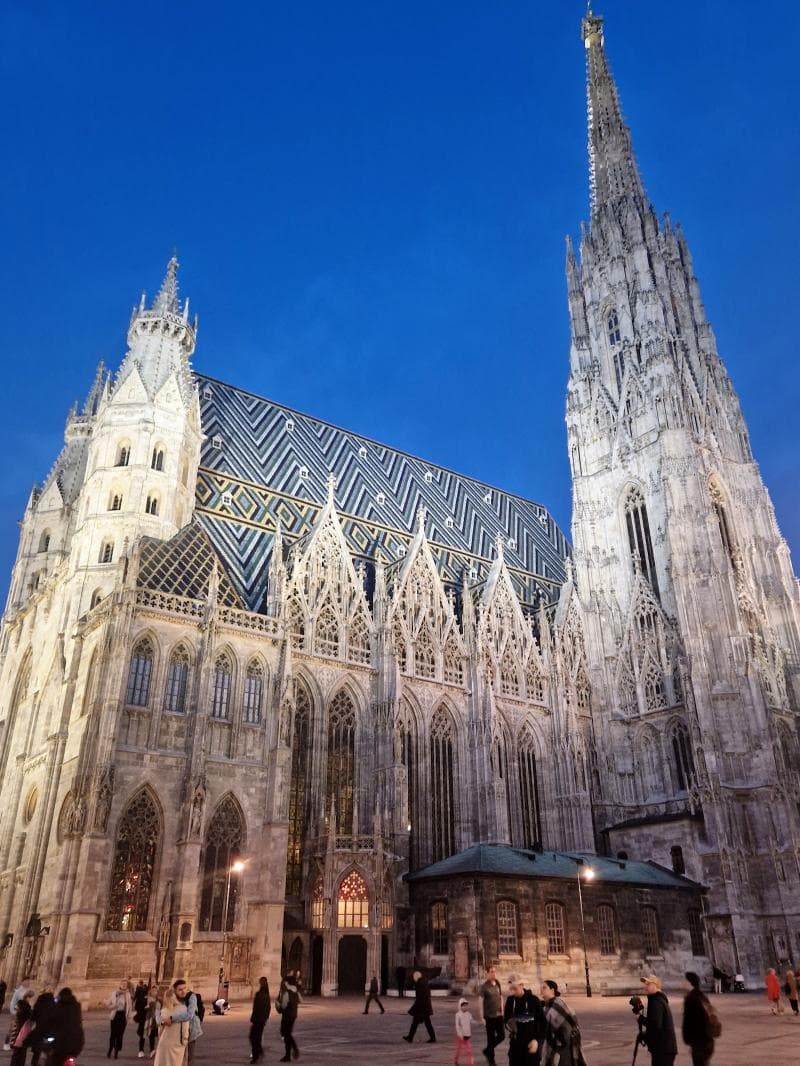
Explore the historic Treasury of St. Stephen's Cathedral in Vienna, Austria, revealing centuries of sacred relics and imperial artifacts.
Overview
Deep within the heart of Vienna, Austria, lies St. Stephen’s Cathedral, an iconic Gothic masterpiece. Inside this historic landmark is the Cathedral Treasury, known in German as the Domschatz, a repository of centuries of sacred objects and priceless artifacts. While currently undergoing extensive renovations, the Treasury has historically offered a quiet and reflective journey through Vienna's spiritual and political past, showcasing items of profound religious and cultural significance.
This collection, distinct from a typical art museum, emphasizes the spiritual meaning and historical context of its exhibits. It allows visitors to connect with the deep faith and artistic endeavors that shaped Central European history, making it a natural extension of any visit to the cathedral itself.
History & Cultural Background
St. Stephen's Cathedral has served as the spiritual epicenter of Vienna since the 12th century, with its foundation stone laid in 1137 and a significant transformation into its current Gothic form beginning in 1359 under Duke Rudolf IV. Over its long and storied history, the cathedral amassed a vast collection of valuable gifts. Emperors, noble families, bishops, and various religious institutions contributed to the Treasury, enriching it with objects of immense value and deep symbolism.
During the Middle Ages and early modern period, these church treasures served multiple vital purposes. They were not merely decorative but were fundamental in honoring God and the saints, demonstrating political and religious power, and even acting as financial reserves during times of crisis. This collection therefore provides a unique window into the interwoven tapestry of religion, power, and wealth that defined centuries of Viennese life.
What Makes It Special
The Treasury of St. Stephen’s Cathedral is distinguished by its unique focus on religious and historical significance rather than purely aesthetic appeal. It houses a remarkable array of reliquaries, which are ornate containers holding fragments or entire relics of saints. These include items revered for their association with key figures in Christian history, such as three thorns believed to be from the crown of thorns worn by Jesus Christ, a fragment of the tablecloth from the Last Supper, and even relics associated with St. Valentine.
Beyond relics, the Domschatz also contains a rich assortment of liturgical objects like chalices, monstrances, and crosses, alongside magnificent vestments and textiles worn by clergy during religious ceremonies. Historical items further enrich the collection, with examples like a 15th-century triptych, 17th-century vestments, and even a cannonball from the second Turkish siege of Vienna. These items collectively illustrate how craftsmanship, faith, and political events converged throughout history.
Stories, Fun Facts & Local Details
Venturing into the Treasury before its current closure for renovation felt like stepping into a historical detective story. Visitors could once discover secrets like 15th-century graffiti etched into the walls of the relics chamber, offering a direct, unvarnished glimpse into the lives of those who walked these halls centuries ago.
Among the more intriguing items were long-handled spoons from 1679, designed to allow priests to administer communion from a distance during the terrifying plague epidemics that swept through Vienna. This poignant detail highlights the practical and spiritual adaptations made during times of immense hardship. The sheer variety and antiquity of the artifacts often evoke a sense of adventure, with some past visitors humorously comparing the experience to an 'Indiana Jones' quest for ancient, revered objects.
Visitor Perspective
For the curious traveler keen to explore Vienna's profound historical and spiritual layers, the Treasury of St. Stephen's Cathedral has always been an unparalleled experience. Before its long-term closure for renovations, it offered a quieter, more reflective counterpoint to the bustling main cathedral. The multi-room layout in the upper levels of the cathedral not only presented the treasures but also afforded exclusive, breathtaking views down to the main altar and the sarcophagus of Emperor Frederick III.
As of now, the Treasury remains closed for an extended period for refurbishment, meaning direct access to these specific exhibits is temporarily unavailable. However, for those interested in the ecclesiastical art and history that the Domschatz represents, the nearby Dom Museum, situated just across from the cathedral, serves as a valuable alternative, housing many treasures related to St. Stephen's and the Archdiocese of Vienna.
Coordinates: 16.3734, 48.2084
View on Google Maps💬 How Travelers Describe This Place
Based on community votes
Beautiful
995Must See
964Interesting
929Unique
730Photogenic
275
Traveler Stories
Discover memorable experiences shared by travelers who have visited this place.
No traveler stories yet.
Be the first traveler to share what made this place memorable.

Tour
By
Spot
Discover amazing places around the world. Your journey starts here.
Explore
© 2026 TourBySpot. All rights reserved.