Treasury Of The Grand Dukes
Florence, Italy
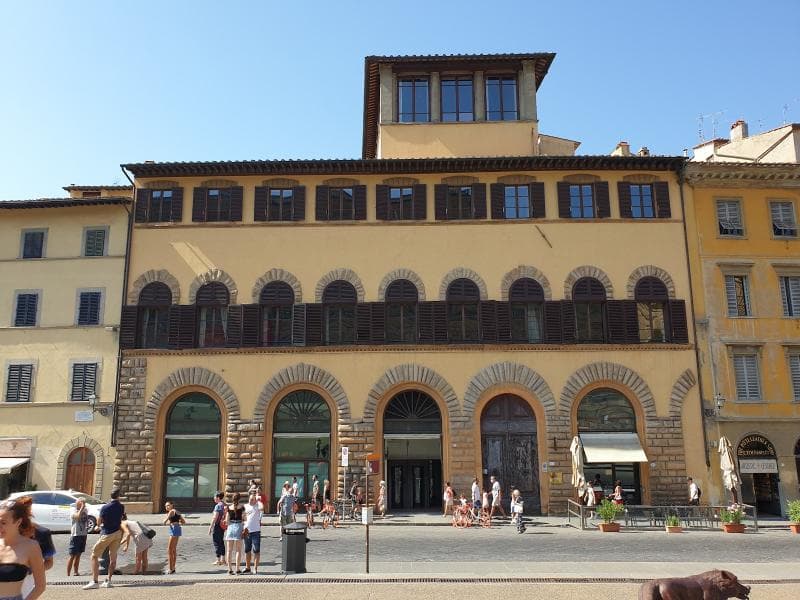
Discover the opulent Treasury of the Grand Dukes at Palazzo Pitti, Florence, Italy. Explore centuries of Medici and Lorraine treasures, from gems to ivories.
Overview
Nestled within the grand Palazzo Pitti in Florence, Italy, the Treasury of the Grand Dukes offers a dazzling glimpse into centuries of royal opulence. Formerly known as the Silver Museum, this sub-spot showcases an extraordinary collection of precious objects belonging to the powerful Medici and Lorraine dynasties. [3, 8] Housed in the lavishly frescoed rooms that once served as the Medici's summer apartments, visitors can explore an array of gems, cameos, pietre dure, ivories, crystals, and exquisite jewelry. [3, 5, 10] Each piece tells a story of artistic mastery and the refined tastes of Florentine rulers.
History & Cultural Background
The origins of the Treasury are deeply rooted in the Renaissance, stemming from the fervent collecting passion of the Medici family. Cosimo the Elder began amassing a vast collection of precious items in the 15th century, a tradition enthusiastically continued by his son Piero and notably by his grandson, Lorenzo the Magnificent. [3, 9] Many of Lorenzo's historically and artistically significant vases are still central to the museum's collection today. [3, 9] The rooms themselves bear witness to this rich history, having been sumptuously frescoed in 1637 for the wedding of Grand Duke Ferdinando II de' Medici and Vittoria della Rovere. [8, 10] These 17th-century frescoes are early examples of quadratura and trompe-l'oeil perspective in Florence. [8] Later, the Lorraine family further enriched the collection, most notably by bringing the 'Salzburg Treasury'—a collection of gold and silver works—to Florence in 1815. [3, 10] The museum was officially established in 1919, consolidating the treasures of both influential dynasties. [17]
What Makes It Special
The Treasury of the Grand Dukes stands out for its unparalleled variety and the exceptional craftsmanship of its displays. It is a vibrant chronicle of artistic patronage and the accumulated wealth of centuries. Visitors will be captivated by semi-precious stone vases, intricate rock crystals, and finely carved ivories, some acquired by Prince Mattias de' Medici. [3, 8] The museum also proudly exhibits a significant collection of cameos, including those once owned by Anna Maria Luisa, the last Medici heir. [3] Among the highlights is a spectacular lapis lazuli vase, mounted in gold by Bilivert and designed by Bernardo Buontalenti, embodying the refined Manneristic taste of the 16th century. [3, 9] Beyond these antique marvels, the Treasury features an important collection of jewelry spanning from the 17th to the 20th centuries, alongside a dedicated section for contemporary pieces, underscoring the museum's enduring relevance. [3, 10] The opulent, frescoed rooms provide a dramatic and fitting backdrop, enhancing the splendor of every artifact. [9]
Stories, Fun Facts & Local Details
This museum is more than just a display of wealth; it's a window into the fascinating lives of Florence's ruling families. Imagine Lorenzo the Magnificent poring over these very vases, appreciating their intricate beauty centuries ago. [3, 9] The inclusion of the 'Salzburg Treasury' adds a layer of intriguing history, revealing how Ferdinand III of Lorraine brought these exquisite pieces to Florence during the Napoleonic era, effectively 'plundering' them from ecclesiastical collections. [17] The magnificent 17th-century frescoes adorning the rooms aren't just decoration; they are elaborate narratives, depicting mythological allegories that subtly reflect the political and cultural aspirations of the Medici court. [9] Perhaps one of the most significant 'fun facts' is the extraordinary foresight of Anna Maria Luisa de' Medici. As the last family heir, she bequeathed the entire Medici inheritance to the city of Florence. Her express wish was that these treasures be preserved 'for State embellishment, public use and to attract the curiosity of Foreigners,' transforming a private hoard into a public marvel for all to enjoy. [17]
Visitor Perspective
A visit to the Treasury of the Grand Dukes is an immersive experience, transporting you directly into the heart of Florentine grandeur. As you wander through these historic summer apartments, you'll feel the echoes of royal court life. The atmosphere is one of hushed admiration, surrounded by artifacts that are not only beautiful but also rich in historical narrative. This museum offers a unique opportunity to connect with the past, seeing firsthand the exquisite taste and immense resources commanded by the Medici and Lorraine families. It's a journey through art, history, and craftsmanship, where every gem and gilded object tells a part of Florence's magnificent story. The sheer volume and quality of the collection inspire awe, making it an unforgettable stop for any curious traveler.
Coordinates: 11.24982, 43.76506
View on Google Maps💬 How Travelers Describe This Place
Based on community votes
Unique
950Beautiful
858Interesting
287Must See
275Photogenic
231
Traveler Stories
Discover memorable experiences shared by travelers who have visited this place.
No traveler stories yet.
Be the first traveler to share what made this place memorable.

Tour
By
Spot
Discover amazing places around the world. Your journey starts here.
Explore
© 2026 TourBySpot. All rights reserved.