Treasury
Dublin, Ireland
Explore 'The Treasury' at the National Museum of Ireland – Archaeology in Dublin. Discover ancient Irish gold, the Tara Brooch, and Ardagh Chalice.
Overview
Stepping into 'The Treasury' exhibition at the National Museum of Ireland – Archaeology in Dublin is like embarking on a journey through Ireland's early medieval past. This acclaimed collection, housed within the magnificent Victorian-era museum on Kildare Street, showcases a breathtaking array of artefacts that are not only of immense archaeological value but also represent significant milestones in early European culture. Admission to the museum and 'The Treasury' is free, making it an accessible treasure trove for anyone eager to connect with Ireland's rich heritage.
History & Cultural Background
The exhibits within 'The Treasury' trace the evolution of Irish art from the Iron Age right up to the twelfth century AD. This period was marked by profound transformations, notably the transition from paganism to Christianity, which profoundly influenced artistic expression and craftsmanship. The collection highlights the 'Golden Age' of Irish art, flourishing from the late seventh to early ninth centuries AD, an era that saw unique indigenous styles intertwining with foreign influences. Early pieces reflect artistic connections with Anglo-Saxon art from England and Germanic regions, while later works, particularly from the late 8th century onwards, clearly show the distinctive impact of Viking art. The museum itself, established under the Dublin Science and Art Museum Act 1877 and opened in 1890, was designed by Thomas Newenham Deane and his son, Thomas Manly Deane, in a grand Victorian Palladian style, providing an impressive backdrop for these ancient wonders.
What Makes It Special
'The Treasury' is renowned for its unparalleled collection of early medieval Irish metalwork, featuring masterpieces such as the Ardagh Chalice, the Tara Brooch, and parts of the Derrynaflan Hoard. The Ardagh Chalice, an exquisite example of 8th-century craftsmanship, is assembled from 354 separate pieces of gold, silver, bronze, and glass, showcasing intricate filigree work and ornamentation. The Tara Brooch, another 8th-century marvel, is celebrated for its elaborate design, featuring gold, silver, amber, and glass detailing. These objects, alongside the ornate Cross of Cong and the Faddan More Psalter, are testament to the extraordinary skill of early Irish artisans. The exhibition space itself incorporates architectural details that evoke medieval cathedral treasuries, such as restored nineteenth-century mosaic floors depicting classical mythology and original majolica fireplaces, enhancing the visitor's immersion into the past.
Stories, Fun Facts & Local Details
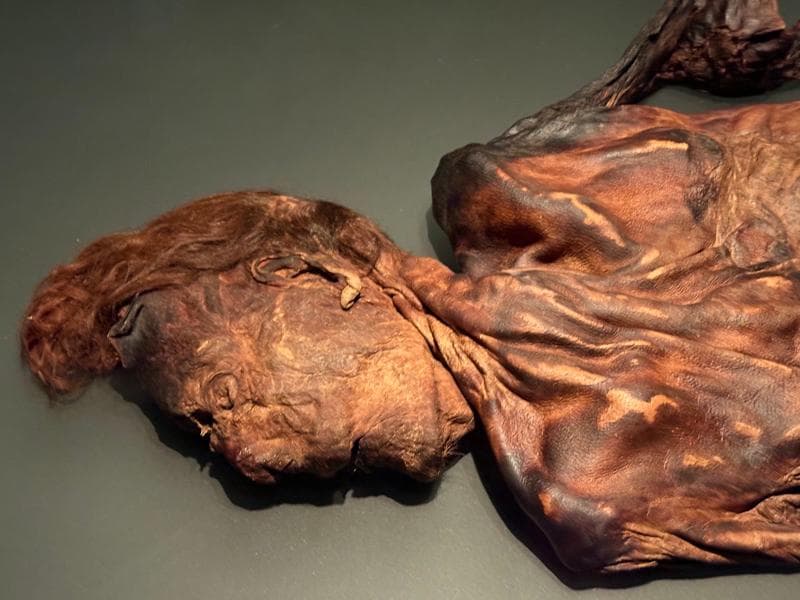
Many of the incredible artefacts in 'The Treasury' have fascinating discovery stories. The Ardagh Chalice, for instance, was unearthed purely by chance in 1868 by two boys digging for potatoes in County Limerick. Similarly, the Faddan More Psalter, a precious manuscript dating to approximately 800 AD, was discovered in a County Tipperary bog in 2006, remarkably preserved by the anaerobic conditions. Ireland's bogs have proven to be incredible time capsules, yielding numerous ancient weapons, jewellery, and even perfectly preserved bog bodies. The museum plays a crucial role in dating, restoring, and preserving these invaluable finds. Visitors can also see an Ogham stone, featuring the earliest known writing system in Ireland, carved into wood and stone over 1600 years ago. These stories highlight the serendipitous nature of archaeological discovery and the meticulous work required to bring these objects to light and interpret their significance.
Visitor Perspective
A visit to 'The Treasury' offers a profound connection to Ireland's distant past. The sheer artistry and historical depth of each object invite contemplation about the lives and beliefs of those who created and used them. The museum's welcoming atmosphere, combined with free admission and often free guided tours, makes it an enriching experience for all ages. Walking through the grand rotunda with its domed roof and marble columns, and admiring the mosaic floors with zodiac designs, sets a majestic tone before even reaching the exhibition. Many visitors describe a sense of awe and a deeper understanding of Irish heritage after seeing these perfectly preserved ancient treasures. It's an opportunity to witness the tangible links to a vibrant and complex history, making it an essential stop for any curious traveller in Dublin.
Coordinates: -6.254149701795281, 53.340208101070544
View on Google Maps💬 How Travelers Describe This Place
Based on community votes
Beautiful
910Must See
755Interesting
658Photogenic
589Unique
374
Traveler Stories
Discover memorable experiences shared by travelers who have visited this place.
No traveler stories yet.
Be the first traveler to share what made this place memorable.

Tour
By
Spot
Discover amazing places around the world. Your journey starts here.
Explore
© 2026 TourBySpot. All rights reserved.