Traditional Farmhouses
Bucharest, Romania
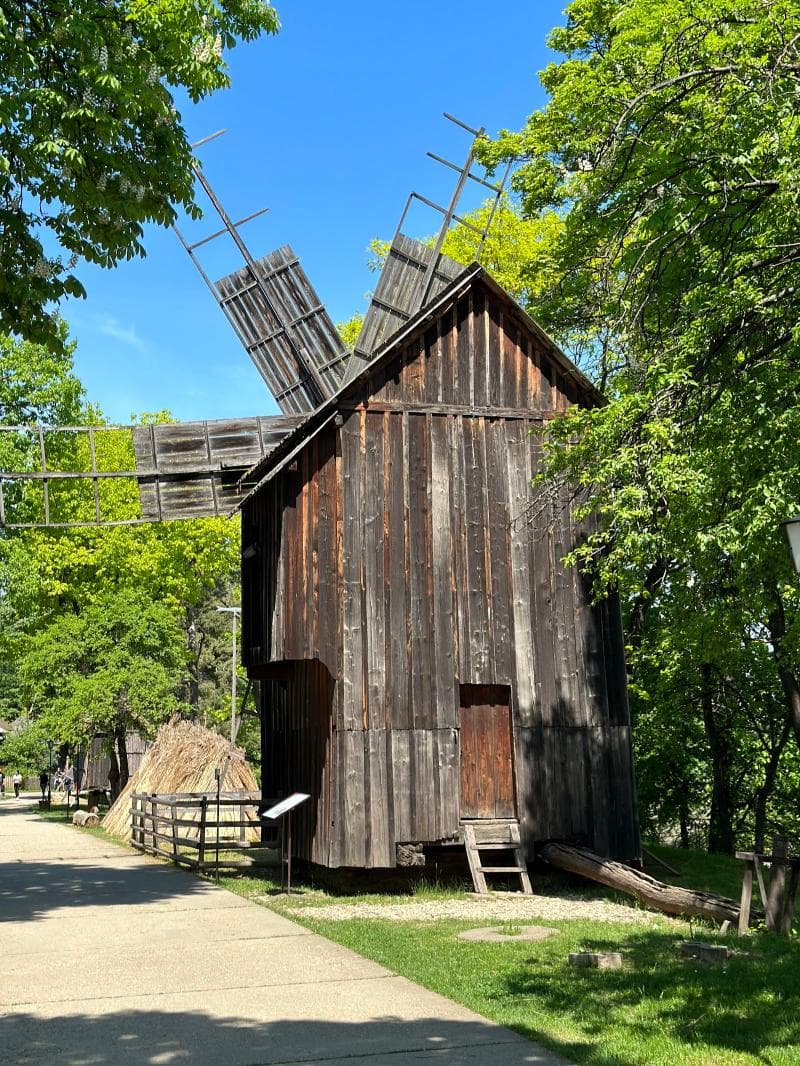
Explore traditional farmhouses at Bucharest's Village Museum. Discover Romania's rural heritage, diverse architecture, and cultural stories in an open-air setting.
Overview
Nestled within the expansive King Michael I Park in Bucharest, Romania, the Dimitrie Gusti National Village Museum offers a unique journey into the country's rich rural heritage. This open-air ethnographic museum, often simply called 'The Village Museum', is a sprawling complex that brings together authentic traditional farmhouses and structures from all corners of Romania. Spanning over 100,000 square meters, it showcases traditional Romanian village life through its collection of 123 to over 300 authentic peasant settlements, including houses, churches, windmills, and other outbuildings. Visitors can wander through a 'time capsule' of Romanian history, experiencing the diverse architectural styles and daily life of peasants from the 17th to the early 20th centuries.
History & Cultural Background
The vision for the Village Museum began to take shape in the late 19th century, with initial proposals to present folk architecture at international exhibitions. The museum itself was formally inaugurated on May 10, 1936, by sociologist Dimitrie Gusti, in the presence of King Carol II of Romania. Gusti, a renowned folklorist and sociologist, spearheaded extensive field research across Romania to meticulously document and select representative structures. The ingenious concept involved carefully dismantling authentic buildings from their original locations, transporting them to Bucharest, and then reassembling them piece by piece, often by the very same peasant craftsmen who built them or by those from their original villages. This painstaking process ensured that each traditional farmhouse and its accompanying elements genuinely reflected the specific regional architectural traditions and cultural practices. The museum's fundamental mission was to present the authentic reality of Romanian village life, making it one of the first open-air ethnographic museums in Europe.
What Makes It Special
What truly sets the Traditional Farmhouses of the Village Museum apart is their authenticity and the sheer breadth of regional representation. Unlike mere replicas, these are original structures, each telling a story of its place of origin. The museum showcases a captivating array of architectural styles, from the distinctive steep-roofed wooden houses and imposing carved gates of Maramureș to the brightly painted homes of Oltenia and the unique thatched dwellings found in Alba County. Visitors can observe the contrasts in building materials, construction techniques, and decorative motifs that characterize Romania's different ethnographic areas, including Banat, Transylvania, Moldavia, Dobrogea, and Muntenia. Beyond just houses, the museum features complete peasant complexes, equipped with barns, stables, workshops, watermills, windmills, and even wooden churches, providing a comprehensive insight into the self-sufficient nature of traditional rural households. Stepping inside many of these houses, one finds interiors furnished with authentic furniture, pottery, traditional textiles, and tools, recreated to reflect how the original inhabitants lived, worked, and celebrated.
Stories, Fun Facts & Local Details
The Village Museum's early days were marked by a fascinating, albeit challenging, approach to authenticity: real peasant families, sometimes the original owners, would periodically live in the transplanted houses. They would bring their livestock and demonstrate traditional crafts, creating a 'living museum' that offered unparalleled sociological insights into rural life. While this immersive method highlighted the genuine essence of village existence, it also posed significant preservation challenges for the historical structures. Among the treasures are specific gems like the 1773 wooden church from Gorj County in northern Oltenia, remarkable for its exquisite architectural qualities and rare exterior paintings, including 'The Doomsday' and portrayals of the three prophets. Another intriguing detail is the presence of houses belonging to the Lipovans, Old Believer Russians who settled in areas like the Danube Delta, showcasing their distinct white and blue painted homes. The museum is not just static exhibits; it often bursts with life through regular folk festivals, craft demonstrations, traditional music performances, and workshops, allowing visitors to deeply engage with Romanian folklore and cultural heritage. Its survival through difficult periods, including hosting war refugees during World War II and enduring ideological pressures during the communist era, speaks to its enduring cultural significance and resilience.
Visitor Perspective
For any curious traveler, a visit to the Traditional Farmhouses within the Village Museum is an immersive experience that transports one far from the bustling modernity of Bucharest. It's a serene and spacious environment where you can genuinely connect with the soul of Romania's rural past. As you wander along the shaded pathways, each house and farm complex invites contemplation, offering a clear representation of how people lived generations ago. Many of the buildings are open, allowing you to step inside and envision the lives once led within their walls, with detailed information boards provided in both English and Romanian to enrich your understanding. The museum's thoughtful layout provides ample space, encouraging a leisurely pace of discovery and a profound appreciation for the diverse architectural styles and craftsmanship from different regions. Located conveniently in King Michael I Park (formerly Herăstrău Park), the museum is easily accessible, making it an ideal destination for a relaxing yet deeply enriching cultural excursion in the heart of the Romanian capital.
Coordinates: 26.07656, 44.47336
View on Google Maps💬 How Travelers Describe This Place
Based on community votes
Beautiful
685Interesting
472Must See
446Unique
399Photogenic
92
Traveler Stories
Discover memorable experiences shared by travelers who have visited this place.
No traveler stories yet.
Be the first traveler to share what made this place memorable.

Tour
By
Spot
Discover amazing places around the world. Your journey starts here.
Explore
© 2026 TourBySpot. All rights reserved.