Traditional Costumes
Bishkek, Kyrgyzstan
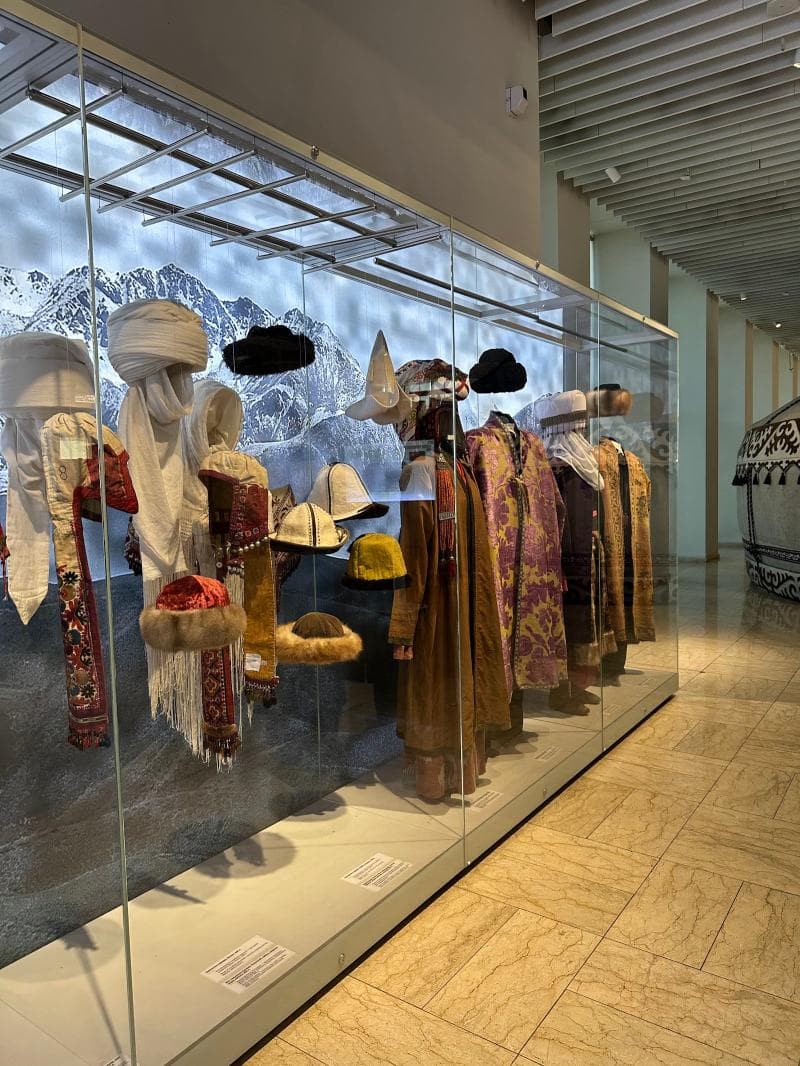
Explore the Traditional Costumes exhibit at the State History Museum in Bishkek, Kyrgyzstan, revealing rich nomadic heritage and cultural identity.
Overview
The ‘Traditional Costumes’ exhibit at the State History Museum in Bishkek, Kyrgyzstan, offers a captivating journey into the heart of Kyrgyz cultural identity. It showcases an extensive collection of ethnographic objects, particularly traditional Kyrgyz national costumes, dating from the late 19th and early 20th centuries. This sub-spot is a vital part of the museum's broader mission to preserve and present the rich history, lifestyle, and traditions of the Kyrgyz people, spanning from ancient times to the present day. Visitors can explore a vibrant array of garments, textiles, and accessories, each telling a story of the nation's nomadic heritage and deep connection to its environment.
History & Cultural Background
Kyrgyz traditional clothing is far more than mere attire; it is a profound embodiment of the country's history, values, and identity. Rooted in centuries of nomadic existence, these garments were meticulously designed for both practicality and profound cultural symbolism, reflecting the lifestyle of mountain dwellers and the need for protection against harsh climates. The primary materials used, such as wool, felt, leather, and cotton, were readily available from their pastoral life, showcasing ingenuity and resourcefulness. Every pattern and design found on these costumes carries specific meanings, often inspired by nature, local animals, and tribal symbols, weaving a narrative of resilience and connection to the land.
What Makes It Special
The special allure of the traditional costumes lies in their intricate craftsmanship and the deep cultural significance of each piece. Among the most iconic items displayed are the Kalpak and the Elechek. The Kalpak, a tall, pointed felt hat, is a quintessential symbol for Kyrgyz men, representing wisdom, honor, and national pride. It served as practical protection from both sun and cold, and is treated with immense respect, believed to be connected to a person's life and luck. For women, the Elechek is a striking traditional headpiece, consisting of a long white fabric, sometimes reaching up to 30 meters, carefully wrapped around the head. This elaborate headdress signifies marital status and social rank, with older women often wearing larger, more ornate Elecheks to denote experience and respectability. Other notable garments like the Chapan, a long, embroidered robe worn by both genders, and the Beldemchi, a decorative apron or skirt for women, further highlight the artistry and diversity of Kyrgyz traditional wear. These garments are often adorned with intricate embroidery and designs that reflect the wearer's age, gender, and the occasion.
Stories, Fun Facts & Local Details
The cultural importance of Kyrgyz traditional costumes is evident in many fascinating details. For instance, the Kalpak is so revered that Kyrgyzstan even celebrates 'Kalpak Day' annually, underscoring its status as a potent national emblem. There are more than 80 variations of the Kalpak, and some bus stops are even designed in its shape, symbolizing the country's snow-capped mountains. The extensive length of the Elechek, sometimes up to 30 meters of fabric, speaks to the dedication and skill involved in its creation and the social weight it carries. Traditional clothing also includes items like the Kementay, a sleeveless felt coat essential for herdsmen, and the Charyk, durable leather shoes, all designed to suit the nomadic 'nation on horseback' lifestyle. Even today, these traditional clothes are proudly worn during national festivals, weddings, and special occasions, ensuring that the legacy of Kyrgyz clothing continues to thrive.
Visitor Perspective
As you wander through the 'Traditional Costumes' section of the State History Museum, you'll feel as though you've stepped back in time. The exhibits, often displayed alongside traditional yurts and other nomadic artifacts, offer a comprehensive and immersive experience of Kyrgyz nomadic life. The museum, having undergone extensive renovations and reopening in 2021 or 2022, boasts modern and thoughtful displays with descriptions available in Kyrgyz, Russian, and English, making the rich historical context accessible to international visitors. You can admire the meticulous embroidery, feel the historical texture of felt and wool, and gain a profound appreciation for the ingenuity and artistry of the Kyrgyz people. It's an opportunity to connect with the living heritage of Central Asia, offering a unique glimpse into the soul of Kyrgyzstan.
Coordinates: 74.60377, 42.87787
View on Google Maps💬 How Travelers Describe This Place
Based on community votes
Unique
934Must See
879Beautiful
741Interesting
276Photogenic
30
Traveler Stories
Discover memorable experiences shared by travelers who have visited this place.
No traveler stories yet.
Be the first traveler to share what made this place memorable.

Tour
By
Spot
Discover amazing places around the world. Your journey starts here.
Explore
© 2026 TourBySpot. All rights reserved.