Traditional Costumes
Chisinau, Moldova
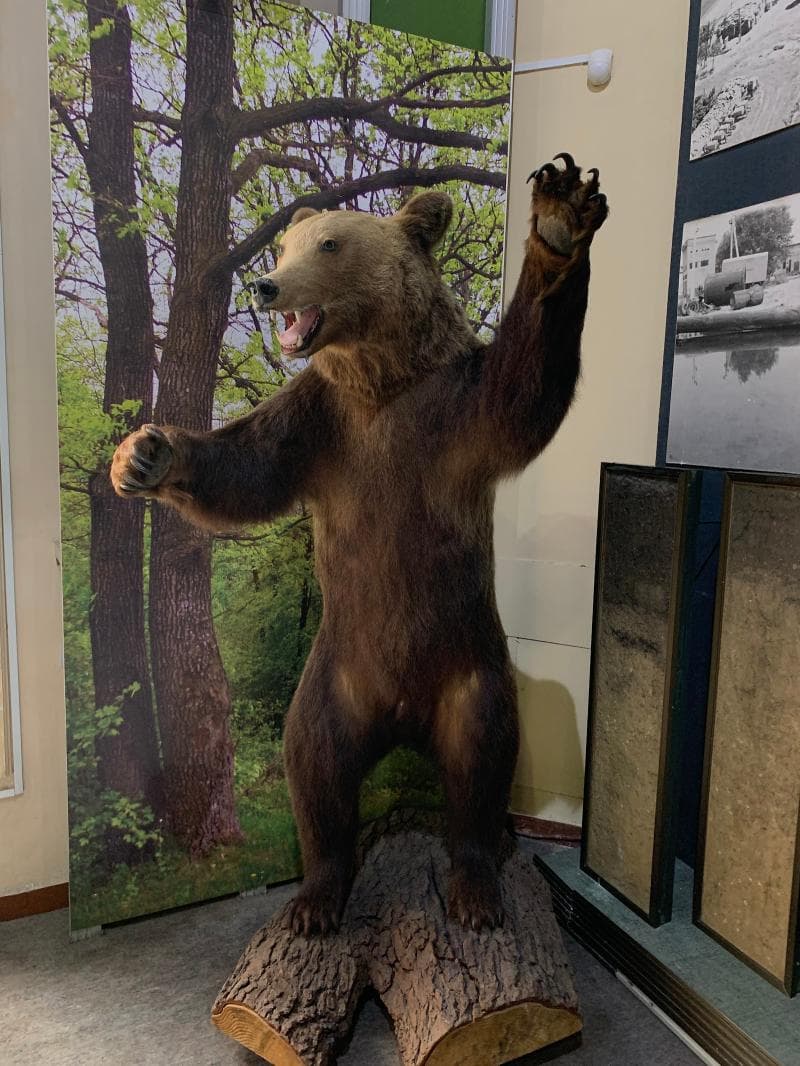
Explore Moldova's cultural heart at the National Museum Of Ethnography And Natural History in Chisinau, delving into its exquisite Traditional Costumes collection.
Overview
Stepping into the National Museum of Ethnography and Natural History in Chisinau, Moldova, offers a unique journey through time and culture. This venerable institution, the oldest museum in Moldova, founded in 1889, is not merely a repository of artifacts; it is a vibrant narrative of the nation's identity. While its permanent exhibition, 'Nature. Human. Culture,' spans vast subjects from geology to zoology, one particular sub-spot captivates with its intricate beauty and profound cultural depth: the collection of Traditional Costumes.
This impressive collection, boasting over 2330 objects of traditional wear, provides an intimate glimpse into the soul of Moldovan people. It showcases the artistry, history, and social fabric woven into every stitch and pattern of the nation's folk attire. For any curious traveler, exploring these garments is an essential stop to truly understand Moldova's enduring heritage.
History & Cultural Background
The history of Moldovan traditional costumes is as rich and layered as the country's past itself, spanning hundreds and even thousands of years. These garments are more than mere clothing; they are the tangible embodiment of a community's work, rituals, holidays, and national folklore. Historically, traditional dress played a crucial role in society, often indicating a person's social standing and hierarchical position.
The creation of these intricate pieces was predominantly the domain of women, who meticulously prepared textile fibers like hemp and linen, wove the cloth, and painstakingly embroidered and decorated shirts, skirts, and other elements. Men also contributed, processing fabrics and leather for more robust winter wear and footwear. The traditional Moldovan culture, particularly its attire, developed under the influence of ancient civilizations from the northern Black Sea coast, the Balkan Peninsula, and Eastern Europe, reflecting a complex ethnic tapestry that, while unique, shares similarities with Romanian folk costumes due to a shared history and cultural heritage.
What Makes It Special
What makes the Traditional Costumes exhibition truly special is its comprehensive portrayal of Moldovan identity through clothing. The museum's vast collection, including precious national clothes, textiles, and accessories, offers diverse examples of regional variations. Visitors can observe the distinct characteristics of women's costumes from northern Moldavia, with richly embroidered chemises and woolen skirts, or the gathered skirts and kerchiefs typical of the central region. Men's wear also varied, from light-colored garments in the north to darker trousers and wide woolen belts in the south.
A standout element is the 'Ia,' the traditional Moldovan blouse, renowned for its white cotton, linen, or wool fabric and exquisite embroidery that highlights the neck, chest, and sleeves. The 'cămașa cu altiță,' a shirt with specific shoulder embroidery, is particularly significant, recognized by UNESCO as an essential component of intangible cultural heritage. The traditional execution techniques of weaving, sewing, and embroidery are evident throughout the collection, showcasing linear, abstract, and geometrical motifs that tell stories of each village's unique style.
Stories, Fun Facts & Local Details
The costumes tell silent stories, revealing aspects of daily life and special occasions. These traditional garments, such as the 'Ia' blouse, were not typically worn every day but reserved for holidays and significant events, marking them as cherished possessions. The symbolism embedded in the motifs is profound; ancestral symbols like the 'tree of life' or 'sun worship' and depictions of local flora and fauna are common, reflecting a deep connection to nature and heritage.
The museum actively participates in cultural preservation, often hosting special exhibitions, particularly around the National Day of the Traditional Costume, celebrated on the last Sunday of June. Initiatives like 'Șezătoarea Basarabiei,' a community dedicated to revitalizing traditional Romanian costumes, have collaborated with the museum to create and exhibit new shirts based on old designs, demonstrating a living heritage. These efforts help save precious Bessarabian shirts 'from extinction,' ensuring that the artistry and stories endure for future generations.
Visitor Perspective
For the curious traveler, a visit to the Traditional Costumes exhibition is a deeply enriching experience. It's an opportunity to connect with Moldova's past and present through the tangible art of textiles. The vibrant colors, intricate patterns, and diverse styles on display offer more than just visual appeal; they provide a window into the Moldovan soul, revealing the resilience, creativity, and identity of a people shaped by centuries of tradition and influence. You'll gain a profound appreciation for the craftsmanship and the narratives woven into each garment, fostering a deeper understanding of this remarkable culture within the historic setting of Moldova's oldest museum.
Coordinates: 28.847587, 47.027581
View on Google Maps💬 How Travelers Describe This Place
Based on community votes
Beautiful
623Interesting
545Unique
343Must See
302Photogenic
20
Traveler Stories
Discover memorable experiences shared by travelers who have visited this place.
No traveler stories yet.
Be the first traveler to share what made this place memorable.

Tour
By
Spot
Discover amazing places around the world. Your journey starts here.
Explore
© 2026 TourBySpot. All rights reserved.