Traditional Chinese Shops
Manila, Philippines
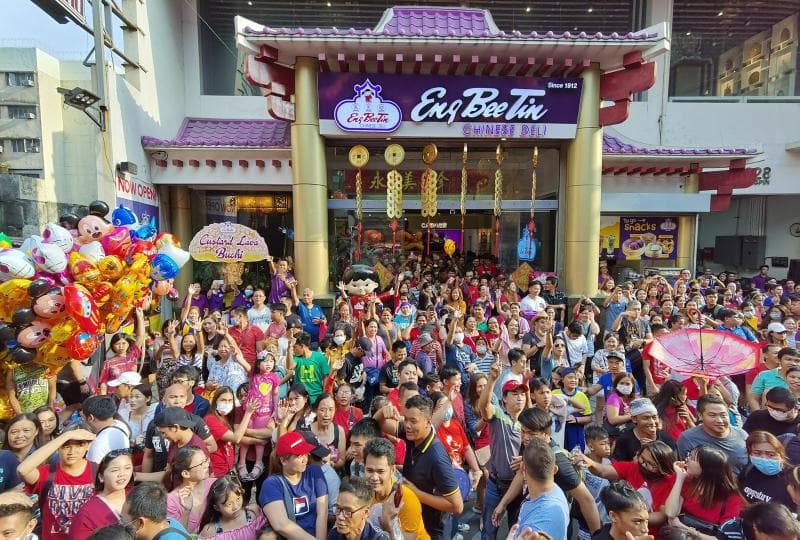
Explore the Traditional Chinese Shops of Binondo, Manila, Philippines – the world's oldest Chinatown – for a unique blend of culture, history, and authentic goods.
Overview
Stepping into the Traditional Chinese Shops of Binondo in Manila, Philippines, is like traversing a living bridge between centuries of history and vibrant present-day commerce. Binondo proudly holds the distinction of being the world's oldest Chinatown, established in 1594. It is a district where the echoes of ancient trade routes blend seamlessly with the daily bustle of Filipino-Chinese life, offering a unique and deeply enriching cultural experience. This historic enclave, nestled across the Pasig River from the old walled city of Intramuros, has long been a vital hub for business, finance, and cultural exchange.
The traditional shops of Binondo are not mere retail outlets; they are custodians of heritage, selling everything from age-old remedies and auspicious charms to delectable culinary creations and intricate jewelry. Each storefront tells a story of perseverance, adaptation, and the enduring spirit of a community that has shaped Manila's identity for over four centuries.
History & Cultural Background
Binondo's origins trace back to 1594 when Spanish Governor Luis Pérez Dasmariñas established it as a permanent settlement for Chinese immigrants, known as 'sangleys', who had converted to Catholicism. This strategic placement across the Pasig River from the Spanish-held Intramuros allowed colonial authorities to both monitor and foster trade with the Chinese community. Over time, Binondo evolved into a remarkable melting pot where Chinese, Filipino, and Spanish traditions intertwined, creating a distinct culture that is still evident today. The Binondo Church, founded by Dominican priests in 1596, was instrumental in this integration, serving as a spiritual and community anchor for Chinese converts. Prior to the Spanish colonial period, Binondo was already a center of Chinese commerce, a legacy that continued to flourish, making it a primary hub for business and finance in Manila.
What Makes It Special
What truly sets Binondo's traditional Chinese shops apart is their deep-rooted authenticity and the tangible connection they offer to a rich, continuous history. As the world's oldest Chinatown, its streets are a living museum, where centuries-old practices endure alongside modern life. Ongpin Street, for instance, remains the district's vibrant artery, renowned for its gold and jewelry shops, traditional apothecaries selling herbal medicines, and an array of eateries. The shops are often family-run, passed down through generations, preserving specialized crafts and recipes. Beyond commerce, Binondo represents a unique cultural fusion, where traditional Chinese architecture, beliefs, and culinary arts have been adapted and embraced within a Filipino context, making it a testament to cultural resilience and dynamism.
Stories, Fun Facts & Local Details
- The Gold Standard: Ongpin Street is particularly famous for its gold shops. The tradition of purchasing gold here goes back generations, with many families considering it an investment and a symbol of prosperity. The craftsmanship often reflects a blend of traditional Chinese designs and local preferences.
- Hopia's Evolution: Eng Bee Tin Chinese Deli, a famous establishment in Binondo, is credited with popularizing the ube-flavored hopia in the 1980s, transforming a traditional Chinese pastry with a uniquely Filipino twist. Their flagship store is a popular stop for both locals and tourists seeking these beloved treats.
- A Literary Connection: It is said that Philippine national hero Jose Rizal frequented Binondo, and some accounts suggest he dined at Panciteria Macanista de Buen Gusto, a restaurant mentioned in his novel 'Noli Me Tángere'. While definitive archival proof is debated, the story adds a layer of historical intrigue.
- Feng Shui and Fortune: Numerous shops in Binondo specialize in feng shui items, charms, and crystals, reflecting the enduring belief in balancing energies for luck, health, and success. These establishments often offer guidance on selecting items to enhance one's fortune.
Visitor Perspective
For a curious traveler, the Traditional Chinese Shops of Binondo offer an immersive sensory journey. The aroma of freshly baked hopia mingles with the scent of traditional herbs from apothecaries. The vibrant colors of fruits and delicacies spill onto Carvajal Street, creating a lively market atmosphere. Engaging with the shopkeepers, many of whom are fluent in both Chinese dialects and Tagalog, provides an authentic glimpse into the community's daily life and history. Walking tours, particularly food crawls, are a popular way to explore the district, allowing visitors to sample traditional dim sum, noodles, and other Chinese-Filipino delights from long-standing eateries. Whether you're searching for unique souvenirs, a specific traditional ingredient, or simply soaking in the ambiance of a truly historic and culturally rich district, Binondo's traditional shops promise an unforgettable experience that is as educational as it is delightful. Bargaining is often part of the experience, adding to the lively interaction.
Coordinates: 120.967, 14.6
View on Google Maps💬 How Travelers Describe This Place
Based on community votes
Must See
276Interesting
152Photogenic
33Beautiful
30Unique
16
Traveler Stories
Discover memorable experiences shared by travelers who have visited this place.
No traveler stories yet.
Be the first traveler to share what made this place memorable.

Tour
By
Spot
Discover amazing places around the world. Your journey starts here.
Explore
© 2026 TourBySpot. All rights reserved.