Tower Terraces
Lisbon, Portugal
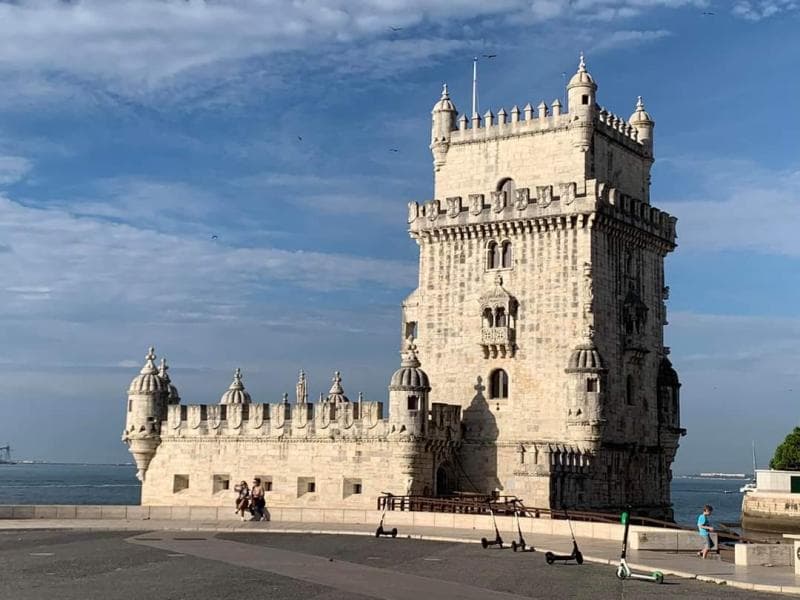
Explore the historic Tower Terraces of Belém Tower in Lisbon, Portugal. Discover Manueline architecture, panoramic river views, and rich maritime history.
Overview
Perched majestically at the mouth of the Tagus River in Lisbon, Portugal, the Tower Terraces of the Belém Tower offer a unique vantage point into centuries of Portuguese history and maritime prowess. This iconic 16th-century fortification, a UNESCO World Heritage Site, is renowned for its distinctive Manueline architecture and its significant role during the Age of Discoveries. As you ascend the tower's narrow spiral staircase, each terrace unveils a different chapter of its past, from defensive stronghold to ceremonial gateway, culminating in breathtaking panoramic views over the river and the vibrant Belém district. The Tower Terraces are not merely viewpoints but integral parts of the tower's design and narrative, inviting curious travelers to literally walk through history.
History & Cultural Background
The Belém Tower, originally known as the Torre de São Vicente, was constructed between 1514 and 1519, during the prosperous reign of King Manuel I. It served primarily as a defensive fortress protecting Lisbon's harbor, strategically positioned to guard against naval invasions and control maritime traffic. Beyond its military function, it also stood as a ceremonial gateway, a grand symbol of Portugal's global influence and wealth during the Age of Discoveries. Designed by Francisco de Arruda, the tower's architecture is a magnificent example of the Manueline style, blending Gothic, Renaissance, and Moorish influences, evident in its ornate carvings and distinctive elements.
The terraces themselves played crucial roles in the tower's various capacities. The lower bastion terrace, with its strategically placed cannons, formed the primary line of defense, guarding the estuary against intruders. This area also housed dungeons below, later used as a prison, adding a somber layer to its history. The upper terraces provided essential observation points, allowing vigilant watch over the river and serving as platforms for signaling and communication, especially during its time as a lighthouse and customs checkpoint in later centuries.
What Makes It Special
What truly makes the Tower Terraces special is their ability to transport visitors directly into the heart of Portugal's Age of Discovery. Unlike simple viewing platforms, these terraces are woven into the very fabric of the tower's architectural and historical identity. The intricate Manueline details, such as twisted ropes, armillary spheres, and the Cross of the Order of Christ, which adorn the exterior walls and turrets visible from the terraces, speak volumes of Portugal's nautical heritage and the king's personal emblems. The terraces provide intimate encounters with these sculpted narratives, offering a tangible connection to the past.
The strategic positioning of the tower, originally on a small island in the Tagus and now closer to the riverbank due to silting, is best appreciated from these outdoor spaces. From the upper terrace, the expansive views stretch across the Tagus River, encompassing the 25 de Abril Bridge and the Monument to the Discoveries, visually connecting the tower to other symbols of Portugal's exploratory spirit. These terraces allow visitors to grasp the scale of the tower's defensive capabilities and its symbolic power as the 'gateway to Lisbon' for returning explorers and incoming vessels.
Stories, Fun Facts & Local Details
One of the most charming details visible from the bastion terrace is a statue of Our Lady of Safe Homecoming, watching over seafarers as they ventured into the unknown or returned from their long voyages. This poignant figure embodies the hopes and prayers of a nation deeply connected to the sea. Another fascinating curiosity is the rhinoceros gargoyle on the tower's western facade, an early European depiction of the animal, commemorating a gift from the Sultan of Gujarat to King Manuel I in the 16th century. This unusual detail highlights the exotic riches and global connections forged during Portugal's golden age.
The open terrace on the bastion level once featured an interior courtyard, possibly designed to vent smoke from cannon fire, showcasing the practical ingenuity behind its construction. Over its history, the tower briefly served as a prisoner-of-war camp, with one account even mentioning French soldiers attempting to escape by digging a tunnel during the Napoleonic Wars. These stories, while not always directly visible, are imbued in the very stones of the terraces, enriching the visitor's experience and providing a deeper cultural context to this celebrated landmark.
Visitor Perspective
A visit to the Tower Terraces is an immersive journey. As you navigate the narrow, often crowded, spiral staircase connecting the tower's five floors, a sense of anticipation builds with each level. Upon reaching the upper terrace, the reward is a breathtaking 360-degree panorama of Lisbon, the Tagus River, and the Atlantic Ocean beyond. From here, you can truly appreciate the tower's strategic location and its harmonious integration with the surrounding landscape. The lower bastion terrace offers a different perspective, allowing you to walk among the cannon emplacements and feel the protective embrace of its sturdy walls. Whether gazing at the distant horizon or examining the detailed stonework up close, the terraces offer moments of reflection and wonder, making them an unforgettable part of the Belém Tower experience.
Coordinates: -9.21611, 38.69167
View on Google Maps💬 How Travelers Describe This Place
Based on community votes
Photogenic
896Beautiful
102Unique
102Interesting
95Must See
87
Traveler Stories
Discover memorable experiences shared by travelers who have visited this place.
No traveler stories yet.
Be the first traveler to share what made this place memorable.

Tour
By
Spot
Discover amazing places around the world. Your journey starts here.
Explore
© 2026 TourBySpot. All rights reserved.