Tower
Hamburg, Germany
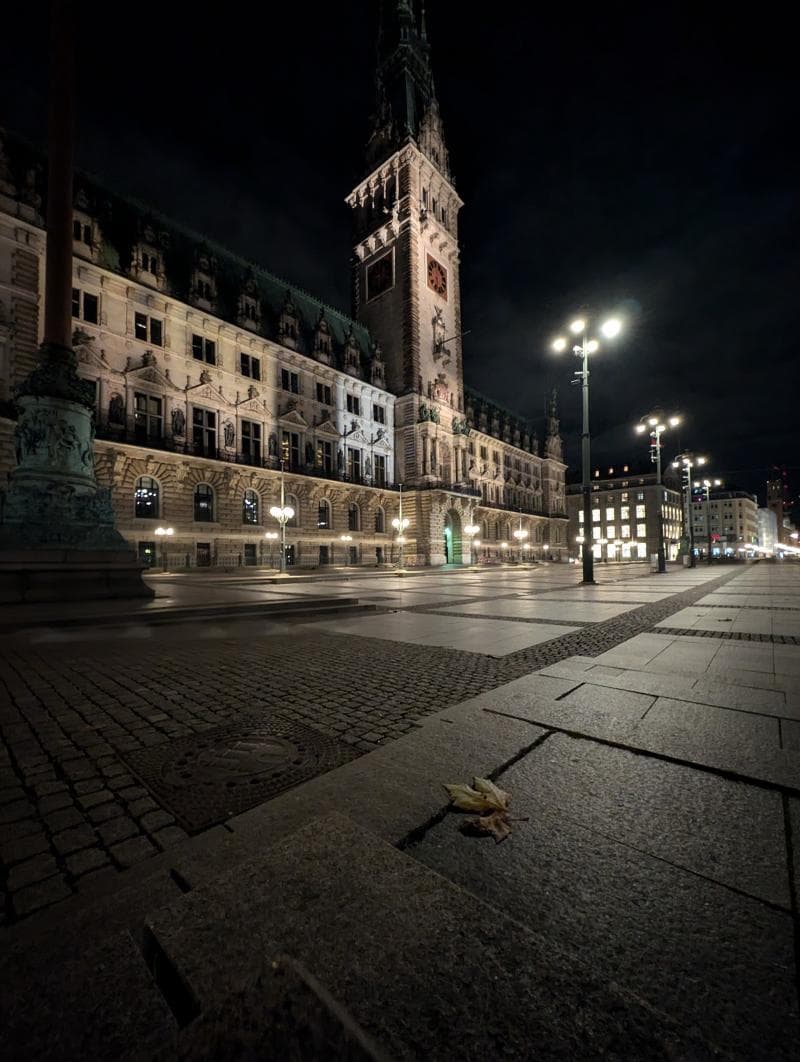
Discover the majestic Tower of Hamburg Rathaus in Hamburg, Germany. Explore its Neo-Renaissance architecture, phoenix symbolism, and rich history.
Overview
Dominating the heart of Hamburg's historic Altstadt quarter, the magnificent Tower of the Hamburg Rathaus (City Hall) stands as a proud testament to the city's rich history, enduring spirit, and republican traditions. This architectural marvel, part of the larger Rathaus complex, is much more than just a tall structure; it is a symbol woven into the fabric of Hamburg. Situated prominently on the Rathausmarkt square, close to the tranquil waters of the Binnenalster lake, the tower is an unmissable landmark for anyone exploring this vibrant Hanseatic city. Its impressive stature and intricate design immediately capture the eye, inviting onlookers to delve into the stories it holds.
History & Cultural Background
The current Hamburg Rathaus, and its iconic tower, rose from the ashes of a devastating past. After the previous city hall was tragically destroyed in the Great Fire of 1842, it took over five decades for a new seat of government to be constructed. The foundation stone for this grand replacement was laid in 1886, with the official inauguration taking place in 1897. This period of rebuilding coincided with an era of immense wealth and prosperity for Hamburg, following the Franco-Prussian War and the formation of the German Empire. The new Rathaus was deliberately designed to showcase this prosperity and, importantly, to assert Hamburg's independence as a Free and Hanseatic City, distinct from the imperial influences of the time. Its elaborate style, a blend of Neo-Renaissance, Gothic, and Baroque elements, was a clear departure from the more restrained Hanseatic architecture that typically characterized the city.
What Makes It Special
The Tower of the Hamburg Rathaus is a true architectural masterpiece, soaring to a height of 112 meters (367 feet) and featuring an astounding 436 steps within. This makes it one of the tallest and most significant landmarks in Hamburg, rivaling the city's historic church spires in its visual impact. The tower's façade is richly adorned, reflecting the meticulous craftsmanship of its builders. A particularly striking feature, located on the central tower just beneath the large clock, is the powerful sculpture of a phoenix. With wings spread wide, this phoenix dramatically rises from flames, a poignant symbol commemorating the Great Fire of 1842 and embodying Hamburg's resilience with the motto 'Resurgam' (I will rise again). The Rathaus itself is famously vast, containing 647 rooms—a number sometimes noted for being more than Buckingham Palace, though interpretations of this fact vary. The entire colossal structure rests on more than 4,000 oak piles driven deep into the marshy ground of the Alster basin, a testament to the engineering prowess required to build such a magnificent edifice in its location.
Stories, Fun Facts & Local Details
Beyond its grand appearance, the Rathaus tower and the building it crowns are rich with fascinating stories. The phoenix sculpture is a deeply meaningful detail, constantly reminding the city of its rebirth and strength after devastation. An amusing anecdote tells of a 647th room in the Rathaus being accidentally discovered in 1971 by staff searching for a dropped document, suggesting the building's labyrinthine nature holds even more secrets. The exterior of the Rathaus, including elements around the tower's base, features 20 statues of emperors and 28 character bust sculptures. These busts depict various important civil professions of the port city, such as a fisherman, skipper, merchant, and baker, celebrating the ordinary citizens who contributed to Hamburg's prosperity. The green hue of the copper roof, a natural patina developed over more than a century, further enhances the tower's historical character.
Visitor Perspective
For visitors to Hamburg, the Rathaus tower serves as a constant visual anchor and a captivating focal point. While public access directly into the tower for an ascent is not a regular feature, its sheer presence and external details offer a profound experience. The tower's commanding height makes it visible from many parts of the city, guiding travelers through the bustling streets. Approaching the Rathausmarkt, the tower draws the eye upward, its intricate carvings and the symbolic phoenix sculpture inviting closer inspection. The Rathausmarkt itself, often a hub of activity with markets, concerts, and events, provides a dynamic foreground to the tower's majestic backdrop. The entire Rathaus building, with its impressive tower, stands as an open invitation to appreciate Hamburg's resilience, its architectural ambition, and its enduring civic pride.
Coordinates: 9.99222, 53.55028
View on Google Maps💬 How Travelers Describe This Place
Based on community votes
Photogenic
998Must See
685Unique
472Beautiful
399Interesting
92
Traveler Stories
Discover memorable experiences shared by travelers who have visited this place.
No traveler stories yet.
Be the first traveler to share what made this place memorable.

Tour
By
Spot
Discover amazing places around the world. Your journey starts here.
Explore
© 2026 TourBySpot. All rights reserved.