Tower Bridge Exhibition
London, United Kingdom
Explore London's Tower Bridge Exhibition: uncover Victorian engineering, walk glass walkways 42m above the Thames, and discover its rich history. A must-see in London, UK.
Overview
The Tower Bridge Exhibition offers a remarkable journey inside one of London's most iconic landmarks, Tower Bridge. Far more than just a crossing over the River Thames, this exhibition invites visitors to delve into the bridge's fascinating history, its groundbreaking Victorian engineering, and the lives of those who built and operated it. Beginning in the North Tower, the experience takes you high above the river, through spectacular walkways, and eventually down to the historic Engine Rooms, revealing the inner workings of this world-renowned structure.
It provides unparalleled panoramic views of the city, including famous sights like St. Paul's Cathedral, The Shard, and the Tower of London, making it a must-visit for anyone seeking to understand London's industrial heritage and enjoy breathtaking vistas.
History & Cultural Background
Constructed between 1886 and 1894, Tower Bridge was a colossal undertaking designed to address London's growing traffic problems while maintaining river access for tall-masted ships destined for the Pool of London. Designed by Horace Jones and engineered by John Wolfe Barry, it is a magnificent example of Victorian ingenuity, combining a bascule (like a seesaw) and suspension bridge.
The bridge's Gothic-style towers, often mistaken for a medieval castle, were intentionally designed to harmonize with the nearby Tower of London. Its construction required 30,000 tons of stone and employed hundreds of workers over eight years. When it first opened, it was known as the 'Wonder Bridge,' a testament to its advanced engineering for the era.
What Makes It Special
The Tower Bridge Exhibition stands out for several unique features. A major highlight is the high-level walkways, connecting the North and South Towers, which offer extraordinary views from 42 meters (138 feet) above the River Thames. A thrilling addition to these walkways is the glass floor, installed in 2014, allowing visitors to look directly down at the bustling road traffic and river activity below, creating an exhilarating perspective.
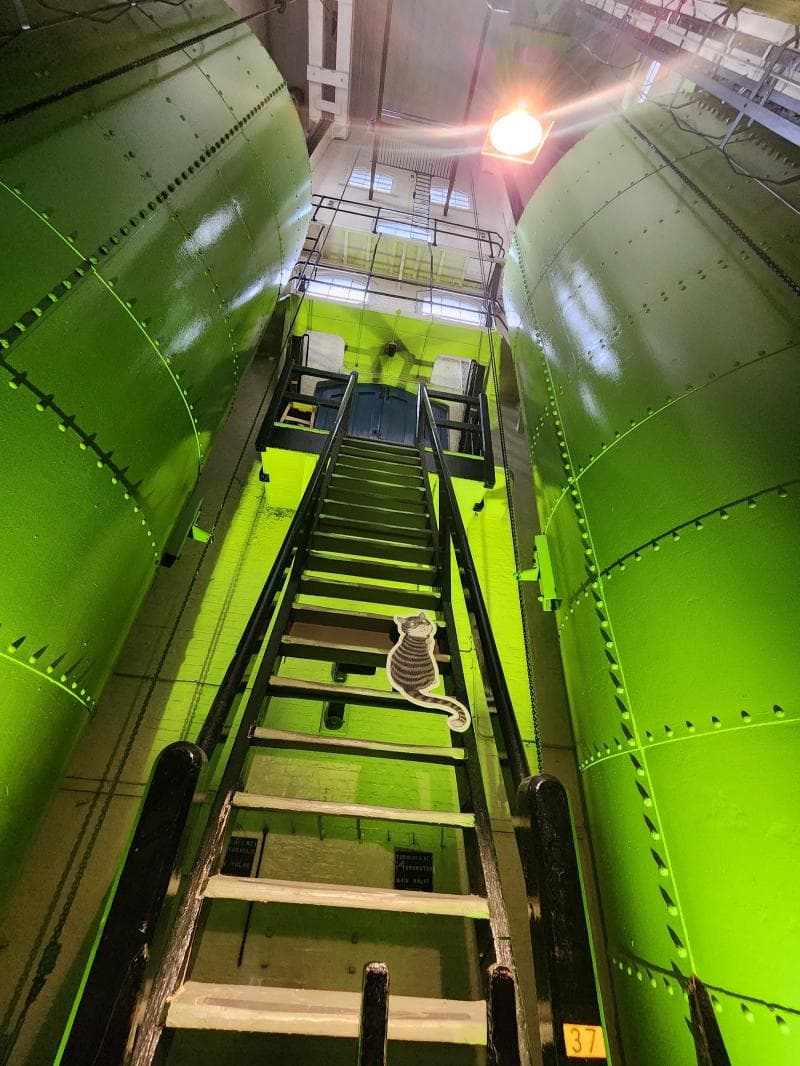
Equally captivating are the Victorian Engine Rooms, located at the base of the South Tower. Here, visitors can witness the meticulously preserved steam engines that once powered the bridge's immense bascules. These engines, which consumed up to 20 tons of coal weekly, showcase the impressive hydraulic technology that allowed the bridge to open regularly for river traffic until they were replaced by electric systems in 1976.
Stories, Fun Facts & Local Details
Tower Bridge is rich with fascinating stories and anecdotes. When the bridge first opened in 1894, it would lift 20 to 30 times a day to allow ships to pass, a stark contrast to today's average of about 850 openings per year. Interestingly, the high-level walkways were originally closed to the public in 1910 due to underuse, as pedestrians preferred to wait at street level for the bascules to close. They were reopened as part of the exhibition in 1982.
One memorable event occurred on December 30, 1952, when a double-decker London bus, realizing the bridge was opening, famously jumped the central gap. Another lesser-known fact is that four unauthorized planes have flown between the towers, including a biplane in 1912 and a Hawker Hunter jet in 1968. The glass floor in the walkways is 80mm thick and designed to hold the weight of six elephants.
Visitor Perspective
A visit to the Tower Bridge Exhibition begins in the North Tower, where multimedia presentations and historical displays set the scene of Victorian London and explain why the bridge was built. Visitors then ascend by lift (or stairs, for those who prefer) to the high-level walkways. From here, the panoramic views are a major draw, offering photo opportunities of landmarks like the Tower of London, Canary Wharf, and The Shard.
The journey continues to the Victorian Engine Rooms, where interactive exhibits bring the bridge's operational history to life. The exhibition is designed as a one-way route, ensuring a smooth flow for exploration. Many visitors praise the blend of historical insight, engineering marvel, and the thrilling experience of the glass floor, making it both educational and exhilarating.
Coordinates: -0.072, 51.5033
View on Google Maps💬 How Travelers Describe This Place
Based on community votes
Unique
910Beautiful
755Photogenic
658Interesting
374Must See
28
Traveler Stories
Discover memorable experiences shared by travelers who have visited this place.
No traveler stories yet.
Be the first traveler to share what made this place memorable.

Tour
By
Spot
Discover amazing places around the world. Your journey starts here.
Explore
© 2026 TourBySpot. All rights reserved.