Tomb of Sultan Suleiman the Magnificent
Istanbul, Turkey
Explore the Tomb of Sultan Suleiman the Magnificent, a magnificent octagonal mausoleum within the Süleymaniye Mosque complex in Istanbul, Turkey.
Overview
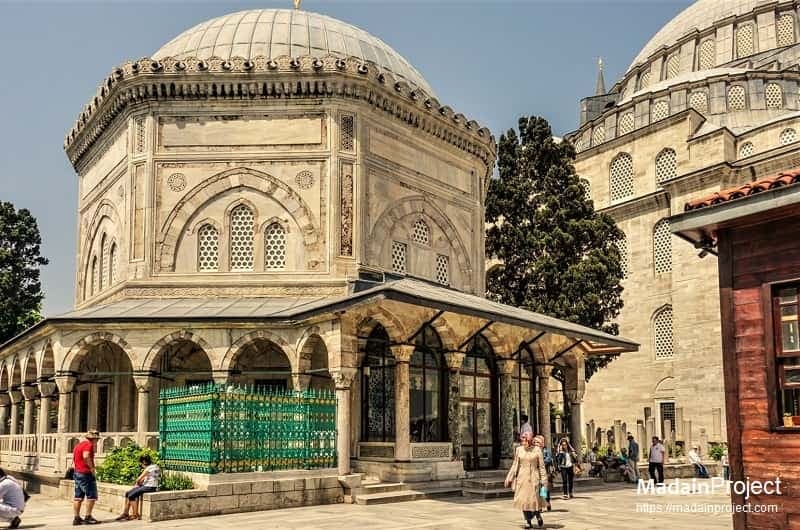
Nestled within the serene gardens of the Süleymaniye Mosque complex in Istanbul, Turkey, lies the stately Tomb of Sultan Suleiman the Magnificent. This octagonal mausoleum serves as the final resting place for one of the Ottoman Empire's most influential rulers, Sultan Suleiman I, also known as Suleiman the Lawgiver or Suleiman the Magnificent. Commissioned after his death, this türbe, or tomb, is a striking example of classical Ottoman architecture and an integral part of the grand mosque complex, designed by the legendary architect Mimar Sinan. Its presence behind the qibla wall of the mosque underscores its profound spiritual and historical significance, inviting visitors to reflect on the legacy of a golden age.
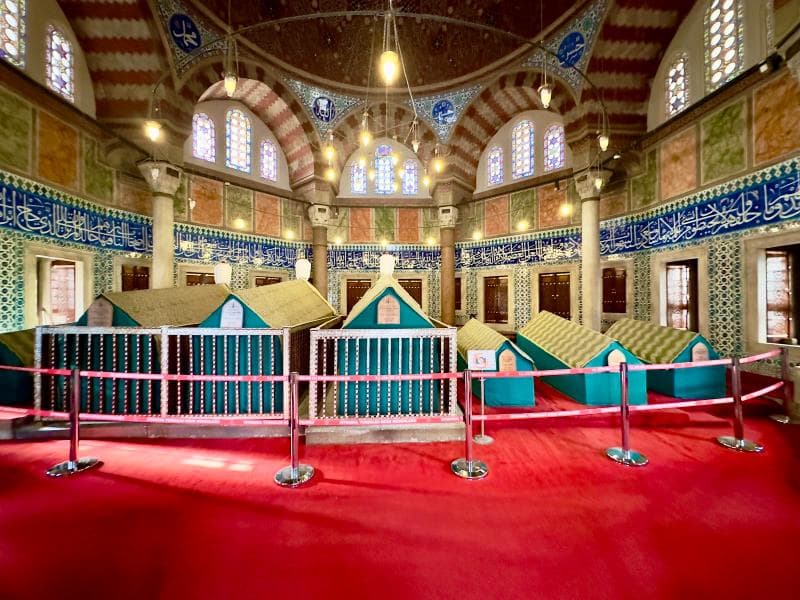
The tomb is a distinct octagonal structure, surrounded by a peristyle, and stands as a testament to the architectural and artistic prowess of the 16th century Ottoman Empire. It houses not only the sarcophagus of Sultan Suleiman himself but also those of several other prominent figures from the Ottoman dynasty, including his beloved daughter, Mihrimah Sultan.
History & Cultural Background
Sultan Suleiman I reigned for 46 years, from 1520 to 1566, making him the longest-reigning Ottoman sultan. His era is widely considered the 'Golden Age' of the Ottoman Empire, marked by significant advancements in law, administration, culture, and architecture.
Known as 'Suleiman the Lawgiver' (Kanuni Sultan Süleyman) within his own lands for his comprehensive legal reforms, and 'Suleiman the Magnificent' in Europe for his military conquests and diplomatic achievements, his influence extended across vast territories.
The Süleymaniye Mosque, a UNESCO World Heritage site, was commissioned by Suleiman the Magnificent and built between 1550 and 1557 by his chief architect, Mimar Sinan. After Suleiman's death in 1566 during a military campaign in Szigetvár, Hungary, his body was brought back to Istanbul for burial. His mausoleum was constructed between 1566 and 1568, an undertaking overseen by his son and successor, Selim II, further solidifying the mosque complex's status as a dynastic and imperial monument.
What Makes It Special
The Tomb of Sultan Suleiman the Magnificent is distinguished by its exquisite architectural and decorative elements. The octagonal structure features a beautiful surrounding peristyle with a roof supported by 24 columns, a unique design choice. The interior is a feast for the eyes, adorned with some of the earliest examples of Iznik tiles that incorporate the striking emerald green color, which later became a hallmark of Iznik ceramics.
The walls and pendentives are covered with these polychrome Iznik tiles, creating a vibrant and sacred atmosphere. An inscription band above the windows features verses from the Quran, adding a layer of spiritual depth to the space. The tomb's interior is illuminated by numerous stained-glass windows, some at ground level and others set in the tympana under the arches, allowing light to gently filter in. Beyond Suleiman's own sarcophagus, the mausoleum also houses the tombs of his daughter, Mihrimah Sultan, and two later Ottoman sultans, Suleiman II and Ahmed II, making it a significant dynastic burial site.
Stories, Fun Facts & Local Details
One fascinating detail surrounding Sultan Suleiman's burial is that while his body was returned to Istanbul, his internal organs were interred near the site of his death in Szigetvár, Hungary, as per a military tradition to preserve his body for the long journey back to the capital. This duality in his burial sites adds a poignant layer to his historical narrative.
Adjacent to Suleiman's tomb, within the same garden enclosure, lies the smaller, yet equally significant, mausoleum of his beloved wife, Hurrem Sultan, famously known as Roxelana. Their close proximity in death reflects their powerful bond and influence during their lives. The allure of their story, particularly the love between Suleiman and Hurrem, has been popularized globally through historical dramas like 'Magnificent Century,' bringing renewed interest to their lives and their final resting places.
The Süleymaniye complex, including the tombs, reflects the Ottoman Empire's integrated approach to urban planning, encompassing not just a mosque but also schools, a hospital, and public kitchens, serving as a comprehensive social center.
Visitor Perspective
Visiting the Tomb of Sultan Suleiman the Magnificent offers a profound journey into Ottoman history and architectural splendor. Located on Istanbul's Third Hill, the Süleymaniye Mosque complex provides breathtaking panoramic views of the Golden Horn and the city, a perfect backdrop to this historical site. The atmosphere within the complex is generally calmer and more contemplative than some of Istanbul's busier attractions, allowing for a more reflective experience.
As an active place of worship, the mosque complex is open to visitors, but respectful conduct is essential. Modest dress is required for entry; women should cover their heads and shoulders, and shoes must be removed before entering the prayer hall or the tombs. There is no entrance fee to visit the mosque or the tombs, though donations are accepted. It's advisable to avoid visiting during prayer times, especially Friday midday prayers, to ensure a peaceful and respectful experience for both worshippers and tourists.
Coordinates: 28.9639, 41.0161
View on Google Maps💬 How Travelers Describe This Place
Based on community votes
Interesting
800Must See
658Beautiful
589Photogenic
387Unique
90
Traveler Stories
Discover memorable experiences shared by travelers who have visited this place.
No traveler stories yet.
Be the first traveler to share what made this place memorable.

Tour
By
Spot
Discover amazing places around the world. Your journey starts here.
Explore
© 2026 TourBySpot. All rights reserved.