Süleymaniye Mosque
Istanbul, Turkey
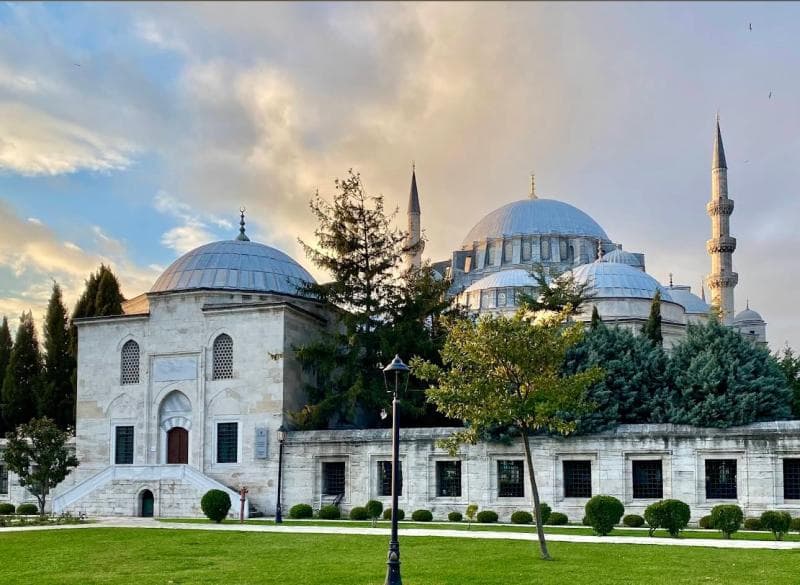
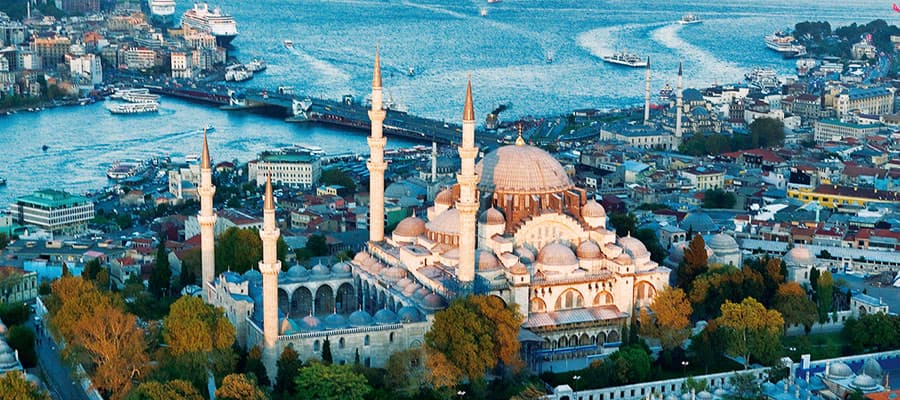
Discover the Süleymaniye Mosque in Istanbul, Turkey, a masterpiece of Ottoman architecture by Mimar Sinan, offering rich history and stunning views.
Overview
Perched majestically on Istanbul's Third Hill, the Süleymaniye Mosque (Süleymaniye Camii) stands as a breathtaking testament to Ottoman imperial power and architectural genius. Commissioned by Sultan Süleyman the Magnificent and brought to life by his chief architect, Mimar Sinan, this grand mosque is more than just a place of worship; it is a sprawling complex, or külliye, that once served many community needs. From its elevated position, it offers unparalleled panoramic views of the Golden Horn, the Bosphorus, and the historic city, making it a prominent feature of Istanbul's skyline. Designated a UNESCO World Heritage Site as part of the Historic Areas of Istanbul, the Süleymaniye Mosque is a must-visit for anyone seeking to understand the city's rich past and cultural tapestry.
History & Cultural Background
The construction of the Süleymaniye Mosque began in 1550 and was completed in 1557, a period representing the zenith of the Ottoman Empire under Sultan Süleyman I, often referred to as 'the Lawgiver' or 'the Magnificent'. Süleyman's vision was to create a mosque that would rival the grandeur of the Byzantine-built Hagia Sophia, a symbol of Ottoman dominance and cultural prowess. Mimar Sinan, regarded as one of the greatest architects of the Ottoman era, was entrusted with this monumental task. The mosque was part of an extensive külliye, a complex designed to provide religious, educational, and social services to the community. Over centuries, the Süleymaniye has endured challenges, including a significant fire in 1660 which necessitated restoration by Sultan Mehmed IV, and damage from the earthquake of 1766. While some restorations introduced Baroque elements, subsequent efforts, particularly a major restoration from 2007–2010, aimed to preserve its original classical Ottoman style.
What Makes It Special
The Süleymaniye Mosque is celebrated for its harmonious proportions, elegant design, and ingenious engineering. Mimar Sinan meticulously designed the mosque to achieve a balance between scale and serenity, often described as more graceful than the Hagia Sophia despite its slightly smaller size. The central dome, rising 53 meters high with a diameter of 26.5 meters, is a marvel of classical Ottoman architecture, supported by semi-domes and creating a vast, light-filled interior. Sinan's architectural genius is also evident in the mosque's earthquake-resistant foundations, a crucial innovation in a seismically active region. The mosque's four minarets, with a total of ten balconies, symbolically represent that Sultan Süleyman was the fourth sultan after the conquest of Istanbul and the tenth sultan of the Ottoman Empire. The interior is adorned with intricate Iznik tiles, stained-glass windows, and beautiful calligraphy, creating an atmosphere of tranquility and spiritual reflection.
Stories, Fun Facts & Local Details
Beyond the magnificent prayer hall, the Süleymaniye complex is rich with historical details and fascinating stories. The külliye originally included madrasas (Islamic schools), a hospital, a public kitchen (imaret) that fed the poor, a library, a hammam (Turkish bath), and shops. These facilities highlight the comprehensive social welfare system of the Ottoman Empire. In the enclosed cemetery behind the mosque, visitors can find the octagonal mausoleums of Sultan Süleyman the Magnificent and his beloved wife, Hürrem Sultan (Roxelana). Mimar Sinan himself, the visionary architect, is also buried in a humble tomb just outside the mosque complex, a testament to his profound connection to his masterpiece. The mosque's acoustics are legendary, designed to allow the Imam's voice to be heard clearly throughout the expansive prayer hall, thanks to strategic placement of ceramic jars and ingenious ventilation. For 462 years, the Süleymaniye held the distinction of being the largest mosque in Istanbul.
Visitor Perspective
Visiting the Süleymaniye Mosque offers a profound experience for travelers. While it remains an active place of worship, it welcomes visitors daily from early morning until late evening. Entry to the mosque is free, but visitors are expected to observe modest dress codes: women should cover their heads, and all visitors should wear long pants or skirts. Shoes must be removed before entering the prayer hall. It is important to be mindful of prayer times, during which the main hall is temporarily closed to tourists. The best times to visit are typically early mornings or late afternoons, avoiding Friday midday prayers. Beyond its architectural splendor, the mosque's location on the Third Hill provides one of Istanbul's most spectacular viewpoints. Visitors can spend an hour or two exploring the mosque, its courtyards, and the tombs, and then linger to enjoy the stunning vistas of the city and the serene atmosphere.
Coordinates: 28.9639, 41.0161
View on Google Maps💬 How Travelers Describe This Place
Based on community votes
Interesting
931Beautiful
692Unique
491Photogenic
266Must See
261
Traveler Stories
Discover memorable experiences shared by travelers who have visited this place.
No traveler stories yet.
Be the first traveler to share what made this place memorable.
Things to see at Süleymaniye Mosque



Tour
By
Spot
Discover amazing places around the world. Your journey starts here.
Explore
© 2026 TourBySpot. All rights reserved.