Tomb of Hürrem Sultan
Istanbul, Turkey
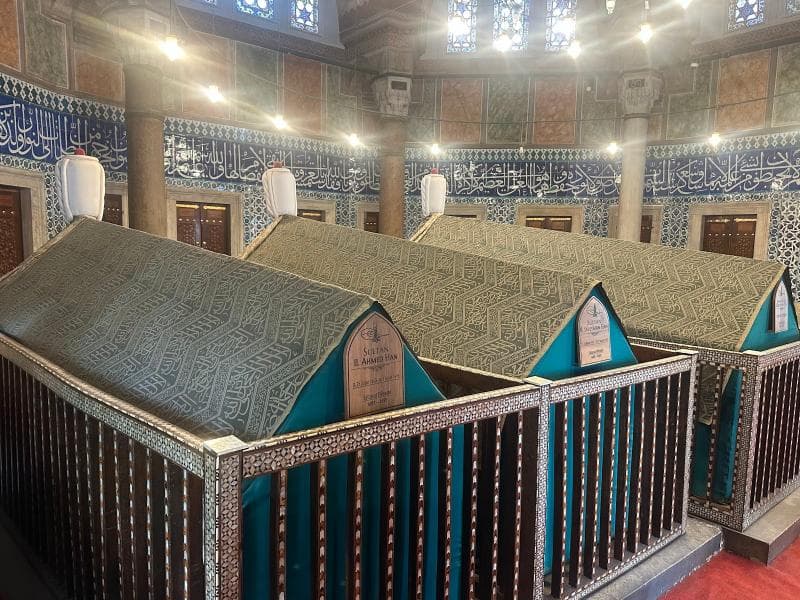
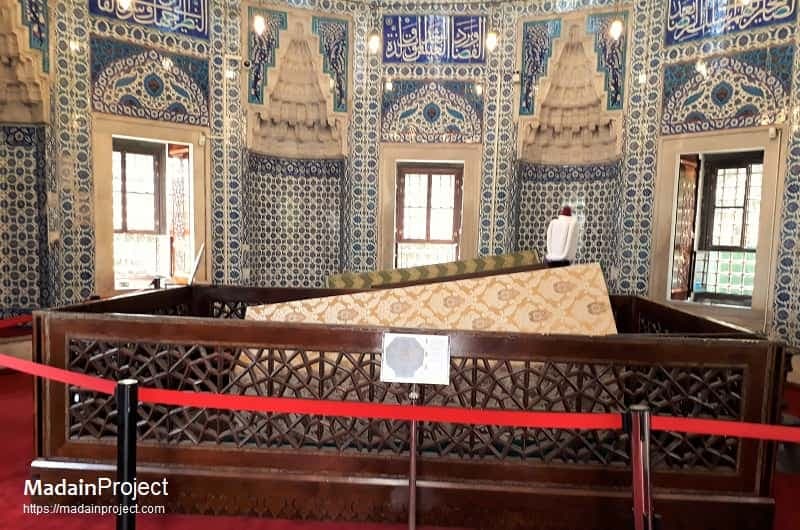
Explore the Tomb of Hürrem Sultan in Istanbul, Turkey, the beautiful resting place of Suleiman the Magnificent's influential wife, Roxelana. Discover its history, stunning Iznik tiles, and unique story.
Overview
Nestled within the magnificent Süleymaniye Mosque complex in Istanbul, Turkey, lies the serene and historically significant Tomb of Hürrem Sultan. This elegant mausoleum, known as a 'türbe' in Turkish, serves as the final resting place of one of the Ottoman Empire's most influential and captivating figures, Hürrem Sultan, also famously known as Roxelana. As you approach the grand mosque, her tomb, alongside that of her illustrious husband, Sultan Suleiman the Magnificent, stands as a testament to a powerful love story and an extraordinary life. Visiting this octagonal structure offers a poignant glimpse into Ottoman history, art, and the personal narrative of a woman who defied conventions to shape an empire.
The tomb is situated in the Fatih district of Istanbul, an area rich with historical monuments. Its presence within the Süleymaniye Complex, a UNESCO World Heritage Site, underscores its cultural importance, inviting travelers to explore the intricate details of its architecture and the profound story it holds.
History & Cultural Background
Hürrem Sultan's story is one of remarkable ascent. Born around 1505 in Ruthenia, then part of the Kingdom of Poland (modern-day Ukraine), she was captured during a slave raid and eventually brought to Constantinople. Entering the imperial harem, she quickly caught the attention of Sultan Suleiman the Magnificent, the tenth and longest-reigning Sultan of the Ottoman Empire.
Breaking centuries of Ottoman tradition, Suleiman not only fell deeply in love with Hürrem but also freed her and made her his legal wife. This unprecedented marriage elevated her status significantly, making her the first 'Haseki Sultan' – a title that acknowledged her as the chief consort and gave her immense power and influence within the court. She became a central figure in what historians refer to as the 'Sultanate of Women,' an era where imperial consorts played a prominent role in state affairs. Hürrem Sultan died on April 15, 1558, and her mausoleum was constructed the same year by the legendary Ottoman architect Mimar Sinan, a master craftsman responsible for many of Istanbul's iconic structures.
What Makes It Special
The Tomb of Hürrem Sultan is a masterpiece of 16th-century Ottoman architecture, designed by the renowned Mimar Sinan. The tomb's exterior is octagonal, a classic design for Ottoman mausoleums. However, it is the interior that truly captivates visitors with its exquisite decoration. The walls are lavishly adorned with original Iznik tiles, celebrated for their vibrant colors and intricate floral patterns, particularly depicting the garden of paradise. These tiles create a serene and almost ethereal atmosphere, reflecting Hürrem's Persian name, 'Hürrem,' which means 'the joyful and endearing one.'
The 16-sided interior features seven rectangular windows, each crowned with tiled lunettes and panels inscribed with epigraphic verses. Between these windows are eight mihrab-like hooded niches, adding depth and beauty to the space. While the ceiling is now whitewashed, it was likely once painted in bright, vibrant colors, further enhancing the tomb's celestial ambiance. Inside, beyond Hürrem Sultan's sarcophagus, the tomb also houses the graves of her son, Selim II, and Hanim Sultan, daughter of Hatice Sultan, marking it as a significant family burial site within the imperial complex.
Stories, Fun Facts & Local Details
Hürrem Sultan's life is steeped in fascinating stories. Her journey from a captive girl named Roxelana to the powerful Haseki Sultan is a testament to her intelligence, charisma, and political acumen. Her unprecedented marriage to Suleiman solidified her position and influence, allowing her to correspond with foreign leaders and initiate major public works, including the Haseki Sultan Complex. The tiles inside her tomb, depicting the garden of paradise, are not merely decorative but deeply symbolic, perhaps a subtle homage to her 'joyful' nature and her extraordinary life that blossomed against all odds.
The tomb offers a palpable connection to the 'Sultanate of Women,' a period unique in Ottoman history where women of the imperial harem wielded significant political power. Hürrem was at the forefront of this era, challenging traditional gender roles and leaving an indelible mark on the empire's governance and culture. The intricate calligraphy adorning the tomb, often containing verses from the Quran, reinforces the spiritual significance of the resting place and adds another layer of cultural richness to the site.
Visitor Perspective
Visiting the Tomb of Hürrem Sultan is a peaceful and reflective experience. It is located within the Süleymaniye Mosque complex, which remains an active place of worship. Entry to the tomb, like the mosque, is free, though donations for upkeep are always welcome. To show respect, visitors are expected to dress modestly; women should cover their heads, shoulders, and legs. Scarves may sometimes be available, but it is best to bring your own.
The tomb is open during mosque visiting hours, typically from morning until evening, but access to the interior is restricted during the five daily prayer times. Planning your visit between prayer times will ensure a more uninterrupted experience. Photography is generally permitted without flash, allowing you to capture the exquisite tile work. Most visitors spend about 10-20 minutes inside, fully appreciating the intricate details and the tranquil atmosphere. The tomb offers a profound connection to the legacy of a truly remarkable woman who shaped the course of history in Istanbul and the wider Ottoman Empire.
Coordinates: 28.9699, 41.0149
View on Google Maps💬 How Travelers Describe This Place
Based on community votes
Interesting
494Must See
242Photogenic
193Unique
125Beautiful
82
Traveler Stories
Discover memorable experiences shared by travelers who have visited this place.
No traveler stories yet.
Be the first traveler to share what made this place memorable.

Tour
By
Spot
Discover amazing places around the world. Your journey starts here.
Explore
© 2026 TourBySpot. All rights reserved.