Tokyo National Museum
Tokyo, Japan
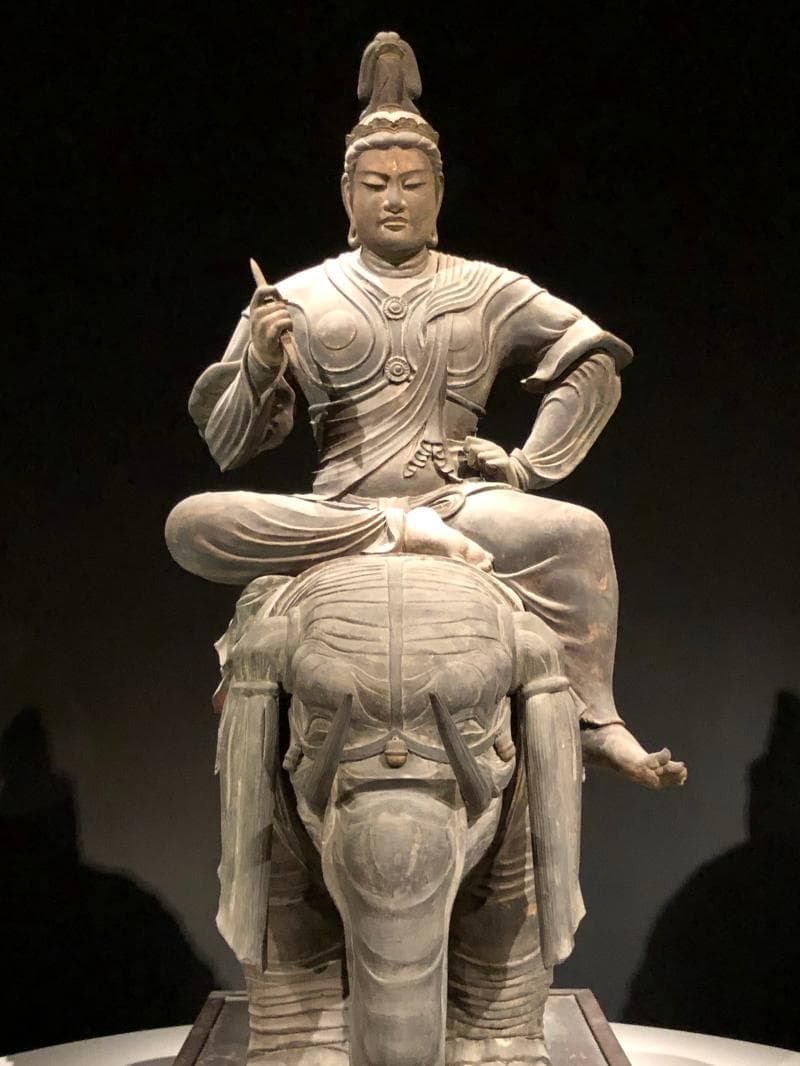
Explore the Tokyo National Museum in Ueno Park, Japan's oldest and largest museum, housing over 120,000 Japanese and Asian cultural treasures.
Overview
Nestled within the sprawling cultural heart of Ueno Park in Tokyo, Japan, the Tokyo National Museum (TNM) stands as the nation's oldest and largest museum. It serves as a monumental guardian of Japan's rich artistic legacy and Asian cultural heritage, inviting visitors on an immersive journey through millennia of history and creativity. This expansive institution showcases an unparalleled collection of artworks, archaeological finds, and cultural treasures, making it a pivotal destination for anyone seeking to understand the profound depths of Japanese and East Asian civilizations.
History & Cultural Background
The Tokyo National Museum's origins trace back to 1872, born from an exhibition held at the Yushima Seido Shrine. This initial showcase featured a diverse array of artistic, historical, scientific, and natural-history objects. Its early success paved the way for its establishment as Japan's first national museum. A decade later, in 1882, the collection found its permanent home in Ueno Park, a site that was being transformed into Tokyo's inaugural public park. Over its long history, the museum has undergone several name changes and shifts in administrative oversight, including a period under the Ministry of the Imperial Household where its focus sharpened on Japan's artistic heritage. The complex itself is a testament to different eras of Japanese architecture, with structures like the elegant, Western-style Hyokeikan building dating back to 1909 and the iconic Honkan (Main Gallery) opening its doors in 1938.
What Makes It Special
What truly sets the Tokyo National Museum apart is its monumental collection and the thoughtful way it is presented. Boasting over 120,000 items, including nearly 90 designated National Treasures and close to 650 Important Cultural Properties, it is an unparalleled repository of cultural wealth. Due to the delicate nature of many artifacts, particularly their susceptibility to UV light and humidity, the museum employs a fascinating system: around 3,000 to 4,000 items are displayed at any given time, with regular rotations occurring up to 300 times a year. This ensures the preservation of these irreplaceable objects while offering visitors a fresh experience with each visit.
- Diverse Exhibition Halls: The museum campus comprises six distinct exhibition buildings, each a significant institution in its own right. These include the Honkan (Japanese Gallery), Toyokan (Asian Gallery), Heiseikan (Japanese Archaeology and Special Exhibition), the Gallery of Horyuji Treasures, Kuroda Memorial Hall, and the Hyokeikan.
- The Japanese Gallery (Honkan): This is often the starting point for visitors, offering a comprehensive overview of Japanese art from ancient Jomon pottery to the Edo period. Here, one can marvel at samurai armor, antique Buddhist statues, intricately painted sliding doors, ceramics, and ukiyo-e woodblock prints. The Honkan also features interactive exhibits that allow for a deeper engagement with Japanese culture.
- The Asian Gallery (Toyokan): Designed by Yoshirō Taniguchi, the Toyokan presents a magnificent array of art and archaeological artifacts from across Asia, including China, Korea, Southeast Asia, Central Asia, India, and even Egypt. It beautifully illustrates the rich cultural exchange and influences that shaped the region.
- The Gallery of Horyuji Treasures: A modern architectural marvel, this building houses a precious collection of over 300 Buddhist artworks from the 7th and 8th centuries, originally donated by the venerable Horyuji Temple in Nara.
- Serene Museum Garden: Beyond the exhibition halls, a traditional Japanese garden with five historic teahouses provides a tranquil oasis, offering a space for reflection and a glimpse into Japan's tea ceremony culture, especially when open seasonally.
Stories, Fun Facts & Local Details
The Tokyo National Museum is not just a collection of objects; it's a treasure trove of stories. Imagine touching a replica of samurai armor, understanding its intricate design for both protection and mobility, or tracing the delicate brushstrokes of an ukiyo-e print that captures the bustling life of Edo-period commoners. The museum's seasonal rotation of exhibits also extends to its stunning kimono collection, ensuring that a visit in any season reveals new textile masterpieces. Furthermore, a visit might offer a unique insight into the museum's crucial role in preserving cultural heritage, with rooms sometimes dedicated to explaining conservation and restoration techniques. It's a rare opportunity to see the meticulous care that goes into safeguarding these treasures for future generations. You might even encounter an artifact with a poignant history, such as a Ninsei pot famously broken during the Great Kanto Earthquake of 1923, offering a tangible link to Japan's past challenges.
Visitor Perspective
Located conveniently within Ueno Park, the Tokyo National Museum is easily accessible, typically a 10-15 minute walk from Ueno Station (served by JR lines, Tokyo Metro, and Keisei Electric Railway). To truly appreciate the vastness and depth of its collections, dedicating a full day to the museum is highly recommended, as its multiple buildings and extensive displays warrant ample time for exploration. For an optimal experience, many suggest starting your journey on the second floor of the Honkan to follow the chronological narrative of Japanese art before delving into the genre-specific exhibits on the first floor. The museum caters to international visitors with English information panels and audio guides, enhancing the understanding of its profound exhibits. While typically closed on Mondays (or the following day if Monday is a national holiday) and during the New Year period, it's always wise to check their official website for the most current operating hours and special exhibition schedules.
Coordinates: 139.7764, 35.7189
View on Google Maps💬 How Travelers Describe This Place
Based on community votes
Beautiful
836Interesting
795Must See
620Unique
522Photogenic
489
Traveler Stories
Discover memorable experiences shared by travelers who have visited this place.
No traveler stories yet.
Be the first traveler to share what made this place memorable.

Tour
By
Spot
Discover amazing places around the world. Your journey starts here.
Explore
© 2026 TourBySpot. All rights reserved.