Tiergarten Edge
Berlin, Germany
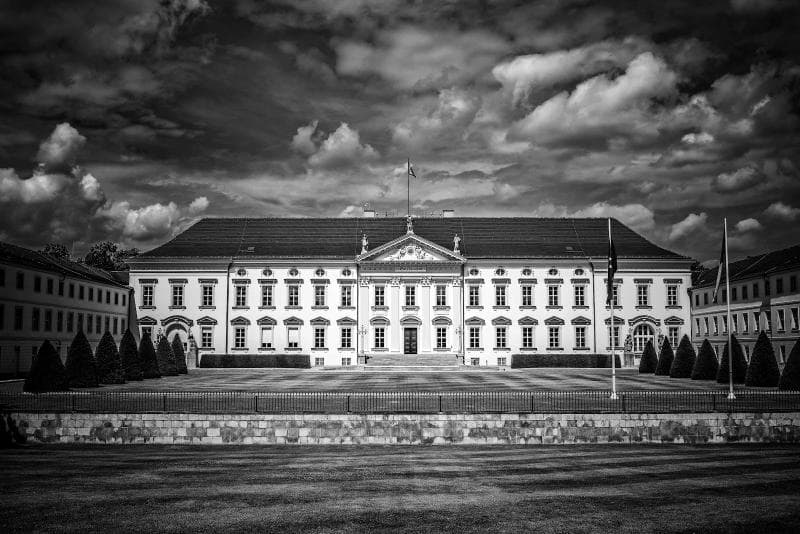
Explore the Tiergarten Edge, where Berlin's iconic Brandenburg Gate meets the sprawling Tiergarten park. Discover history, culture, and nature in Germany's capital.
Overview
At the heart of Berlin, where monumental history meets verdant tranquility, lies the area often thought of as the 'Tiergarten Edge.' This unique sub-spot is not a distinct, named landmark itself, but rather the seamless and significant intersection of the iconic Brandenburg Gate and the vast urban oasis of Tiergarten park. It represents a pivotal point where centuries of Prussian grandeur, wartime struggles, and modern-day unity converge with nature's enduring calm. As a visitor, you step from the bustling Pariser Platz directly through the grand neoclassical arches of the Brandenburg Gate, and immediately find yourself on the fringes of Berlin's 'green lung,' the Großer Tiergarten. This transition offers a profound sense of shifting from the weight of human history to the soothing embrace of the natural world.
History & Cultural Background
The narratives of the Brandenburg Gate and the Tiergarten are deeply intertwined. The Tiergarten's origins date back to 1527, when it was established as a royal hunting ground for the Elector of Brandenburg, filled with wild boar and deer. Over centuries, it transformed from a private royal preserve into a public pleasure garden. Frederick the Great opened the first public gardens in 1740, and by the 19th century, Prussia's leading landscape gardener, Peter Joseph Lenné, redesigned much of the park in the English style.
The Brandenburg Gate, on the other hand, was constructed between 1788 and 1791, designed by Carl Gotthard Langhans for King Frederick William II of Prussia. Inspired by the monumental gateway to the Acropolis in Athens, it was initially named the 'Peace Gate' (Friedenstor), intended to symbolize peaceful intentions. Interestingly, an earlier, humbler collection of pylons at this very location was known as the 'Tiergarten Tor,' due to its proximity to the park. In 1793, the gate was crowned with the Quadriga statue, depicting the goddess Victoria driving a chariot.
This location has borne witness to immense historical upheaval. During the Napoleonic Wars, Napoleon famously took the Quadriga to Paris in 1806 as a trophy, though it was later returned. In the 20th century, the Tiergarten suffered severe damage during World War II, with much of its tree cover being cut down for fuel by Berliners in the harsh winter of 1945/46. The park was extensively replanted from 1949 onwards. During the Cold War, the Brandenburg Gate stood as a stark symbol of Berlin's division, with the Berlin Wall obstructing access, yet it became the poignant backdrop for calls for freedom, ultimately symbolizing reunification in 1990.
What Makes It Special
The special allure of the Tiergarten Edge lies in its powerful duality. Here, you experience the stoic grandeur of the Brandenburg Gate, a neoclassical masterpiece that has overseen centuries of German history, juxtaposed with the living, breathing expanse of the Tiergarten. This is where history is not just observed but felt, a palpable sense of the past mingling with the vibrant present. The Gate's intricate sculptures and its iconic Quadriga speak of power, victory, and peace. Meanwhile, the park offers an immediate escape, a natural canvas against which these historical narratives unfold. It's a place where you can touch the cool sandstone of the Gate, then, with just a few steps, be immersed in a landscape designed for respite and reflection, making it a truly unique urban experience.
Stories, Fun Facts & Local Details
The Quadriga atop the Brandenburg Gate, depicting Victoria, the Roman goddess of victory, has a fascinating tale. After its theft by Napoleon, its return was a moment of immense national pride for Germany. For decades during the Cold War, the Gate was largely inaccessible, standing in a 'dead zone,' yet it was here that President Ronald Reagan delivered his famous 'Tear Down This Wall' speech in 1987, a stone's throw from the Tiergarten. The park itself, often called Berlin's 'green lung,' is larger than London's Hyde Park. It's not just a beautiful space but a repository of memory, housing memorials such as the Soviet War Memorial and others dedicated to victims of the Nazi regime. Today, the area around the Brandenburg Gate and the Tiergarten Edge serves as a popular gathering spot for major public events, including the annual New Year's Eve celebrations and the finish line for the Berlin Marathon, embodying a spirit of community and celebration.
Visitor Perspective
Approaching the Tiergarten Edge from Pariser Platz is an experience that awakens the senses. The sheer scale and architectural elegance of the Brandenburg Gate captivate first, inviting you to pass beneath its arches. As you emerge on the western side, the expansive green vista of the Tiergarten unfolds. This transition is immediate and striking – from monumental stone to rustling leaves, from the echoes of history to the gentle sounds of nature. You can wander along tree-lined paths, cycle through quiet avenues, or simply find a bench to observe Berliners enjoying their city's largest park. The eastern edge of the Tiergarten, adjacent to the Gate, is particularly vibrant and easily accessible, making it a perfect spot for a leisurely stroll after soaking in the history of the Gate. It's a place that encourages both quiet contemplation of the past and joyful participation in the present, offering a tranquil yet profound counterpoint to the vibrant energy of the city center. Whether seeking historical insight or simply a moment of peace, the Tiergarten Edge delivers a memorable Berlin encounter.
Coordinates: 13.3777, 52.5163
View on Google Maps💬 How Travelers Describe This Place
Based on community votes
Interesting
981Photogenic
617Beautiful
565Must See
157Unique
28
Traveler Stories
Discover memorable experiences shared by travelers who have visited this place.
No traveler stories yet.
Be the first traveler to share what made this place memorable.

Tour
By
Spot
Discover amazing places around the world. Your journey starts here.
Explore
© 2026 TourBySpot. All rights reserved.