Tianzifang
Shanghai, China
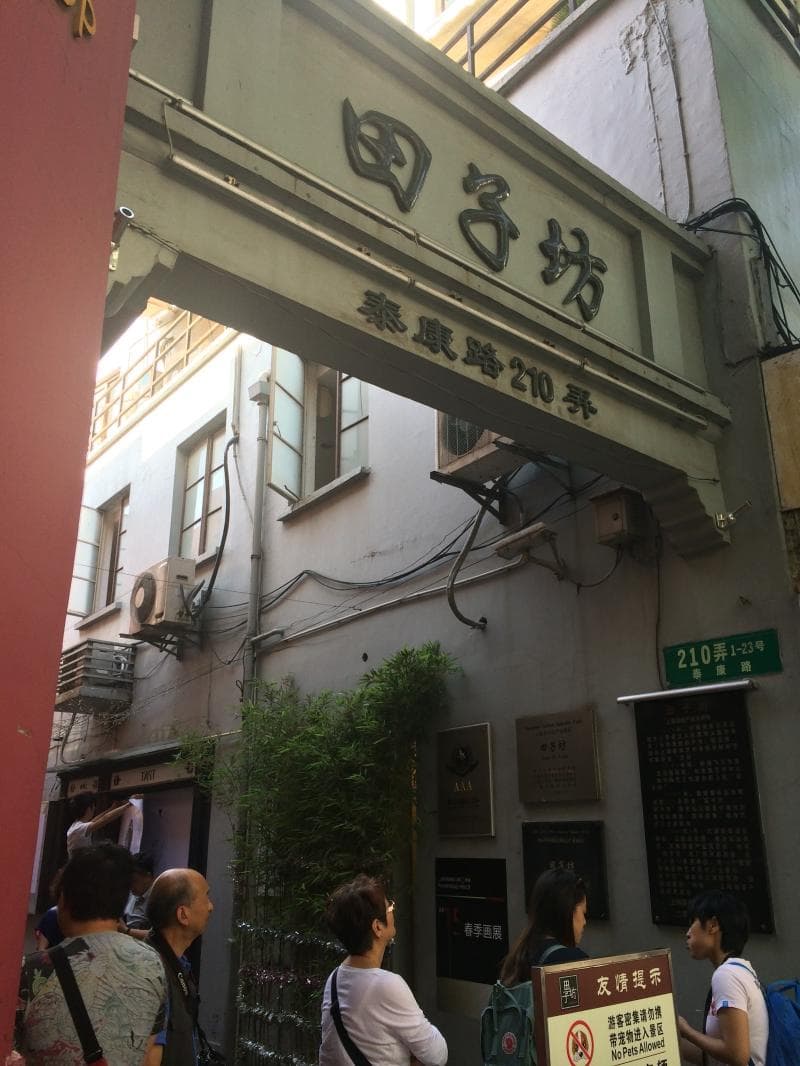
Discover Tianzifang in Shanghai, China – a unique arts and crafts enclave blending historic Shikumen architecture with modern studios and cafes.
Overview
Nestled within the former French Concession, Tianzifang in Shanghai, China, is a vibrant arts and crafts enclave that offers a captivating journey into a unique blend of old and new Shanghai. Originally a traditional residential area, this labyrinthine network of narrow alleyways has transformed into a bustling district renowned for its creative studios, boutique shops, cozy cafes, and distinctive architecture. Unlike some other renovated historical areas, Tianzifang has maintained an authentic charm, with many original residents still calling its lanes home, creating a 'living alley' atmosphere where daily life unfolds alongside artistic expression.
Visitors can explore a maze of alleys (also known as 'lilong') filled with an eclectic mix of offerings, from unique handmade goods and art galleries to charming eateries. It's a place where the past and present converge, showcasing Shanghai's rich cultural heritage through its well-preserved Shikumen architecture, which stands as a testament to the city's eventful history.
History & Cultural Background
Tianzifang's story began in the 1930s as a residential complex known as 'Zhichengfang,' built during the French Concession expansion. These were typical Shikumen lane houses, characterized by their stone-gate entrances, reflecting a unique fusion of Chinese and Western architectural styles. For decades, it remained an ordinary residential neighborhood.
A significant turning point occurred in 1998 when renowned contemporary artist Chen Yifei took over two abandoned factory buildings within Lane 210, Taikang Road, converting them into his art studios. This move attracted other artists, and soon, the area began to flourish as an artistic hub. The name 'Tianzifang' itself was coined in 2002 by painter Huang Yongyu, who renamed the precinct as a playful homage to Tian Zifang, an ancient Chinese artist and philosopher from the Warring States period, signifying the area's burgeoning artistic spirit. This transformation was organic, driven by artists and locals, allowing the original architecture and community to largely remain intact, distinguishing it from other commercial developments in Shanghai.
What Makes It Special
What sets Tianzifang apart is its captivating authenticity and its 'bottom-up' approach to urban renewal. While many historical areas in Shanghai have undergone extensive demolition and reconstruction, Tianzifang has largely preserved its original Shikumen buildings and narrow alleyways. This means that amidst the vibrant shops and studios, you can still observe the daily lives of residents, with laundry hanging overhead and local chatter echoing through the lanes.
The area is a treasure trove for those seeking unique finds, housing over 200 diverse small businesses, including art galleries, craft shops, design studios, cafes, and restaurants. It's a haven for creativity, attracting both local and international artists who showcase their work, from pottery and painting to fashion and unique handmade items. This blend of residential life with a thriving artistic and commercial scene creates a dynamic and immersive cultural experience that is genuinely Shanghainese.
Stories, Fun Facts & Local Details
The name 'Tianzifang' was specifically chosen to honor Tian Zifang, an early recorded Chinese artist, bestowing an artistic legacy upon the district from its very renaming. The transformation of what was once an industrial area, housing small factories and handicraft workshops, into a thriving artistic quarter speaks to the resilience and adaptability of Shanghai's urban landscape.
One of the most charming aspects is the continued presence of original residents. You might see elderly locals playing cards, watering plants, or simply observing the comings and goings from their doorsteps, creating a fascinating contrast with the trendy boutiques and cafes. This co-existence is a powerful example of community-led preservation, earning Tianzifang recognition as a reference case for sustainable urban development.
Often dubbed the 'SOHO of Shanghai,' Tianzifang's evolution from a residential area to a creative hub, while retaining its traditional structure, embodies a spirit of innovation without sacrificing heritage. Its narrow, winding alleys ensure that every turn can reveal a new surprise, a hidden courtyard, or an unexpected piece of art.
Visitor Perspective
Exploring Tianzifang is an adventure for the senses. The best way to experience it is to simply wander, allowing the maze-like alleys to guide you. It's not a place for a strict itinerary but rather for spontaneous discovery. You can spend hours browsing for one-of-a-kind souvenirs, from traditional Chinese crafts and vintage memorabilia to contemporary art pieces and bespoke jewelry.
Food enthusiasts will delight in the array of options, from local street snacks like grilled squid and sweet tofu pudding to international cuisines offered in charming cafes and bars. Many visitors enjoy sipping coffee or tea in a quaint courtyard, soaking in the unique atmosphere. Tianzifang is also an excellent spot for photography, with its distinctive architecture, colorful murals, and candid street scenes providing endless opportunities to capture the essence of old Shanghai merging with modern artistry.
To fully appreciate its charm and avoid the largest crowds, a weekday visit, particularly in the morning or late afternoon, is often recommended. This allows for a more relaxed exploration of its artistic treasures and a deeper connection with the local life that continues to thrive within its historic lanes.
Coordinates: 121.46404, 31.210272
View on Google Maps💬 How Travelers Describe This Place
Based on community votes
Photogenic
886Unique
443Beautiful
310Must See
277Interesting
233
Traveler Stories
Discover memorable experiences shared by travelers who have visited this place.
No traveler stories yet.
Be the first traveler to share what made this place memorable.
Things to see at Tianzifang



Tour
By
Spot
Discover amazing places around the world. Your journey starts here.
Explore
© 2026 TourBySpot. All rights reserved.