Shikumen Lanes
Shanghai, China
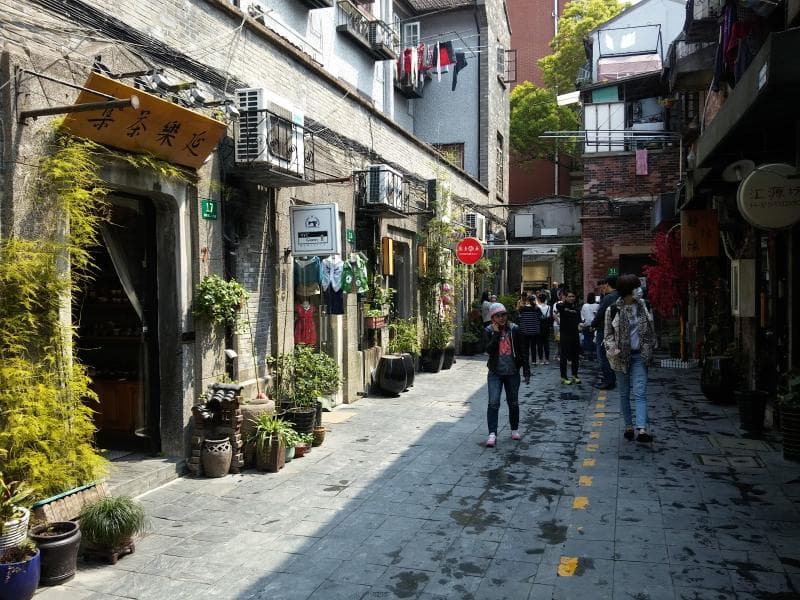
Explore Shikumen Lanes in Tianzifang, Shanghai, China – a historic arts and crafts enclave showcasing unique East-meets-West architecture.
Overview
Tucked away in the former French Concession of Shanghai, China, the Shikumen Lanes within Tianzifang offer a captivating journey into the city's unique architectural and cultural heritage. This labyrinthine area, characterized by its distinctive Shikumen-style buildings, has transformed from a traditional residential neighborhood into a vibrant arts and crafts enclave. Visitors discover a blend of old-world charm and modern creativity, where narrow alleyways invite exploration and every corner reveals a story of Shanghai's past and present. Tianzifang stands as a testament to successful urban renewal, preserving its authentic character while fostering a dynamic community of artists, shopkeepers, and residents.
History & Cultural Background
The origins of Shikumen architecture date back to the mid-19th century. During a period of significant conflict and uprising, an influx of refugees sought shelter in Shanghai's concession areas, creating an urgent demand for housing. Shikumen, meaning 'stone warehouse gate', emerged as an innovative solution, blending traditional Jiangnan-style residences with Western terraced house designs. These two or three-story brick and wooden structures were built with compact layouts, featuring high brick walls that enclosed a narrow front yard, and notably, a strong stone gate for security. They were organized into `longtang` or `lilong`, which are lane neighborhoods, fostering a close-knit community life.
Initially known as 'Zhichengfang' when built in the 1930s, the area we now call Tianzifang underwent a significant transformation starting in the late 1990s. Artist Chen Yifei was instrumental in this change, converting abandoned factory buildings into art studios. Subsequently, other artists, both local and international, moved into the area, drawn by its unique atmosphere and relatively low rents. The painter Huang Yongyu renamed the area 'Tianzifang' in honor of Tian Zifang, an ancient Chinese painter and philosopher, cementing its identity as a creative hub.
What Makes It Special
What sets the Shikumen Lanes of Tianzifang apart is their remarkable blend of historical preservation and contemporary artistic expression. Unlike some other heritage sites that have been extensively rebuilt, Tianzifang's Shikumen largely retain their original integrity, showcasing chipped bricks, patched plaster, and iron balconies that bear the marks of generations. The architecture itself is a cultural fusion, exhibiting unpainted brick walls, tiled roofs, and often intricate carvings on wooden doors and stone lintels, depicting motifs like plum blossoms or phoenixes. Today, these historic structures house an eclectic mix of art galleries, design studios, quirky boutiques, cozy cafes, and international restaurants. This dynamic environment provides a vivid contrast between the traditional residential architecture and the vibrant artistic and commercial activities it now supports, creating a truly unique urban experience in Shanghai.
Stories, Fun Facts & Local Details
The Shikumen houses were once home to a significant portion of Shanghai's population, with some estimates suggesting they comprised 60-75% of the city's housing stock in their heyday. Life in these lanes was intimately communal, leading to the Shanghainese expression '72 tenants', reflecting the crowded yet interconnected living arrangements where families shared kitchens and neighbors were an integral part of daily life. Imagine the sounds of mahjong echoing through open windows, the aroma of cooking rice drifting from shared kitchens, and laundry swaying overhead in the narrow alleys. Visitors can still observe these subtle details, offering glimpses into the authentic local life that continues amidst the bustling shops. Tianzifang itself has been recognized for its unique development model, being cited by the UN-Habitat as a reference case for 'bottom-up old city renewal and inclusive entrepreneurship'. The area's success is a testament to the community's collective effort to protect its heritage against demolition, transforming it into a cherished cultural landmark.
Visitor Perspective
For the curious traveler, exploring the Shikumen Lanes of Tianzifang is an immersive experience akin to wandering through a living museum. The charm lies in getting 'lost' within its maze-like alleyways, discovering hidden courtyards, and stumbling upon unexpected treasures. It's a place to linger over a cup of coffee in a quaint cafe, browse unique handmade souvenirs, or admire the works of local artists in their studios. From traditional Shanghainese snacks to a variety of international cuisines, the food options cater to diverse palates. To truly appreciate the atmosphere and avoid the larger crowds, an early morning or late afternoon visit is often recommended. Tianzifang offers a peaceful respite from Shanghai's towering skyscrapers, allowing visitors to connect with the city's soul and experience a harmonious blend of historical depth and vibrant contemporary culture.
Coordinates: 121.46404, 31.210272
View on Google Maps💬 How Travelers Describe This Place
Based on community votes
Must See
886Beautiful
564Unique
201Interesting
121Photogenic
87
Traveler Stories
Discover memorable experiences shared by travelers who have visited this place.
No traveler stories yet.
Be the first traveler to share what made this place memorable.

Tour
By
Spot
Discover amazing places around the world. Your journey starts here.
Explore
© 2026 TourBySpot. All rights reserved.