Theatre Of Dionysus
Athens, Greece
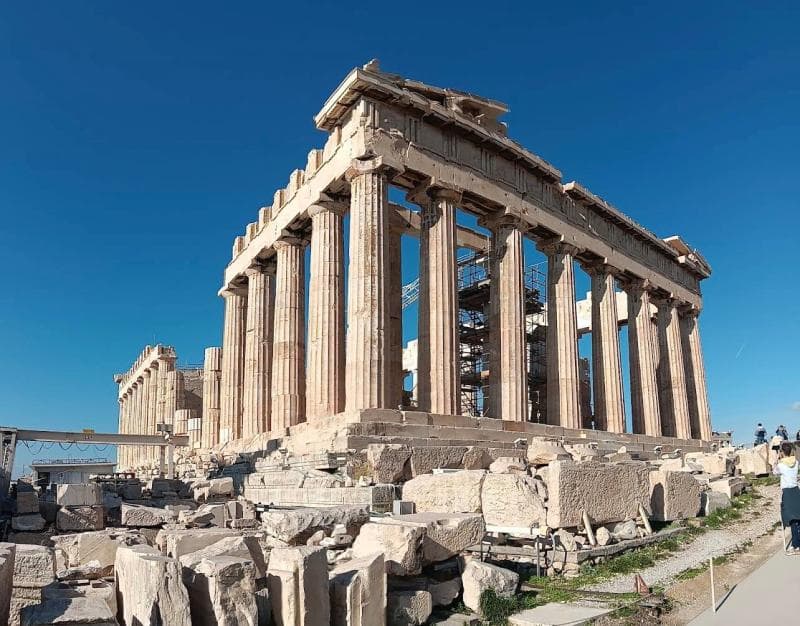
Explore the Theatre of Dionysus in Athens, Greece, the ancient birthplace of Western drama on the Acropolis slope, where timeless plays premiered.
Overview
Nestled on the southeastern slope of the magnificent Acropolis in Athens, Greece, lies the Theatre of Dionysus Eleuthereus. This ancient site is not merely a collection of ruins, but the very birthplace of Western drama and theatrical performance. Dedicated to Dionysus, the Greek god of wine, revelry, and theatre, it served as the principal venue for the famed City Dionysia festivals, where masterpieces of tragedy and comedy first graced the stage. Today, while it stands as an archaeological site rather than an active performance venue, its enduring presence invites visitors to step back in time and imagine the genesis of an art form that continues to shape global culture.
History & Cultural Background
The story of the Theatre of Dionysus begins in the 6th century BC, evolving from a simple wooden structure into a grand stone amphitheater. The cult of Dionysus was introduced to Attica in the Archaic period, and early dramatic performances, known as dithyrambs, were held in his honor. Initially, these took place in the Agora, where accounts suggest temporary wooden bleachers sometimes collapsed, prompting the relocation of performances to the sanctuary of Dionysus on the Acropolis slope.
By the 5th century BC, the theatre was firmly established as the heart of Athenian drama. It was here that the works of legendary playwrights such as Aeschylus, Sophocles, Euripides, and Aristophanes premiered, shaping the very foundations of Western theatrical tradition. During the mid-4th century BC, under the guidance of Lycurgus, the theatre underwent a significant transformation, being rebuilt with raked tiers of stone seats that could accommodate an estimated 15,000 to 17,000 spectators. The theatre remained in continuous use through the Roman period, undergoing further alterations, including a raised stage under Emperor Nero around 61 AD. It eventually fell into disuse and decay during the Byzantine era, only to be rediscovered and extensively excavated in the 19th century.
What Makes It Special
The Theatre of Dionysus holds the unparalleled distinction of being considered the world's oldest theatre and the prototype for all subsequent Greek theatres. Its design, utilizing the natural slope of the Acropolis hill, established a model for classical Greek amphitheatres with its semi-circular seating area (the 'theatron'), a circular performing space for the chorus (the 'orchestra'), and a stage building (the 'skene'). The orchestra, a circular floor of earth, originally featured an altar at its center. In its prime, the theatre boasted elaborate front-row seats—67 marble VIP thrones with carved legs and armrests, each inscribed with the name of the dignitary for whom it was reserved, including a special seat for the priest of Dionysus Eleuthereus.
Its monumental capacity, capable of hosting tens of thousands, speaks to the immense cultural importance of drama in ancient Athenian society, serving not just as entertainment but as a civic and religious event tied to Athens' democracy and festivals.
Stories, Fun Facts & Local Details
A fascinating detail from its early days recounts the collapse of wooden bleachers during a performance in the Agora, a disaster that likely spurred the construction of a more permanent venue on the Acropolis. During the Roman period, the theatre's versatility was showcased as the orchestra area was sometimes flooded to simulate spectacular sea battles, a practice known as 'naumachia'. Stone reliefs on the stage depict scenes from the life of Dionysus, serving as a constant reminder of the god to whom the theatre was dedicated. The identification of the site in the late 19th century was significantly aided by British military officer and coin collector W.M. Leake, whose claim was supported by an Athenian coin from the 3rd century CE depicting monuments on the Acropolis' southern slope.
Visitor Perspective
Visiting the Theatre of Dionysus today offers a profound connection to the origins of dramatic art. As you walk across the ancient marble tiers and the circular orchestra, you can almost hear the echoes of performances from millennia past. Approximately 20 of its original seating rows and some of the marble VIP thrones are still preserved, allowing a tangible sense of its former grandeur. While it is not an active performance venue, the sheer scale and historical significance of the ruins are powerful. The Theatre of Dionysus is an integral part of the Acropolis archaeological area; entrance is included with your Acropolis ticket. Allow about 30 to 45 minutes to explore this specific site, taking time to appreciate its design and construction, and reflecting on how the dramas performed here helped shape ancient Athenian values and morality.
Coordinates: 23.7275, 37.97059
View on Google Maps💬 How Travelers Describe This Place
Based on community votes
Interesting
618Unique
449Must See
335Photogenic
308Beautiful
22
Traveler Stories
Discover memorable experiences shared by travelers who have visited this place.
No traveler stories yet.
Be the first traveler to share what made this place memorable.

Tour
By
Spot
Discover amazing places around the world. Your journey starts here.
Explore
© 2026 TourBySpot. All rights reserved.