The State Rooms
London, United Kingdom
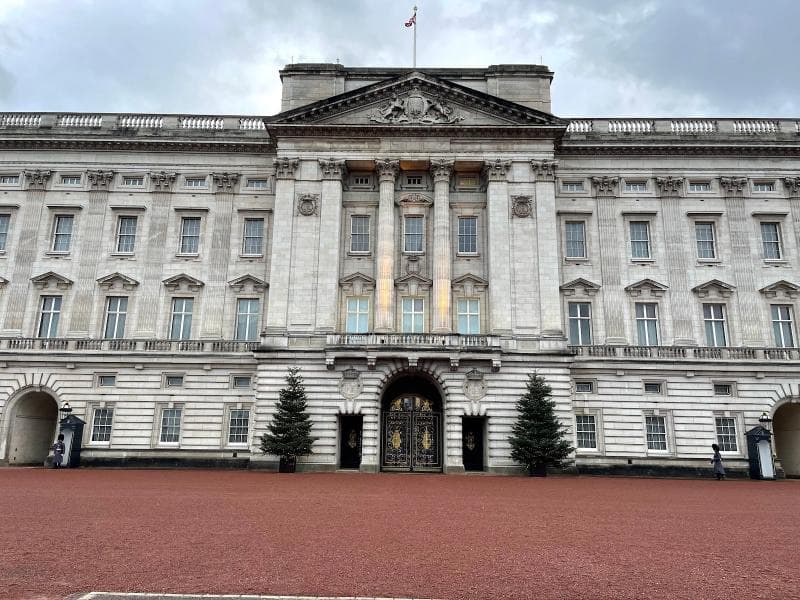

Explore the opulent State Rooms of Buckingham Palace in London, UK. Discover royal history, priceless art, and ceremonial spaces.
Overview
Nestled within the iconic Buckingham Palace in London, the State Rooms represent the ceremonial heart of the British monarchy. These nineteen magnificent rooms are not merely decorative spaces but are actively used by the Royal Family for official and state functions, including welcoming visiting Heads of State, holding investitures, and hosting grand banquets and receptions. Annually, over 50,000 guests attend various events within the palace, making it a vibrant center of royal life. While Buckingham Palace serves as a working royal residence, its State Rooms open their opulent doors to the public during the summer months, offering a unique opportunity to glimpse the grandeur and elegance that define British royalty.
Visitors can explore these lavish chambers, which are adorned with exquisite art, opulent furnishings, and stunning chandeliers, providing a fascinating insight into centuries of history and tradition. Each room possesses its own distinct design features and precious objects, many of which are still in use, lending to the experience of a 'living museum'.
History & Cultural Background
The history of the State Rooms dates back to the early 19th century when King George IV initiated the transformation of Buckingham House into a grand palace. Architect John Nash was instrumental in envisioning a series of opulent rooms suitable for royal ceremonies and entertaining. This ambitious project, though initially over budget, laid the foundation for the palace we recognize today. Buckingham Palace officially became the London residence of the British monarch upon Queen Victoria's accession in 1837. The palace has since been the setting for countless significant events, from intimate family gatherings to sumptuous state banquets.
Notable historical moments include Queen Victoria hosting concerts and balls in the Ballroom and Throne Room, with performances by world-class musicians. The Ballroom itself was completed in 1855 during Queen Victoria's reign and remains a key venue for state banquets and investiture ceremonies. The State Rooms have witnessed royal christenings, such as those of King Charles III, Princess Anne, Prince Andrew, and Prince William, which took place in the Music Room.
What Makes It Special
What truly sets the State Rooms apart is their unparalleled display of royal splendor and priceless art. These rooms showcase some of the finest treasures from the Royal Collection, including masterpieces by renowned artists like Van Dyck, Rembrandt, Rubens, and Canaletto. The collection of artworks is rotated, meaning repeat visitors might discover different pieces on display.
Upon entering, visitors are greeted by the magnificent Grand Staircase, designed by John Nash, which immediately conveys the scale and grandeur of the palace. The Throne Room is iconic, featuring gilded thrones beneath a crimson canopy, used for official portraits and royal wedding photos. The Ballroom, the largest room in the palace, measures an impressive 36.6 meters long, 18 meters wide, and 13.5 meters high, boasting six enormous chandeliers and a majestic pipe organ. The Picture Gallery, a 47-meter top-lit space, displays a rotating collection of Old Masters, its design ensuring optimal natural light for the artworks. The White Drawing Room, often used for private audiences and small receptions, is notable for its French-inspired décor and a fascinating secret door, disguised as a mirror or cabinet, allowing the Royal Family discreet access from their private apartments.
Stories, Fun Facts & Local Details
Buckingham Palace is a repository of intriguing stories and little-known facts. For instance, in the early 19th century, a boy named Edward Jones famously broke into the palace multiple times, even reportedly sitting on the Queen's throne. The palace itself is vast, comprising 775 rooms in total, including 19 State Rooms, 52 royal and guest bedrooms, 188 staff bedrooms, 92 offices, and 78 bathrooms.
The palace's 40-acre garden, the largest private garden in London, features a lake, tennis courts, and even a helicopter landing pad. While royalty is on holiday, visitors during the summer months can tell if the monarch is in residence by looking at the flag: a Union Flag indicates absence, while the Royal Standard signifies presence. The Ballroom was also the first room in the palace to have electricity installed in 1883. The State Dining Room on the west side of the palace features a highly polished mahogany table that reflects the ornate ceiling.
Visitor Perspective
A visit to the State Rooms typically lasts between two to two and a half hours, with a self-guided tour enhanced by a complimentary multimedia guide available in multiple languages. These audio guides, often narrated by senior curators, enrich the experience by providing detailed insights into the history and contents of each room. Visitors are advised to book tickets in advance due to high demand, especially during the summer opening, which usually runs from July to September.
Security measures are similar to airport procedures, and only small bags are permitted inside, with larger bags needing to be checked. Photography and filming are strictly prohibited within the State Rooms, though it is allowed in the gardens. The tour concludes with a walk through a portion of the palace gardens, offering panoramic views and a different perspective of the palace's exterior.
Coordinates: -0.142, 51.501
View on Google Maps💬 How Travelers Describe This Place
Based on community votes
Interesting
826Beautiful
800Unique
387Photogenic
242Must See
90
Traveler Stories
Discover memorable experiences shared by travelers who have visited this place.
No traveler stories yet.
Be the first traveler to share what made this place memorable.

Tour
By
Spot
Discover amazing places around the world. Your journey starts here.
Explore
© 2026 TourBySpot. All rights reserved.